
Hestia facts for kids
Quick facts for kids Hestia |
|
|---|---|
| Goddess of the domestic and civic hearth, the home, sacred and sacrificial fire, family, and the state | |
| Member of the Twelve Olympians | |

The Giustiniani Hestia
|
|
| Abode | Delphi and Mount Olympus |
| Animals | Pig |
| Symbol | The hearth and its fire |
| Personal information | |
| Parents | Cronus and Rhea |
| Siblings | Demeter, Hera, Hades, Poseidon, Zeus |
| Roman equivalent | Vesta |
In ancient Greek religion and mythology, Hestia is the goddess of the hearth, the fireplace, and the home. Her name comes from a Greek word that means "hearth" or "fireplace." She was the first child born to the Titans Cronus and Rhea. She is one of the Twelve Olympians, the major gods who lived on Mount Olympus.
According to the myths, Hestia's father, Cronus, was afraid that his children would take his power. Because of this fear, he swallowed Hestia and her siblings as soon as they were born. Eventually, her youngest brother, Zeus, tricked Cronus and saved them. Hestia is considered both the oldest and the youngest sibling because she was born first but was the last one to be released by her father.
Hestia was very important to family life. She looked after the fire that burned in the center of every home. She was a peaceful goddess who chose never to marry. Instead, she focused on tending the sacred fire on Mount Olympus. The Romans had a similar goddess named Vesta.
Contents
The Meaning of Hestia's Name
The name Hestia simply means "hearth" or "fireplace." In ancient times, the hearth was the center of the house. It was where families cooked food, kept warm, and made offerings to the gods. Because the fire was so important for survival, Hestia became the symbol of the home and family life.
Ancient Greek towns also had a public hearth, usually in a building called the prytaneum. This was like a town hall. The fire there was never allowed to go out. If people went to build a new city, they would carry fire from the old city's hearth to start the new one. This showed that the new city was connected to its "mother" city.
Stories About Hestia
Hestia's Birth and Family
Hestia belonged to the first generation of Olympian gods. Her parents were the Titans Rhea and Cronus. She had five siblings: Demeter, Hades, Hera, Poseidon, and Zeus.
When the children were born, their father Cronus swallowed them whole. He did this because a prophecy said one of his children would overthrow him. Hestia was the first to be swallowed. Years later, Zeus forced Cronus to spit them back out. Since Hestia was the first in and the last out, the Greeks sometimes called her both the eldest and the youngest daughter.
After they were free, the siblings fought a great war against the Titans. They won and became the new rulers of the world.
The Goddess Who Chose Peace
Hestia was known for being calm and peaceful. Two powerful gods, Poseidon (god of the sea) and Apollo (god of the sun and music), wanted to marry her. However, Hestia did not want to get married. She went to Zeus and made a serious promise to remain single forever.
Zeus respected her choice. He gave her a special honor instead of marriage. She would sit in the center of the house and receive the best parts of the offerings made by humans. She became the keeper of the eternal flame on Mount Olympus.
Hestia in Art and Myths
_-_2022-03-23_-_22.jpg)
Unlike other gods who had many exciting adventures, Hestia stayed close to home. She rarely left Olympus because she had to tend the fire. If the fire went out, it was considered very bad luck. Because she stayed home, there are not many stories about her traveling or fighting monsters.
In art, Hestia is usually shown as a modest woman wearing a veil. She might be holding a staff or standing by a large fire. She is often seated on a plain wooden throne with a white wool cushion.
How People Worshipped Hestia

Hestia was honored in every Greek household. Before a family ate a meal, they would offer a small part of it to the fire as a gift to her. This was a way of saying thank you for the warmth and food.
Public Worship
Hestia was also important to the government. Every city had a sacred fire dedicated to her. The leaders of the city, called magistrates, would often eat their meals together near this fire.
If the public fire went out by accident, it was seen as a failure of duty. The people would have to relight it using a special ritual to make it pure again.

There were not many separate temples just for Hestia because every hearth was considered her shrine. However, she did have some special places. For example, in the city of Sparta, there was a sanctuary for her. In Athens, a part of the theater was reserved for her priestesses.
Roman Equivalent: Vesta

The Romans worshipped a goddess very similar to Hestia named Vesta. Vesta was also the goddess of the hearth fire. In Rome, there was a group of priestesses called the Vestal Virgins. Their main job was to keep the sacred fire of Rome burning. If they let the fire go out, they would be punished severely.
Hymns and Prayers
Ancient poets wrote songs, called hymns, to honor Hestia. One famous hymn invites Hestia to enter the home and bring good luck. It says:
"Hestia, in the high dwellings of all, both deathless gods and men who walk on earth, you have gained an everlasting abode and highest honor... For without you mortals hold no banquet."
This shows that people believed a feast could not happen properly without honoring Hestia first.
The Hestia Tapestry

There is a famous piece of art called the Hestia Tapestry. It was made in Egypt a long time ago, around the 6th century. It shows Hestia sitting on a throne, surrounded by people giving her gifts. The writing on it calls her "Hestia full of Blessings."
Hestia's Family Tree
| Hestia's family tree | |||||||||||||||||||||||||||||||||||||||||||||||||||||||||||||||||||||||||||||||||||||||||||||||||||||||||||||||||||||||||||||||||||||||||||||||||||||||||||||||||||||||||||||||||||||||||||||||||||||||||||||||||||||||||||||||||||||||||||||||||||||||||||||||||||||||||||||||||||||||||||||||||||||||||||||||||||||||||||||||||||||||||||||||||||||||||||||||||||||||||||||||||||||||||||||||||||||||||||||||||||||||||||||||||||||||||||||||||||||||||||||||||||||||||||||||||||||||||||||||||||||||||||||||||||||||||||||||||||||||||||||||||||||||||||||||||||||||||||||||||||||||||||||||||||||||||||||||||||||||||||||||||||||||||||||||||||||||||||||||||||||||||||||||||||||||||||||||||||||||||||||||||||||||||||||||||||||||||||||||||||||||||||||||||||||||||||||||||||||||||||||||||||||||||||||||||||||||||||||||||||||||||||||||||||||||||||||||||||||||||||||||||||||||||||||||||||||||||||||||||||||||||||||||||||||||||||||||||||||||||||||||||||||||||||||||||||||||||||||||||||||||||||||||||||||||||||||||||||||||
|---|---|---|---|---|---|---|---|---|---|---|---|---|---|---|---|---|---|---|---|---|---|---|---|---|---|---|---|---|---|---|---|---|---|---|---|---|---|---|---|---|---|---|---|---|---|---|---|---|---|---|---|---|---|---|---|---|---|---|---|---|---|---|---|---|---|---|---|---|---|---|---|---|---|---|---|---|---|---|---|---|---|---|---|---|---|---|---|---|---|---|---|---|---|---|---|---|---|---|---|---|---|---|---|---|---|---|---|---|---|---|---|---|---|---|---|---|---|---|---|---|---|---|---|---|---|---|---|---|---|---|---|---|---|---|---|---|---|---|---|---|---|---|---|---|---|---|---|---|---|---|---|---|---|---|---|---|---|---|---|---|---|---|---|---|---|---|---|---|---|---|---|---|---|---|---|---|---|---|---|---|---|---|---|---|---|---|---|---|---|---|---|---|---|---|---|---|---|---|---|---|---|---|---|---|---|---|---|---|---|---|---|---|---|---|---|---|---|---|---|---|---|---|---|---|---|---|---|---|---|---|---|---|---|---|---|---|---|---|---|---|---|---|---|---|---|---|---|---|---|---|---|---|---|---|---|---|---|---|---|---|---|---|---|---|---|---|---|---|---|---|---|---|---|---|---|---|---|---|---|---|---|---|---|---|---|---|---|---|---|---|---|---|---|---|---|---|---|---|---|---|---|---|---|---|---|---|---|---|---|---|---|---|---|---|---|---|---|---|---|---|---|---|---|---|---|---|---|---|---|---|---|---|---|---|---|---|---|---|---|---|---|---|---|---|---|---|---|---|---|---|---|---|---|---|---|---|---|---|---|---|---|---|---|---|---|---|---|---|---|---|---|---|---|---|---|---|---|---|---|---|---|---|---|---|---|---|---|---|---|---|---|---|---|---|---|---|---|---|---|---|---|---|---|---|---|---|---|---|---|---|---|---|---|---|---|---|---|---|---|---|---|---|---|---|---|---|---|---|---|---|---|---|---|---|---|---|---|---|---|---|---|---|---|---|---|---|---|---|---|---|---|---|---|---|---|---|---|---|---|---|---|---|---|---|---|---|---|---|---|---|---|---|---|---|---|---|---|---|---|---|---|---|---|---|---|---|---|---|---|---|---|---|---|---|---|---|---|---|---|---|---|---|---|---|---|---|---|---|---|---|---|---|---|---|---|---|---|---|---|---|---|---|---|---|---|---|---|---|---|---|---|---|---|---|---|---|---|---|---|---|---|---|---|---|---|---|---|---|---|---|---|---|---|---|---|---|---|---|---|---|---|---|---|---|---|---|---|---|---|---|---|---|---|---|---|---|---|---|---|---|---|---|---|---|---|---|---|---|---|---|---|---|---|---|---|---|---|---|---|---|---|---|---|---|---|---|---|---|---|---|---|---|---|---|---|---|---|---|---|---|---|---|---|---|---|---|---|---|---|---|---|---|---|---|---|---|---|---|---|---|---|---|---|---|---|---|---|---|---|---|---|---|---|---|---|---|---|---|---|---|---|---|---|---|---|---|---|---|---|---|---|---|---|---|---|---|---|---|---|---|---|---|---|---|---|---|---|---|---|---|---|---|---|---|---|---|---|---|---|---|---|---|---|---|---|---|---|---|---|---|---|---|---|---|---|---|---|---|---|---|---|---|---|---|---|---|---|---|---|---|---|---|---|---|---|---|---|---|---|---|---|---|---|---|---|---|---|---|---|---|---|---|---|---|---|---|---|---|---|---|---|---|---|---|---|---|---|---|---|---|---|---|---|---|---|---|---|---|---|---|---|---|---|---|---|---|---|---|---|---|---|---|---|---|---|---|---|---|---|---|---|---|---|---|---|---|---|---|---|---|---|---|---|---|---|---|---|---|---|---|---|---|---|---|---|---|---|---|---|---|---|---|---|---|---|---|---|---|---|---|---|---|---|---|---|---|---|---|---|---|---|---|---|---|---|---|---|---|---|---|---|---|---|---|---|---|---|---|---|---|---|---|---|---|---|---|---|---|---|---|---|---|---|---|---|---|---|---|---|---|---|---|---|---|---|---|---|---|---|---|---|---|---|---|---|---|---|---|---|---|---|---|---|---|---|---|---|---|---|---|---|---|---|---|---|---|---|---|---|---|---|---|---|---|---|---|---|---|---|---|---|---|---|---|---|---|---|---|---|---|---|---|---|---|---|---|---|---|---|---|---|---|---|---|---|---|---|---|---|---|---|---|---|---|---|---|---|---|---|---|---|---|---|---|---|---|---|---|---|---|---|---|---|---|---|---|---|---|---|
|
|||||||||||||||||||||||||||||||||||||||||||||||||||||||||||||||||||||||||||||||||||||||||||||||||||||||||||||||||||||||||||||||||||||||||||||||||||||||||||||||||||||||||||||||||||||||||||||||||||||||||||||||||||||||||||||||||||||||||||||||||||||||||||||||||||||||||||||||||||||||||||||||||||||||||||||||||||||||||||||||||||||||||||||||||||||||||||||||||||||||||||||||||||||||||||||||||||||||||||||||||||||||||||||||||||||||||||||||||||||||||||||||||||||||||||||||||||||||||||||||||||||||||||||||||||||||||||||||||||||||||||||||||||||||||||||||||||||||||||||||||||||||||||||||||||||||||||||||||||||||||||||||||||||||||||||||||||||||||||||||||||||||||||||||||||||||||||||||||||||||||||||||||||||||||||||||||||||||||||||||||||||||||||||||||||||||||||||||||||||||||||||||||||||||||||||||||||||||||||||||||||||||||||||||||||||||||||||||||||||||||||||||||||||||||||||||||||||||||||||||||||||||||||||||||||||||||||||||||||||||||||||||||||||||||||||||||||||||||||||||||||||||||||||||||||||||||||||||||||||||
Images for kids
-
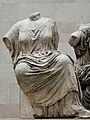
Hestia sculpture from the Parthenon, now in the British Museum.

See also
 In Spanish: Hestia para niños
- Sacred fire of Vesta
- Twelve Olympians
- Greek mythology
- 46 Hestia, an asteroid named after the goddess
