
National Register of Historic Places listings in east Davenport, Iowa facts for kids
Welcome to a special list of amazing historic places in east Davenport, Iowa! These buildings and areas are so important that they've been added to the National Register of Historic Places in the United States. Think of it like a Hall of Fame for old buildings and neighborhoods!
East Davenport is a part of the city located east of Brady Street and north of 5th Street. There are 254 places in all of Davenport on this special list, and 91 of them are right here in East Davenport. Many of these places were added as part of a larger group, called a "multiple property submission" (Davenport MRA), which means they share a common history or style.
Exploring Historic Places in East Davenport
East Davenport is full of fascinating buildings and neighborhoods that tell stories from the past. Let's explore some of them!
Homes with History
Many beautiful old houses in East Davenport are on the National Register. They show us how people lived long ago and the different styles of architecture they loved.
Famous Homes
- Leon Bismark Beiderbecke House: This house at 1934 Grand Avenue was the childhood home of Bix Beiderbecke, a super famous jazz musician! Imagine growing up in a house that later becomes a landmark.

- Alice French House: Located at 321 East 10th Street, this was the home of author Alice French. She wrote many stories under the pen name Octave Thanet. Her home is a great example of the Colonial Revival style.

- Antoine LeClaire House: Built in 1855, this grand Italianate style mansion at 630 East 7th Street belonged to Antoine LeClaire. He was one of the people who helped found and promote the city of Davenport. This house was also home to the first two Catholic bishops of Davenport.

Beautiful Architecture
Many homes show off different architectural styles popular in the past:
- Walker Adams House: This house from around 1875 is a great example of the Italianate style, known for its fancy details and tall windows.
- Edward S. Barrows House: Built around 1850, this home shows the Greek Revival style, which looks a bit like ancient Greek temples.
- William Holbrook House: This house from 1892 features the Shingle Style and Queen Anne style, which often have unique shapes and decorative shingles.

Important Buildings and Districts
It's not just houses! Many other buildings and even whole neighborhoods are recognized for their historical importance.
Community Buildings
- First Baptist Church: This beautiful Romanesque Revival church at 1401 Perry Street was built in 1890. It was first known as Calvary Baptist Church before changing its name.
.jpg)
- First Presbyterian Church: Another stunning church, this one at 316 Kirkwood Boulevard, was designed in the Richardsonian Romanesque style. It's known for its strong, grand appearance.

- Sacred Heart Roman Catholic Cathedral Complex: This Gothic Revival style church, built in 1891, is a major landmark at 406 and 422 East 10th Street. The complex also includes the rectory (where priests live) and the former convent (where nuns lived).

- Lincoln School: This elementary school building at 318 East 7th Street was built in 1940. It's a great example of school design from that time.

- Davenport Hose Station No. 3: This old fire station at 326 East Locust Street was built in 1921. It's a cool reminder of how fire departments used to operate in neighborhoods.

Historic Districts
Some areas are recognized as "historic districts" because they have many important buildings that together tell a story.
- Village of East Davenport: This large area, roughly bounded by the Mississippi River, Spring, Judson, and 13th Streets, Kirkwood Boulevard, and Jersey Ridge Road, was actually founded as a separate town in 1851! It was called Upper Davenport before joining the city in 1856. Today, it's a lively area with shops and homes.

- Bridge Avenue Historic District: This district includes fourteen homes along Bridge Avenue. They climb up the bluff from River Drive to 9th Street, showing off different architectural styles.

- Iowa Soldiers' Orphans' Home Historic District: Located at 2800 Eastern Avenue, this was once an orphanage for children whose fathers died during the American Civil War. It was a state-run facility until 1975 and is now used for non-profit offices.

- McClellan Heights Historic District: This area was once Camp McClellan, an army camp during the Civil War! Later, it became a residential neighborhood with 354 buildings that add to its historic feel.

- Oakdale Cemetery Historic District: This large 78.1-acre cemetery at 2501 Eastern Avenue was designed in a Victorian style. It has burials from 1855 to today and features structures designed by famous architects.

Other Notable Structures
- Shields Woolen Mill: This 19th-century industrial building at 1235 East River Drive has been given a new life! It's now used for commercial and office spaces, showing how old buildings can be repurposed.

- Outing Club: This Colonial Revival style building at 2109 Brady Street was built in 1905 as a social club, and it still serves that purpose today!

Former Listings
Sometimes, a building might be removed from the National Register if it's torn down or loses its historic features.
- Lewis M. Fisher House: This Queen Anne and Colonial Revival style house, built in 1895, was once on the list but was removed in 2016.

Images for kids
-
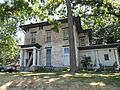
The Italianate style Walker Adams House.
-
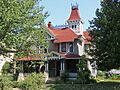
The Late Victorian style Ball-Waterman House.
-
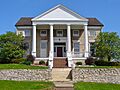
The Greek Revival style Edward S. Barrows House.
-
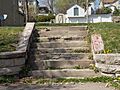
The Italianate style John R. Boyle House.
-
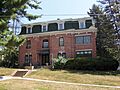
The Italianate style Anthony Burdick House.
-
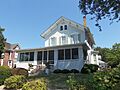
The Diedrich Busch House, built in 1877.
-
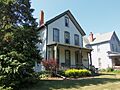
The W.S. Cameron House, built around 1880.
-
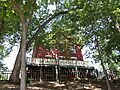
The James Cawley House, built in 1876.
-
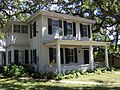
The Classical Revival style Collins House, built as a farmhouse.
-
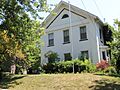
The George Copeland House from around 1880.
-
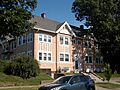
A building in the Cork Hill District, featuring various architectural styles.
-
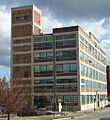
Buildings in the Crescent Warehouse Historic District.
-
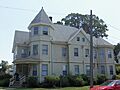
The Queen Anne style Currier House.
-
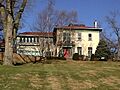
The Italianate/Prairie style Abner Davison House.
-
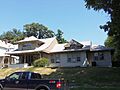
The Shingle Style Dils-Downer House.
-
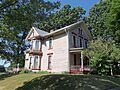
Homes in the East 14th Street Historic District.
-
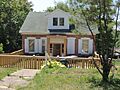
The Greek Revival D.C. Eldridge House.
-
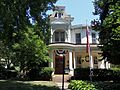
The Italianate style Theodore Eldridge House.
-
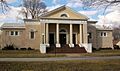
The Classical Revival style First Church of Christ, Scientist.
-
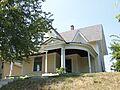
The Gothic Revival style William Gabbert House.
-
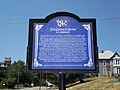
The Italianate style M.V. Gannon House.
-
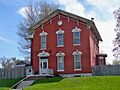
The Greek Revival style Isaac Glaspell House.
-
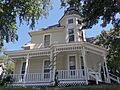
The Queen Anne style William T. Goodrich House.
-
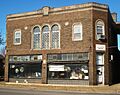
The Mission/Spanish Revival style Finley Guy Building.
-
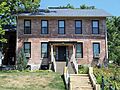
The Greek Revival style Israel Hall House.
-
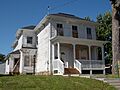
The Isaac W. Harrison House.
-
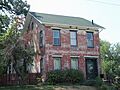
The Greek Revival style Louis Hebert House.
-
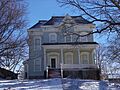
The Late Victorian House at 919 Oneida Street.
-
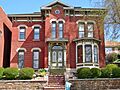
The Italianate style Kimball-Stevenson House.
-
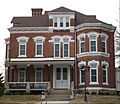
The Italianate style Nicholas J. Kuhnen House.
-
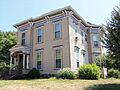
The Italianate style James E. Lindsay House.
-
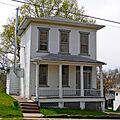
The simplified Italianate style Joseph Mallet House.
-
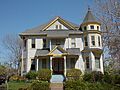
The Late Victorian McBride-Hickey House.
-
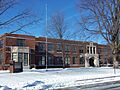
McKinley Elementary School.
-
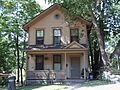
The Greek Revival style McKinney House.
-
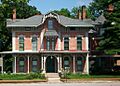
The Italianate style F.H. Miller House.
-
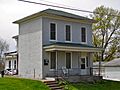
The simplified Italianate style Joseph Motie House.
-
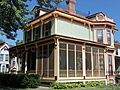
The Italianate style Thomas Murray House.
-
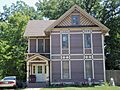
The Stick, Eastlake style Oscar Nichols House.
-
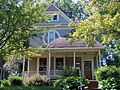
The Queen Anne style Benjamin Nighswander House.
-
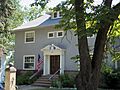
Houses in the Oak Lane Historic District.
-
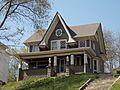
The Queen Anne style Henry Ockershausen House.
-
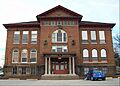
The former Renaissance Revival Pierce School No. 13.
-
The Greek Revival style Potter-Williams House.
-
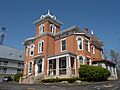
The Italianate style Hiram Price/Henry Vollmer House.
-
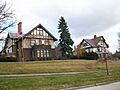
A building in the Prospect Park Historic District.
-
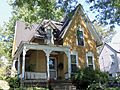
The Gothic Revival style Jacob Quickel House.
-
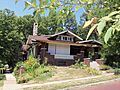
The Bungalow/Craftsman style Willam Radcliff House.
-
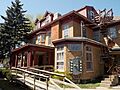
The Colonial Revival Renwick House.
-
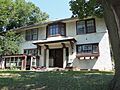
The Prairie School style Edward C. Roberts House.
-
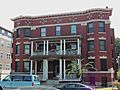
The Roslyn Flats apartment building.
-
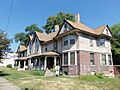
The Tudor Revival Rowhouses at 702-712 Kirkwood Boulevard.
-
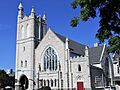
St. John's Methodist Church.
-
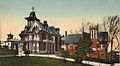
Buildings in the St. Katherine's Historic District.
-
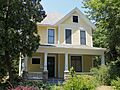
The Queen Anne style Louis C. and Amelia L. Schmidt House.
-
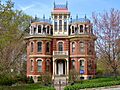
The Second Empire style Fred B. Sharon House.
-
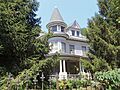
The Queen Anne style E.A. Shaw House.
-
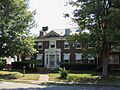
The Colonial/Georgian Revival style Charles S. Simpson House.
-
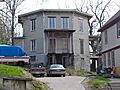
The Henry H. Smith/J.H. Murphy House.
-
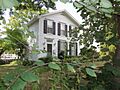
The Greek Revival style James Smith House.
-
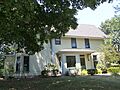
The Queen Anne style William G. Smith House.
-
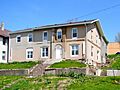
The Italianate style J.W. Stewart House.
-
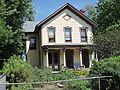
The Greek Revival style George B. Swan House.
-
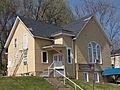
The Swedish Baptist Church, now Kingdom Generation Church.
-
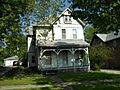
The Shingle Style I. Edward Templeton House.
-
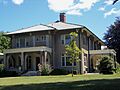
A house in the Vander Veer Park Historic District.
-
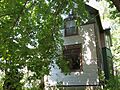
The Queen Anne and Colonial Revival style Frank J. Von Ach House.
-
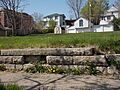
The Warner Apartment Building (now torn down).
-
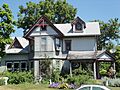
The Queen Anne style Charles Whitaker House.
-
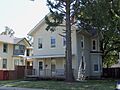
The McClelland style Oscar C. Woods House.


.jpg)


.jpg)
.JPG)


.jpg)


.JPG)


