
Columbus Register of Historic Properties facts for kids

The Columbus Register of Historic Places is a special list of old and important buildings and places in Columbus, Ohio. It helps protect these places so they can be enjoyed for many years. The city of Columbus started this list in 1980. Many of these places are also on a bigger list called the National Register of Historic Places. Being on that list can help get money to keep them in good shape.
Columbus has 79 places on its Register. This includes 51 places that are also on the National Register. Two very important places, the Ohio Statehouse and the Captain Edward V. Rickenbacker House, are on the Columbus Register. However, the famous Ohio Theatre is not. The city also has four historic neighborhoods that are not on this specific register: German Village, Italian Village, Victorian Village, and the Brewery District.
Contents
What Makes a Place Historic?
How Places Get Listed
To be added to the Columbus Register, a building or site must be at least 40 years old. It also needs to meet at least one of these rules:
- It has a special design or style. This design must be important to the history or culture of the city, state, or country.
- It is strongly connected to a famous person. This person must be important to the city, state, or country's history.
- It was built by a very important architect or builder. Their work should have influenced the city or nation.
- It shows amazing craftsmanship in its design or materials.
- It is linked to important historical or cultural events. These events must be significant to the city, state, or country.
Who Helps Protect Them?
Two main groups help protect these historic places. The first is the Columbus Historic Preservation Office. This office is part of the city's Department of Development. They help owners take care of their old buildings. They answer questions and guide people through the process of making changes. This office also plans how to protect historic places in general.
The second group is the Historic Resources Commission. This is a team of people chosen by the mayor. They meet once a month to discuss historic sites. This team often includes architects, lawyers, and business owners. Their job is to protect and improve historic sites. They also encourage people to invest in old buildings. They review plans for changes to these areas.
What Happens When a Place is Listed?
Being on the Columbus Register helps protect buildings and neighborhoods. It stops big changes that could harm their historic look. Owners can get advice on how to fix up their buildings. This advice comes from the Historic Preservation Office and the Commission.
Owners do not have to make specific changes to their listed property. However, any work on the outside of the building needs approval. This approval is called a "Certificate of Appropriateness." If owners want to change how their land is used or make big changes, the Commission reviews their plans. They then make a suggestion to the city council.
Examples of Historic Properties
Many different kinds of buildings are on the Columbus Register. Here are a few examples:
- Krumm Residence: This historic home was one of the first places listed.
- Cultural Arts Center: Once an old state arsenal, it is now a center for arts.
- Federal Post Office & Courthouse: An important government building from the past.
- First Congregational Church: A beautiful old church building.
- LeVeque Tower: A very tall and famous building in Columbus.
- Ohio Statehouse: The main government building for the state of Ohio.
- Captain Edward V. Rickenbacker House: The childhood home of a famous pilot.
- Central Ohio Fire Museum: This building used to be a fire station.
- White Castle Restaurant: An early example of a fast-food restaurant.
- Old Port Columbus Terminal: The old airport terminal building.
These examples show the variety of places protected by the Columbus Register. They include homes, churches, public buildings, and even old businesses.
Images for kids
-
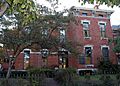
The Krumm Residence.
-
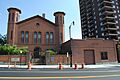
The Cultural Arts Center.
-
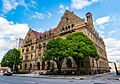
The Federal Post Office & Courthouse.
-
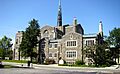
First Congregational Church.
-
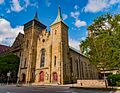
Central Presbyterian Church.
-
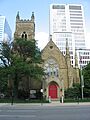
Trinity Episcopal Church.
-
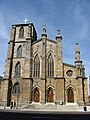
St. Joseph Cathedral.
-
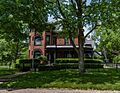
The Weisheimer House.
-
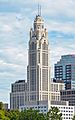
LeVeque Tower.
-
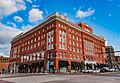
Southern Hotel & Theatre.
-
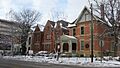
East Town Street Historic District.
-

The Ohio Statehouse.
-
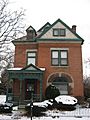
The James Thurber House.
-
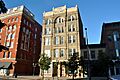
The Schlee-Kemmler Building.
-
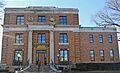
Orton Memorial Laboratory.
-
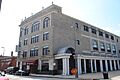
The Pythian Temple & James Pythian Theater.
-
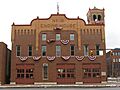
Engine House #16, now the Central Ohio Fire Museum.
-
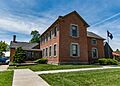
The Joseph Henderson House.
-
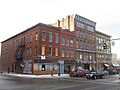
North Market Historic District.
-
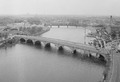
Scioto River Bridge Group.
-
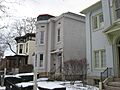
Jefferson Avenue Historic Group.
-
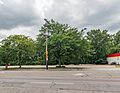
The former White Castle Restaurant site.
-
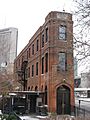
The H.A. Higgins Building.
-
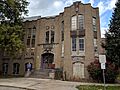
Indianola Middle School.
-
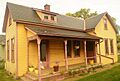
The Rickenbacker Boyhood Home.
-
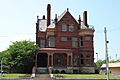
The W.H. Jones Mansion.
-
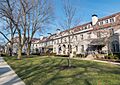
Broad-Brunson Place Condominiums.
-
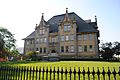
The Ohio Institute for the Education of the Deaf & Dumb.
-
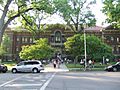
Indianola Elementary School.
-
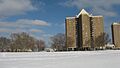
The former Felton School site.
-
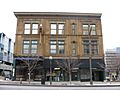
The Columbia Larrimer Building.
-
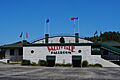
Valley Dale Ballroom.
-
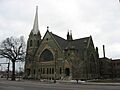
Broad Street United Methodist Church.
-
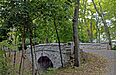
Old Beechwold Historic District.
-
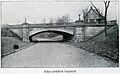
Iuka Ravine Historic District.
-
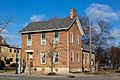
Harrison House and Sullivant Land Office.
-
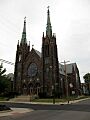
Old Oaks Historic District.
-
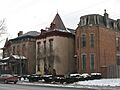
Hamilton Park Historic District.
-
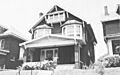
Indianola Forest Historic District.
-
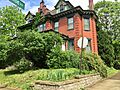
Bryden Road District.
-
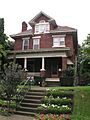
Northwood Park Historic District.
-
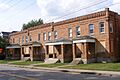
New Indianola Historic District.
-
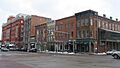
South High Commercial Historic District.
-
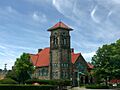
21st & E. Broad Historic Group.
-
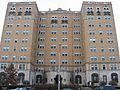
18th & E. Broad Historic District.
-
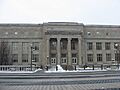
Central High School.
-
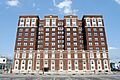
The Seneca Hotel.
-
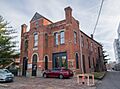
Engine House #7.
-
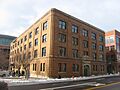
Ohio Moline Plow Building.
-
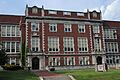
North High School.
-
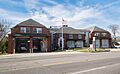
Northmoor Engine House / Station #19.
-
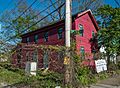
Deardurff House / Franklinton P.O.
-
Southwood Elementary School.
-
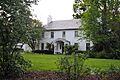
Richard Berry Jr. House.
-
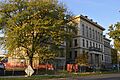
Barrett Middle School (South High School).
-
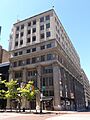
Citizens Savings & Trust Company / The Ohio National Bank.
-
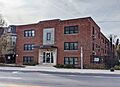
1379 N. High Street Apartment Building.
-
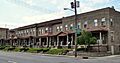
The Hamlet.
-
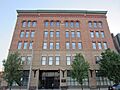
United States Carriage Company.
-
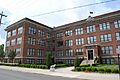
Jeffrey Manufacturing Company Office Building.
-
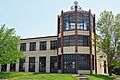
Old Airport Terminal.
-
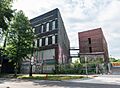
Lubal Manufacturing & Distributing Company.
-
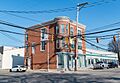
Gale House Condominiums.
-
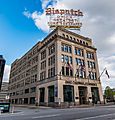
Columbus Dispatch Building.
-
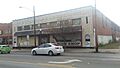
McClure-Nesbitt Motor Company.
-
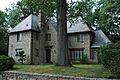
Gilbert Hamilton House.
-
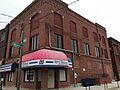
E.O. Snyder Grocer.
-
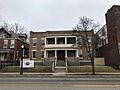
The Clifton.
-
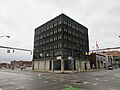
The Standard Building.
-
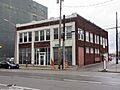
Winder's Motor Sales Co. Building.
-
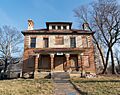
Baptist General Association Headquarters.
-
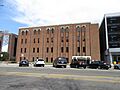
Market-Mohawk Center.


_-_exterior,_view_from_the_corner_of_Newton_Street_and_Ohio_Avenue.jpg)


_-_7845304826.jpg)


_-_11572317353.jpg)


.jpg)


.jpg)


.jpg)


