
Names of God in Old English poetry facts for kids
In Old English poetry, writers often used many different descriptive names for God. These special names are called epithets. They helped the poets make their verses sound good, especially because Old English poetry used a style called alliterative verse. This means that many words in a line of poetry would start with the same sound. Using different names for God helped the poets find words that fit this sound pattern.
Contents
What are Epithets?
An epithet is a special descriptive name or title. It is used instead of a person's usual name to describe them better. For example, instead of just saying "God," Old English poets might say "King of Glory" or "Heaven's Lord." These epithets helped to show different sides of God's power and nature. They also made the poetry more interesting and rich.
Why Different Names?
Old English poetry often used alliteration. This is when words close together start with the same sound. Think of "Peter Piper picked a peck of pickled peppers." Poets needed many words that meant similar things to fit this style. So, having many different names for God gave them more choices. It also showed how much respect and awe people had for God. Each name highlighted a different quality, like power, wisdom, or kindness.
Common Epithets for God
Old English poems like The Dream of the Rood, Cædmon's Hymn, and Beowulf are full of these special names. Here are some of the most common ones:
God as King or Lord
- Cyning (pronounced "Koo-ning") means "King." Poets often called God the wuldres Cyning, which means "King of Glory." This shows God's power and importance.
- Dryhten (pronounced "Dreekh-ten") means "Lord." This was a very common name. You might find God called the ece Dryhten ("eternal Lord") or heofones Dryhten ("heaven's Lord"). These names show God's everlasting rule and connection to heaven.
- Frea (pronounced "Fray-ah") also means "Lord" or "Master." Poets used names like Frea ælmihtig ("Master almighty") or Frea mancynnes ("Mankind's Master"). These names highlight God's control over everything and everyone.
God as Creator or Ruler
- Ealdor (pronounced "Ahl-dor") means "Prince." God was sometimes called wuldres Ealdor, or "Prince of Glory." This name suggests God's high rank and majesty.
- Metod (pronounced "Met-od") means "Maker" or "Creator." This name reminds us that God created the world. In Beowulf, God is simply called Metod or eald Metod ("Old Maker").
- Wealdend (pronounced "Weh-ahl-dend") means "Ruler." This name emphasizes God's power to govern. You might see Al-wealda ("all-ruler") or fæder alwealda ("Father all-ruler"). These names show God's complete control over the universe.
God as Protector or Father
- Fæder (pronounced "Fah-der") means "Father." This name shows a loving and protective side of God. Poets used Heahfæder ("Highfather") or Wuldorfæder ("Glorious Father").
- Hælend (pronounced "Hay-lend") means "Healer." This name points to God's ability to heal and save.
- Weard (pronounced "Weh-ard") means "Guard" or "Protector." God was called heofonrices Weard, meaning "the heavenly kingdom's Guard." This shows God as a protector of heaven and all that is good.
These different names helped Old English poets create beautiful and meaningful verses. They also gave listeners a deeper understanding of God's many qualities.
Images for kids
-
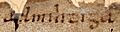
Ælmihtiga
-
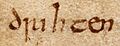
Drihten
-
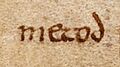
Metod


"Ælmihtiga," "Drihten," "Metod," as they appear in the Beowulf.
See also
- Name of God in Christianity
- Wuldor
- List of kennings
- List of names of Odin
- List of names of Freyr
