
Balboa Theatre (San Diego) facts for kids
 |
|
| Address | 868 Fourth Avenue San Diego, California United States |
|---|---|
| Owner | City of San Diego |
| Operator | San Diego Theatres |
| Capacity | 1,339 |
| Construction | |
| Opened | 1924 |
| Reopened | 2008 |
| Architect | Wheeler, William H.; Wurster Construction Co. et al. |
|
Balboa Theatre
|
|

 Location in San Diego

Location in San Diego County, California

Location in California

Location in the United States
|
|
| Architectural style | Mission/Spanish Revival |
| NRHP reference No. | 96001177 |
| Significant dates | |
| Added to NRHP | October 24, 1996 |
The Balboa Theatre is a famous old theater in downtown San Diego, California, USA. It first opened its doors in 1924. This special building is listed on the National Register of Historic Places, which means it's important to history. After a big renovation that started in 2005, the Balboa Theatre reopened in 2008. Today, it's a lively place for live shows and concerts!
Contents
Discovering the Balboa Theatre's Past
The Balboa Theatre was built in 1924 by a businessman named Robert E. Hicks. Architect William H. Wheeler designed it. It cost about $800,000 to build. This amazing building was a "vaudeville/movie palace." Vaudeville shows were live performances with music, comedy, and other acts. The theater looked grand with its Moorish and Spanish Revival styles. It had one balcony and could seat 1,513 people. Believe it or not, it even had small waterfalls near the stage to help cool the air!
The Balboa Theatre was part of a big chain called Fox West Coast. It showed both live vaudeville acts and movies. An orchestra and a special organ played music for the shows. A famous organ player named Edward Swan said the theater's original Robert Morton organ was the best he ever played. This organ had 426 pipes! In 1930, the theater got new technology for "sound pictures," which were movies with sound. A bright new neon sign was also added. In 1934, it was updated again and became "Teatro Balboa," showing movies in Spanish. During World War II, the theater's offices were used to house members of the United States Navy.
After World War II, the Balboa Theatre became less popular as a movie theater. In 1959, the Russo family bought it. Because of its amazing history and beautiful design, the Balboa Theatre was named a historic site in 1972. A plan in 1973 suggested fully restoring the building. However, the City of San Diego decided it was unsafe. A group called the Centre City Development Corporation (CCDC) even planned to remove the inside of the theater. They wanted to create four floors of shops instead.
Saving and Restoring a Historic Gem
In 1985, a small group of people, led by Steve Karo, started the "Save Our Balboa Organization." They worked hard to stop the theater from being destroyed. This group got a lot of public support. They eventually won their fight to save the theater! The "Save Our Balboa Organization" later became the Balboa Theatre Foundation. This foundation kept pushing for the theater to be restored. In 1996, they successfully got the Balboa Theatre added to the National Register of Historic Places.
After many years, the CCDC changed its mind. They decided to pay for a full restoration, which started in 2005. The project cost $26.5 million! They also managed the project with help from architects. The theater reopened in 2008. Now, it's a wonderful place for live shows and concerts.
In 2009, after a lot of work, the Balboa Theatre Foundation brought back a special 1929 Wonder Morton organ. This type of organ is very rare; only four exist in the world! The Foundation bought this organ, fixed it up, and moved it all the way from Pennsylvania. This restoration took five years! The theater's first Robert Morton organ had been moved to the Fox Theatre in 1929. That building is now known as the Jacobs Music Center.
What Happens at the Balboa Theatre Today?
Today, the Balboa Theatre is a busy place! It hosts the Mainly Mozart Festival, which is a series of classical music concerts. Many other special events and touring Broadway shows also come to the theater. The City of San Diego even uses the theater for its yearly "State of the City" address.
Gallery
-
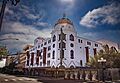
The theater in October 2024 (100th anniversary)
-
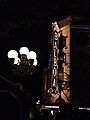
Photo taken of Balboa Theatre in downtown San Diego, Oct 2024.
-
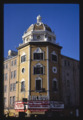
The theater in 1979
-
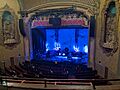
Interior of the Balboa Theatre before a concert in 2022


