
Irritable bowel syndrome facts for kids
Quick facts for kids Irritable bowel syndrome |
|
|---|---|
| Synonyms | Spastic colon, nervous colon, mucous colitis, spastic bowel |
 |
|
| 3D depiction of the pain of IBS | |
| Symptoms | Diarrhea, constipation, abdominal pain |
| Usual onset | Before 45 years old |
| Duration | Long term |
| Causes | Unknown |
| Risk factors | Genetic predisposition, psychological stress food poisoning, psychiatric illness |
| Diagnostic method | Based on symptoms, exclusion of other diseases |
| Similar conditions | Celiac disease, giardiasis, non-celiac gluten sensitivity, microscopic colitis, inflammatory bowel disease, small intestine bacterial overgrowth, bile acid malabsorption, colon cancer |
| Treatment | Symptomatic (dietary changes, medication, human milk oligosaccharides, probiotics, counseling) |
| Prognosis | Normal life expectancy |
| Frequency | 10–15% (developed world) and 15–45% (globally) |
Irritable bowel syndrome (IBS) is a common condition that affects the digestive system, specifically the large intestine. It causes a group of symptoms that happen together, including abdominal pain (stomach aches) and changes in bathroom habits, like diarrhea, constipation, or both. These symptoms can last for a long time, sometimes for years.
IBS is known as a functional gastrointestinal disorder. This means the gut looks normal when doctors examine it, but it does not work exactly as it should. It can affect a person's quality of life, making it harder to go to school, work, or participate in social activities. Many people with IBS also experience anxiety or feel down, which can sometimes make the symptoms worse.
Doctors do not know the exact cause of IBS, but they believe it involves how the brain and the gut communicate with each other. Factors like stress, certain foods, and family history can play a role. Sometimes, it starts after a bad stomach infection. While there is no cure, symptoms can often be managed with changes in diet, lifestyle, and stress reduction.
Contents
Signs and symptoms
The main signs of IBS are pain or discomfort in the belly area. This pain is often related to bowel movements (pooping). People with IBS might notice changes in how often they need to go to the bathroom or what their stool looks like.
Common symptoms include:
- Abdominal pain: Cramping or aching in the stomach area.
- Change in habits: Having diarrhea, constipation, or switching between the two.
- Bloating: Feeling like the stomach is full of gas or swollen.
- Urgency: A sudden need to use the bathroom.
- Incomplete feeling: Feeling like you haven't finished using the bathroom completely.
Symptoms can come and go. A person might have "flare-ups" where symptoms are bad for a few days, followed by times when they feel better. Stress and eating certain foods can trigger these flare-ups.
Some people with IBS may also experience other health issues, such as heartburn (gastroesophageal reflux), backaches, headaches, or feeling very tired. It is important to know that symptoms like weight loss without trying, or seeing blood, are usually not caused by IBS and should be checked by a doctor immediately.
Causes of the condition
Scientists are still studying exactly why some people get IBS. It is likely a combination of several different factors.
The brain-gut connection
The brain and the gut (intestines) are connected by many nerves. This connection is called the "gut–brain axis." In people with IBS, these signals might get mixed up. The gut might be more sensitive than normal, feeling pain from things that wouldn't bother other people, like gas or normal digestion. This is called "visceral hypersensitivity."
Stress and anxiety
Feeling stressed or anxious can affect the stomach. Because of the strong connection between the brain and the gut, strong emotions can trigger IBS symptoms. This does not mean the pain is "all in the head"—the pain is real, but emotions can make the gut react strongly.
Infections and bacteria
Sometimes, IBS starts after a person has had a severe stomach bug or food poisoning (gastroenteritis). This is called "post-infectious IBS." The infection might change the balance of bacteria in the intestines.
Our intestines are home to trillions of tiny bacteria, known as the gut microbiota. Most of these are helpful and keep us healthy. However, people with IBS might have a different mix of bacteria compared to people without the condition. They might have fewer "good" bacteria (like Lactobacillus) and more of other types. This imbalance can lead to gas and inflammation.
Food sensitivity
Many people with IBS find that certain foods make their symptoms worse. This is not usually a food allergy, but rather a sensitivity. Common triggers include dairy products, wheat, beans, and certain fruits and vegetables that produce gas during digestion.
Genetics
IBS can run in families. If a parent or sibling has IBS, a person is more likely to have it too. This suggests that genes might play a role, or it could be due to shared environments and habits.
Diagnosis
There is no single test, like a blood test or X-ray, that can diagnose IBS. Instead, doctors make a diagnosis based on a person's symptoms and medical history.
Doctors use a checklist called the Rome criteria. To be diagnosed with IBS, a person usually has had recurrent abdominal pain for at least six months, along with changes in their bathroom habits.
The doctor will also check to make sure the symptoms aren't caused by something else. They might look for "red flags" or warning signs that suggest a different problem. These warning signs include:
- Losing weight without trying.
- Signs of bleeding.
- Symptoms starting after age 50.
- A family history of other gut diseases like celiac disease or inflammatory bowel disease.
Tests
To rule out other conditions, a doctor might order a few tests:
- Stool tests: To check for infections or parasites.
- Blood tests: To check for celiac disease (a reaction to gluten) or anemia.
- Breath tests: To see if the body has trouble digesting lactose (dairy sugar) or fructose.
It is important to make sure the symptoms are not caused by lactose intolerance or celiac disease, as these are treated differently.
Management and treatment
While there is no cure for IBS, many treatments can help reduce symptoms and improve daily life. What works for one person might not work for another, so it often takes some time to find the right plan.
Dietary changes
Changing what you eat is often the first step in managing IBS.
The low-FODMAP diet
Doctors often recommend a special diet called the low-FODMAP diet. FODMAPs are types of carbohydrates (sugars and fibers) found in many foods like wheat, onions, garlic, milk, and certain fruits. These foods can be hard to digest and create gas.
- How it works: A person stops eating high-FODMAP foods for a short time to see if symptoms improve. Then, they slowly add foods back one by one to find out which ones cause trouble.
- Important: This diet can be tricky, so it is best to do it with the help of a dietitian to make sure you still get enough nutrients.
Fiber
Eating more fiber can help, especially for constipation. Soluble fiber, found in foods like oats and psyllium husk, dissolves in water and can help make bowel movements softer and more regular. However, some types of fiber (like bran) might make bloating worse for some people.
Lifestyle and stress relief
Since stress is a major trigger for IBS, learning to relax can help the tummy.
- Exercise: Regular physical activity, like walking, running, or swimming, helps keep the digestive system moving and reduces stress.
- Relaxation techniques: Yoga, deep breathing, and meditation can help calm the nervous system and reduce symptoms.
- Sleep: Getting enough sleep is important for overall health and gut function.
Medication
If diet and lifestyle changes aren't enough, doctors might suggest medicine.
- Antispasmodics: These medicines help relax the muscles in the gut to stop cramping.
- Laxatives: These can help people who struggle with constipation.
- Anti-diarrheal medicine: Medicines like loperamide can help slow down digestion if diarrhea is a problem.
- Probiotics: These are supplements containing "good" bacteria (like Bifidobacteria) that help balance the gut environment.
- Peppermint oil: Capsules containing peppermint oil can help soothe stomach pain and bloating.
Psychological therapies
Talking to a counselor or therapist can be very helpful. Therapies like Cognitive behavioral therapy (CBT) help people learn new ways to cope with stress and anxiety, which can lead to fewer stomach problems.
How common is IBS?

IBS is very common. About 10% to 15% of people in the developed world have it. It affects people of all ages, including children and teenagers, but it often starts before age 45.
In many Western countries, IBS is diagnosed more often in women than in men. However, in other parts of the world, like India and China, it affects men and women more equally.
History
Doctors have known about symptoms like IBS for a long time. The condition was first described in 1820. The name "irritable bowel syndrome" started being used in 1944. Before that, it had many other names, like "nervous colon."
Research
Scientists are working hard to understand IBS better.
- Microbiome research: Researchers are studying the bacteria in our guts to see if changing them can cure IBS. This includes looking at fecal microbiota transplants, where healthy bacteria are transferred to a person with IBS.
- New medicines: New drugs are being tested that target specific receptors in the gut to reduce pain and improve motility (movement).
Images for kids
-
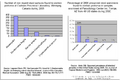
Common causes linked to IBS symptoms
.png)
See also
- Functional gastrointestinal disorder
- Low-FODMAP diet
- Gastroenteritis (Stomach flu)
