
List of invasive plant species in New Mexico facts for kids
Have you ever heard of plants that don't belong? In New Mexico, many plants have been brought here from other places. These are called introduced species. Sometimes, these introduced plants cause big problems for the plants and animals that naturally live here. When they do, they are called invasive species. They can take over, making it hard for native plants to grow. Let's learn about some of these plants and why they are a concern.
Contents
What Are Invasive Plants?
Invasive plants are like uninvited guests that take over a party. They are plants that did not originally grow in a certain area. People often bring them by accident, like seeds sticking to a car or shoe. Sometimes, people plant them on purpose because they look nice or seem useful.
Why Are They a Problem?
Once these plants arrive, they can spread very quickly. They often don't have natural enemies, like bugs or diseases, that keep them in check in their home countries. This means nothing stops them from growing wild. They can:
- Take up lots of water and nutrients that native plants need.
- Block sunlight from reaching smaller native plants.
- Change the soil, making it hard for native plants to grow.
- Reduce food and homes for native animals.
- Increase the risk of wildfires.
Some Invasive Plants in New Mexico
New Mexico has many different types of invasive plants. Here are a few examples that cause problems for the local environment.
Giant Cane
The giant cane (scientific name: Arundo donax) is a very tall grass. It can grow up to 20 feet high! It looks a bit like bamboo. This plant loves wet areas, especially along rivers and streams.
- Impact: Giant cane grows in thick patches. These patches push out native plants that usually grow along waterways. This can harm animals that rely on those native plants for food and shelter. It also uses a lot of water, which is a big deal in dry New Mexico.
Thistles
Several types of thistles are invasive in New Mexico. Thistles are known for their spiky leaves and often purple flowers.
- Musk Thistle: The Carduus nutans, or musk thistle, has large, nodding flower heads. It can grow very tall and spread quickly.
- Spiny Plumeless Thistle: The Carduus acanthoides, or spiny plumeless thistle, is also very spiky. Both thistles can take over pastures and rangelands.
- Yellow Star-Thistle: The Centaurea solstitialis, or yellow star-thistle, has bright yellow flowers and sharp spines. It can be harmful to horses if they eat it.
- Impact: Thistles can form dense patches. These patches reduce the amount of good food available for grazing animals. Their sharp spines also make areas difficult for people and animals to move through.
Russian Thistle
You might know the prickly Russian thistle (Kali tragus) as a "tumbleweed." These plants are very common in New Mexico. When they dry out, they break off and roll across the landscape.
- Impact: Russian thistle can quickly colonize disturbed areas. It competes with young native plants for water. When it dries and tumbles, it can spread its seeds far and wide. It can also pile up against fences and buildings, creating fire hazards.
Tamarisk Trees
Several types of tamarisk trees are invasive, including Tamarix chinensis (five-stamen tamarisk) and Tamarix gallica (French tamarisk). They are also called "saltcedar" (Tamarix ramosissima). These trees were brought to the U.S. to help control soil erosion.
- Impact: Tamarisk trees grow quickly along rivers. They use a lot of water and release salt into the soil. This makes it harder for other plants to grow nearby. They can also change the natural flow of rivers and reduce habitat for native birds and other wildlife.
Silverleaf Nightshade
The silverleaf nightshade (Solanum elaeagnifolium) is a pretty plant with silvery leaves and purple flowers. It looks nice, but it's a problem.
- Impact: This plant can spread very fast, especially in fields and pastures. It is also poisonous to livestock if they eat too much of it. It can reduce the amount of good forage for animals.
What Can Be Done?
Controlling invasive plants is a big job. It often involves different methods:
- Pulling or Digging: For smaller areas, people can pull out the plants by hand.
- Chemical Control: Sometimes, special sprays are used to kill the invasive plants.
- Biological Control: Scientists sometimes introduce specific insects or diseases from the plant's home country that only attack the invasive plant.
- Restoring Native Plants: After removing invasive plants, it's important to plant native species. This helps the ecosystem heal and makes it harder for invasive plants to return.
Learning about these plants helps us understand why it's important to protect New Mexico's natural environment.
Images for kids
-
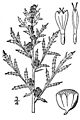
Biennial wormwood
-
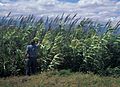
Giant cane
-
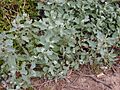
Sprawling saltbush
-
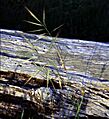
Great brome
-
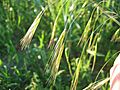
Barren brome
-
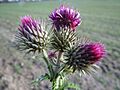
Spiny plumeless thistle
-
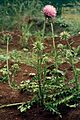
Musk thistle
-
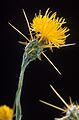
Yellow star-thistle
-
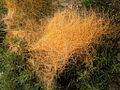
Chaparral dodder
-
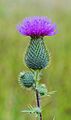
Spear thistle
-
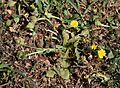
Cretanweed
-
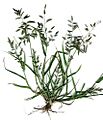
Stinkgrass
-
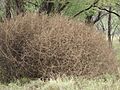
Prickly Russian thistle
-
Weeping alkaligrass
-
Himalayan blackberry
-
Crack willow
-
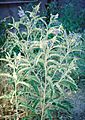
Silverleaf nightshade
-
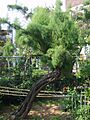
Five-stamen tamarisk
-
French tamarisk
-
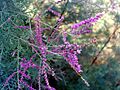
Smallflower tamarisk
-
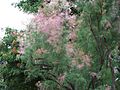
Saltcedar


_03.jpg)


See also
- Invasive species in the United States
