
Metal rectifier facts for kids
A metal rectifier was an early type of electronic device. It worked like a special one-way gate for electricity. These rectifiers were made using materials like copper oxide or selenium, which are types of semiconductors.
Their main job was to change alternating current (AC) into direct current (DC). Think of AC as electricity that constantly changes direction, like waves. DC, on the other hand, flows steadily in one direction, like water in a river. Many electronic devices need DC to work.
Metal rectifiers were very common in older devices such as radios and battery chargers. A company called Westinghouse Electric was a big producer of these rectifiers starting in the late 1920s.
In some places, the name "metal rectifier" was used for all devices that worked this way. But in other places, "metal rectifier" usually meant the ones made with copper oxide. The ones made with selenium were often called "selenium rectifiers."
Contents
What is a Rectifier?
A rectifier is an electronic part that changes alternating current (AC) into direct current (DC). Most of the electricity that comes from wall sockets in your home is AC. However, many electronic gadgets, like your phone or computer, need DC to operate. A rectifier makes this change possible.
How Metal Rectifiers Work
Metal rectifiers used special materials called semiconductors. These materials are not quite conductors (like copper wires) and not quite insulators (like plastic). They can control how electricity flows through them.
In a metal rectifier, layers of these semiconductor materials were placed together. When AC electricity tried to pass through, the rectifier would only let it go in one direction. It would block the flow when the current tried to go the other way. This process effectively "straightened out" the AC, turning it into DC.
Types of Metal Rectifiers
The two main types of metal rectifiers were copper-oxide rectifiers and selenium rectifiers.
Copper-Oxide Rectifiers
Copper-oxide rectifiers were among the first types developed. They used layers of copper and copper oxide. These rectifiers were good for handling lower voltages and were often found in older radios and battery chargers. They were quite sturdy but could be large for the amount of power they handled.
Selenium Rectifiers
Selenium rectifiers came later and were an improvement over copper-oxide types. They used layers of selenium and iron. Selenium rectifiers could handle higher voltages and were more efficient. They were popular in televisions and other devices that needed more power. However, they could sometimes produce a strong, unpleasant smell if they got too hot or failed.
Where Were They Used?
Metal rectifiers were very important before modern silicon rectifiers were invented. They were essential components in many household items and industrial equipment.
They were widely used in:
- Radios: To convert the AC power from the wall into DC power needed for the radio's electronic circuits.
- Battery Chargers: To change AC power into DC power to recharge batteries.
- Early Televisions: Especially selenium rectifiers, which could handle the higher voltages needed for TV sets.
- Industrial Equipment: For various power supply needs in factories and other settings.
The Legacy of Metal Rectifiers
Metal rectifiers were a big step forward in electronics. They made it easier to power devices from the AC grid. However, they had some downsides. They could be bulky, less efficient, and sometimes less reliable than newer technologies.
Today, metal rectifiers have mostly been replaced by modern silicon rectifiers. Silicon rectifiers are much smaller, more efficient, and can handle more power. But the metal rectifier was a crucial invention that paved the way for the electronic devices we use every day.
Images for kids
-
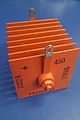
Selenium Rectifier. 8-plate 160V 450mA Federal-brand
-
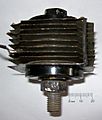
Copper-oxide rectifier
-
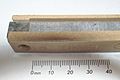
High-voltage selenium rectifier


