
National Register of Historic Places listings in Jamestown, Rhode Island facts for kids
Jamestown, Rhode Island, is a town with a rich history! Many of its special places are listed on the National Register of Historic Places. This means they are important to the history of the United States. These places are protected and celebrated for their unique stories and what they teach us about the past. From old lighthouses to historic forts and windmills, Jamestown has many cool spots to explore.
Contents
Exploring Jamestown's Historic Places
Lighthouses: Guiding Ships for Centuries
Lighthouses are tall towers with bright lights that help ships find their way safely. Jamestown is home to several historic lighthouses, each with its own story.
Beavertail Lighthouse
The Beavertail Lighthouse is one of the oldest lighthouses in North America. It has been helping ships navigate the entrance to Narragansett Bay since 1749! Imagine all the ships it has guided over the centuries. It's a truly important landmark.

Conanicut Island Lighthouse
Located on the northern tip of Conanicut Island, the Conanicut Island Lighthouse also played a key role in guiding boats. It's a beautiful spot with great views of the bay.

Dutch Island Lighthouse
The Dutch Island Lighthouse stands on the southern end of Dutch Island. This lighthouse is another important part of Rhode Island's maritime history. It helped ships safely pass through the waters around Dutch Island.

Forts and Batteries: Protecting the Coast
Jamestown's location made it important for defense. Several forts and batteries were built here to protect the area.
Artillery Park
Artillery Park is a historic site that was once used for military training. It reminds us of the times when soldiers practiced their skills to defend the coast.

Conanicut Battery
The Conanicut Battery was a military defense site located west of Beaver Tail Road. Batteries like this were used to hold cannons and protect the coastline from attacks.
Fort Wetherill
Fort Wetherill was built on the site of an even older fort called Fort Dumpling. This fort was important for defending the entrance to Narragansett Bay. Today, it's a state park where you can explore the old fort structures and enjoy the views.

Historic Buildings and Districts
Jamestown also has many old buildings and neighborhoods that tell stories about how people lived long ago.
Friends Meetinghouse
The Friends Meetinghouse is a historic building where the Quakers, also known as the Religious Society of Friends, gathered for worship. It's a simple, peaceful building that shows the history of the community.

Horsehead-Marbella
Horsehead-Marbella is a historic estate located on Highland Drive. It's an example of the beautiful homes built in Jamestown in the past.

Jamestown Windmill
The Jamestown Windmill is a famous landmark in Jamestown. This old windmill was used to grind grain, which was a very important job before modern machinery existed. It's a great example of early technology.

Shoreby Hill Historic District
The Shoreby Hill Historic District is a neighborhood with many historic homes. Walking through this area is like stepping back in time, with its unique architecture and layout.

Windmill Hill Historic District
The Windmill Hill Historic District is another historic neighborhood, named for its famous windmill. This area also has many old buildings that show the history and development of Jamestown.
Archeological Sites: Clues from the Past
Some historic places are not buildings but sites where archeologists find clues about how people lived thousands of years ago. These sites are often protected to preserve these important discoveries.
Thomas Carr Farmstead Site
The Thomas Carr Farmstead Site is an archeological site. This means it's a place where experts study old remains to learn about past human life.
Hazard Farmstead
The Hazard Farmstead is another archeological site in Jamestown. These sites help us understand the very early history of the area.
Old Friends Archeological Site
The Old Friends Archeological Site is also a place where archeologists look for signs of past human activity. These sites are like giant puzzles that help us piece together history.
Images for kids
-
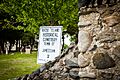
Artillery Park, a historic military training ground.
-
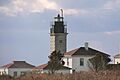
The historic Beavertail Lighthouse has guided ships since 1749.
-
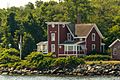
The Conanicut Island Lighthouse.
-
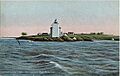
The Dutch Island Lighthouse on Dutch Island.
-
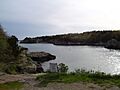
Fort Wetherill, built on the site of Fort Dumpling.
-
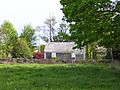
The Friends Meetinghouse in Jamestown.
-
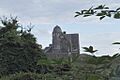
The historic Horsehead-Marbella estate.
-
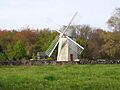
The historic Jamestown Windmill.
-
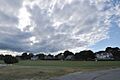
Homes in the Shoreby Hill Historic District.
