
National Register of Historic Places listings in Lake Clark National Park and Preserve facts for kids
Lake Clark National Park and Preserve in Alaska is a huge, beautiful area known for its stunning mountains, volcanoes, glaciers, and lakes. It's also home to many important historical sites. These special places are listed on the National Register of Historic Places, which is like a national list of buildings, objects, and areas that are important to American history.
In Lake Clark National Park and Preserve, there are 9 places on this special list. One of them is even more important and is called a National Historic Landmark. This means it's a place that tells a really big story about our country's past. You can even see some of these places on a map if their exact location is shared!
Contents
Historic Places in Lake Clark Park
Many interesting historical sites are protected within Lake Clark National Park and Preserve. Each one tells a unique story about the people and events that shaped this part of Alaska.
Dr. Elmer Bly House
The Dr. Elmer Bly House is a historic building located in Hardenburg Bay near Port Alsworth. It was added to the National Register of Historic Places in 2006. Today, this house serves as the main office for Lake Clark National Park. It's a great example of how old buildings can be used for new purposes while still preserving their history.

Clam Cove Pictograph Site
The Clam Cove Pictograph Site is a very old and important place near Port Alsworth. It was added to the National Register in 2017. A pictograph is a picture painted on a rock, usually by ancient people. This site helps us learn about the early inhabitants of this region and their art. Because it's so delicate and important, its exact location is kept private to protect it.

Kasna Creek Mining District
The Kasna Creek Mining District, located near Port Alsworth, became a historic district in 2010. A "mining district" is an area where people once searched for valuable minerals like gold. This site reminds us of the mining history in Alaska and the people who came here hoping to find their fortune. Its exact location is also restricted to help protect the area.
Kijik Archeological District
The Kijik Archeological District is a very significant area near Port Alsworth. It was recognized as a National Historic Landmark in 1994, making it one of the most important historical sites in the country. An archeological district is a place where scientists study old human settlements and artifacts. This district helps us understand the ancient history of the region.
Kijik Historic District
The Kijik Historic District, also near Port Alsworth, was added to the National Register in 1979. This area was once a village of the Denaʼina people, who are Native Alaskans. Studying this historic district helps us learn about the traditional ways of life of the Dena'ina and how they lived in this beautiful but challenging environment.

Libby's No. 23 Boat
LIBBY'S NO. 23 is a historic boat, specifically a "Bristol Bay double-ender," located in Port Alsworth. It was listed on the National Register in 2013. This type of boat was very important for fishing in the Bristol Bay area, known for its huge salmon runs. The boat tells a story about the fishing industry and the hard work of Alaskan fishermen.

Richard Proenneke Site
The Richard Proenneke Site is located at the southeastern end of Upper Twin Lakes within Lake Clark National Park and Preserve. It was added to the National Register in 2007. Richard Proenneke was a man who built his own cabin and lived simply in the wilderness for many years. His story is famous and shows how people can live in harmony with nature. His cabin is a popular spot for visitors to learn about his unique lifestyle.

Two Lakes Archeological District
The Two Lakes Archeological District is another important site near Port Alsworth. It was added to the National Register in 2019. Like other archeological sites, this district contains clues about the ancient people who lived in the Lake Clark area. Scientists can learn a lot about their tools, homes, and daily lives by studying the remains found here. Its exact location is restricted to protect the historical findings.
Wassillie Trefon Dena'ina Fish Cache
The Wassillie Trefon Dena'ina Fish Cache is a historic structure located in Port Alsworth. It was listed on the National Register in 2013. A "fish cache" is a traditional storage building used by Native Alaskans, like the Dena'ina people, to keep dried fish safe from animals and weather. This cache shows the clever ways the Dena'ina preserved food and lived off the land.

Images for kids
-
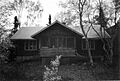
The Dr. Elmer Bly House, now the park's headquarters.
-
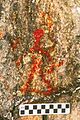
Ancient rock art at the Clam Cove Pictograph Site.
-
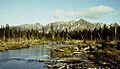
Lake Clark, near the Kijik Archeological and Historic Districts.
-
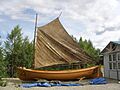
The historic fishing boat, LIBBY'S NO. 23.
-
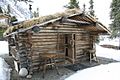
Richard Proenneke's famous cabin at Twin Lakes.
-
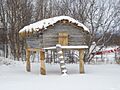
The Wassillie Trefon Dena'ina Fish Cache.
