
Rhinella tenrec facts for kids
Quick facts for kids Rhinella tenrec |
|
|---|---|
| Conservation status | |
| Scientific classification | |
| Synonyms | |
|
The Rhinella tenrec is a special type of toad. It belongs to the Bufonidae family, which includes many kinds of toads. This small amphibian is found only in Colombia, a country in South America. It lives in warm, wet lowland forests. Sadly, the Rhinella tenrec is in danger because its home is disappearing.
Contents
About the Tenrec Toad
The Rhinella tenrec is a unique toad that helps us understand the amazing variety of life on Earth. It was first described by scientists in 1990. Like all amphibians, it needs both land and water to survive.
Where It Lives
This toad is endemic to Colombia. This means it naturally lives nowhere else in the world. Its favorite places are subtropical or tropical moist lowland forests. These forests are warm and humid, with lots of rain. They have many trees and plants, creating a perfect home for amphibians. The toad prefers areas with plenty of leaf litter and damp soil. This environment helps it stay moist and find food.
What It Looks Like
While specific details about the Rhinella tenrec's appearance are not widely known, most toads in the Rhinella group share some common features. They usually have rough, warty skin. This skin helps them blend in with their surroundings. Their colors can vary, often being shades of brown, green, or grey. These colors provide good camouflage among leaves and dirt. Toads typically have short legs and a stout body. This shape is good for hopping short distances and burrowing.
What It Eats
Like many toads, the Rhinella tenrec is likely a carnivore. This means it eats other small creatures. Its diet probably includes insects like ants, beetles, and crickets. It might also eat spiders or other small invertebrates. Toads usually wait patiently for their prey to come close. Then, they use their long, sticky tongue to quickly snatch up their meal. This hunting method is very effective in the forest environment.
Life Cycle and Reproduction
The life cycle of the Rhinella tenrec probably follows the typical pattern for toads. Adult toads lay their eggs in water. These eggs hatch into tadpoles. Tadpoles are aquatic, meaning they live in water. They breathe through gills and feed on algae or tiny bits of plants. As they grow, tadpoles go through a process called metamorphosis. During metamorphosis, they develop legs, lose their tails, and their gills change into lungs. Eventually, they transform into small toadlets. These young toads then leave the water to live on land. They will grow into adult toads and continue the cycle.
Why It's Endangered
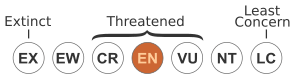
The Rhinella tenrec is listed as an endangered species. The biggest threat to its survival is habitat loss. Human activities are destroying the lowland forests where it lives. This destruction happens for several reasons. Forests are cut down to make space for farming, cattle ranching, and building new towns. Logging also removes trees, which changes the forest environment. Pollution from farming and other activities can also harm the toad's habitat. When their homes disappear, these toads have nowhere to live or reproduce. This makes it very hard for their populations to survive.
Protecting the Tenrec Toad
Protecting the Rhinella tenrec means protecting its forest home. Conservation efforts focus on preserving the remaining lowland forests in Colombia. This includes creating protected areas where human activities are limited. It also involves educating local communities about the importance of these toads and their habitat. Scientists continue to study the Rhinella tenrec to learn more about its needs. Understanding more about this toad can help create better plans to save it. Every effort to protect its forest helps this unique Colombian toad survive for future generations.
See also
 In Spanish: Rhinella tenrec para niños
