
Rhinella truebae facts for kids
Quick facts for kids Rhinella truebae |
|
|---|---|
| Conservation status | |
| Scientific classification | |
| Synonyms | |
|
Rhinella truebae is a special kind of toad that belongs to the family Bufonidae. This toad is found only in Colombia, which means it is endemic to that country. It was first described by scientists in 1990.
Contents
What is Rhinella truebae?
Rhinella truebae is a small amphibian, like frogs and salamanders. Toads are known for their dry, warty skin, which helps them live away from water for longer periods than some frogs. They are usually active at night, looking for food.
Where Does It Live?
This toad lives in the country of Colombia, located in South America. While we don't have many details about its exact habitat, most toads prefer damp, shady places. They can be found in forests, near streams, or even in gardens. They need places where they can find insects to eat and moisture to keep their skin healthy.
What Do Toads Eat?
Toads like Rhinella truebae are carnivores, meaning they eat other animals. Their diet mainly consists of small invertebrates. They use their long, sticky tongues to catch their prey.
- Insects like beetles and ants
- Spiders
- Worms
- Slugs
Life Cycle and Reproduction
Like all amphibians, Rhinella truebae goes through a fascinating life cycle. Toads usually lay their eggs in water.
How Toads Reproduce
Female toads lay their eggs in long strings, often wrapped around underwater plants. These eggs hatch into tiny larvae called tadpoles.
- Eggs: Laid in water, usually in ponds or slow-moving streams.
- Tadpoles: These are aquatic (water-dwelling) creatures. They breathe with gills and feed on algae and plant matter.
- Metamorphosis: As tadpoles grow, they slowly change. They develop legs, their tails shrink, and their gills are replaced by lungs.
- Adult Toads: Once fully developed, they leave the water and live on land. They will then be ready to reproduce themselves.
Conservation Status
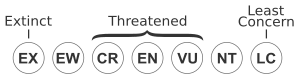
The conservation status of Rhinella truebae is listed as "Data Deficient" (DD) by the International Union for Conservation of Nature (IUCN).
What Does "Data Deficient" Mean?
"Data Deficient" means that scientists don't have enough information about this toad. They don't know how many there are, where exactly they live, or if their numbers are going up or down.
- It doesn't mean the toad is safe or in danger.
- It means more research is needed to understand its population and habitat.
- Scientists need to study Rhinella truebae more to figure out if it needs protection.
Protecting habitats in Colombia is important for all its native species, including toads like Rhinella truebae.
See also
- Rhinella truebae para niños (in Spanish)
