
National Register of Historic Places listings in Douglas County, South Dakota facts for kids

Imagine a special list that helps protect old and important buildings! This article is about the places in Douglas County, South Dakota that are on the National Register of Historic Places. This list helps save buildings, districts, and sites that tell us about the past.
These special places are found all over the United States. When a place is on this list, it means it's worth preserving for future generations. Douglas County has 8 properties and areas listed on the National Register. These places help us understand the history of the county and the people who lived there long ago.
Protecting History in Douglas County
Have you ever seen an old building and wondered about its story? The National Register of Historic Places is like a hall of fame for buildings and places that are important to history. It helps make sure these places are kept safe.
What is the National Register?
The National Register of Historic Places is the official list of the nation's historic places worth saving. It's part of a program by the United States government to identify and protect historic sites. When a building or area is added to the Register, it gets special recognition. This can also help with getting funds to repair and maintain these historic spots. It's all about celebrating and keeping our history alive!
Historic Places in Douglas County
Douglas County, South Dakota, is home to several fascinating places on this special list. Each one has its own unique story. These places include old schools, banks, and even entire parts of towns. They show us what life was like in the past.
Armour Historic District
The Armour Historic District is a special area in the town of Armour, South Dakota. It includes several blocks along Main Street. This district was added to the Register in 1978. It shows how the town looked and grew many years ago. Walking through it is like taking a step back in time!
Delmont Public School
The Delmont Public School, located at 205 West 3rd Street in Delmont, South Dakota, was listed in 1994. This old school building served many students over the years. It's a reminder of how education has changed and developed in the area.
Delmont Pumphouse
Also in Delmont, the Delmont Pumphouse is a small but important building on West Main Street. It was added to the Register in 1998. Pumphouses are often key parts of a town's early water system. They show how communities provided essential services to their residents.
Delmont State Bank
The Delmont State Bank, found at 104 West Main Street in Delmont, joined the list in 2008. Banks are often central to a town's economy and community life. This building likely saw many important business deals and helped the town grow.
Douglas County Courthouse and Auditor's Office
In Armour, the Douglas County Courthouse and Auditor's Office is a very important building. It's located on U.S. Route 281 and was listed in 1978. Courthouses are where local government decisions are made. This building has been a center for county activities for a long time.
Thomas Lenehan House
The Thomas Lenehan House is a historic home on Main Street in Delmont. It was added to the Register in 1988. Old houses like this one can tell us a lot about how people lived, what their homes looked like, and the styles of the past.
Slettebak Groceries, Hardware and Opera House
This interesting building in Armour had many uses! It was a grocery store, a hardware store, and even an opera house. It was listed in 1984. Places like this were often the heart of a community, where people shopped, gathered, and enjoyed entertainment.
Stevens Opera Block
The Stevens Opera Block is another historic building on Main Street in Delmont. It was added to the Register in 1988. Opera blocks often housed theaters or performance spaces, bringing arts and culture to small towns. They were important places for community events and entertainment.
These historic places in Douglas County are not just old buildings. They are important parts of our shared history. They help us remember the past and understand how our communities came to be.
Images for kids
-
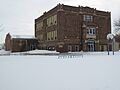
The historic Delmont Public School.
-
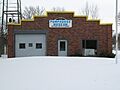
The Delmont Pumphouse, an important part of the town's history.
-
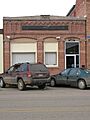
The Delmont State Bank building.
-
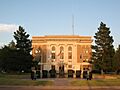
The Douglas County Courthouse and Auditor's Office.
-
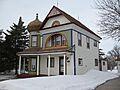
The Thomas Lenehan House in Delmont.
-
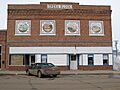
The Stevens Opera Block.


