
Pregnancy facts for kids

Pregnancy is a special time when a female mammal carries a new baby growing inside her body. When a female is pregnant, she is called "expecting" or "pregnant." For humans, a pregnancy usually lasts about 38 weeks. This is from when a new life begins (called conception) until the baby is born.
Most often, a mother has one baby at a time. Sometimes, a mother can have two babies at once; these are called twins. It's less common, but a mother can also have three or more babies at the same time.
Contents
How a Baby Grows During Pregnancy

When a woman's egg and a man's seed join together, they form a single cell called a zygote. This tiny cell is the very first stage of a new life.
The zygote quickly starts to divide and grow. It then becomes an embryo. An embryo is the early stage of development, usually for the first eight weeks after conception.
After about eight weeks, the embryo develops into a fetus. A fetus is the name for the growing baby from eight weeks until it is born.
The fetus continues to grow and develop inside the mother's body, getting everything it needs from her. When the fetus is fully developed and ready, the baby is born.
The Three Trimesters
Pregnancy is divided into three main parts, called trimesters, each lasting about three months. Each trimester brings its own special changes and milestones for both the mother and the baby.
First Trimester: Tiny Beginnings (Weeks 1-12)

In the first trimester, the tiny embryo starts to grow very quickly. It attaches to the inside of the uterus, and important parts like the placenta and the umbilical cord begin to form. The placenta is like the baby's life support system, bringing food and oxygen from the mother and taking away waste. The umbilical cord connects the baby to the placenta.
During these early weeks, the baby's heart starts to beat, and tiny features like fingers, eyes, mouth, and ears begin to appear. Even though the baby is still very small, it's already a complex and developing little person! The mother might start to feel tired, have an upset stomach (often called "morning sickness"), or feel hungry more often.
Second Trimester: Growing and Moving (Weeks 13-27)
The second trimester is often called the "golden trimester" because many mothers start to feel better and have more energy. The baby grows bigger and stronger, and its body systems continue to develop.
One of the most exciting parts of the second trimester is when the mother starts to feel the baby move and kick for the first time! These gentle movements are called "quickening." The baby's bones and muscles get stronger, and it can even hear sounds from outside the womb. Doctors can often tell if the baby is a boy or a girl during this trimester using a special picture called an ultrasound.
Third Trimester: Getting Ready for the World (Weeks 28-40)
The third trimester is when the baby grows the most, gaining weight and getting ready for birth. All its organs are maturing, and it's practicing important skills like breathing and sucking its thumb. The baby will turn into a head-down position, getting ready to come out.
The mother's belly gets much bigger during this time, and she might feel the baby's kicks and wiggles very strongly! She might also feel more tired as her body works hard to support the growing baby. This trimester is all about the final preparations for the baby's arrival.
-
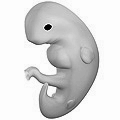
Embryo at 4 weeks after fertilization
-
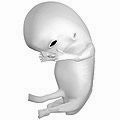
Fetus at 8 weeks after fertilization
-
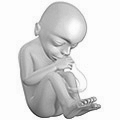
Fetus at 18 weeks after fertilization
-
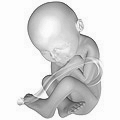
Fetus at 38 weeks after fertilization


-

Relative size in 1st month (simplified illustration)
-

Relative size in 3rd month (simplified illustration)
-

Relative size in 5th month (simplified illustration)
-

Relative size in 9th month (simplified illustration)


A Mother's Amazing Body
A mother's body goes through many amazing changes during pregnancy to help the baby grow and stay healthy. Her heart works harder, she breathes more, and her body makes special hormones that help the baby develop. Her blood volume increases, and she gains weight, which is normal and healthy! This weight comes from the growing baby, the placenta, extra fluids, and tissues in her body. Her belly gets bigger and changes shape, and her belly button might even pop out! These changes are all part of the incredible process of creating new life.
Keeping Healthy During Pregnancy: Prenatal Care
Prenatal care means getting regular check-ups with a doctor or midwife throughout the pregnancy. This is super important to make sure both the mother and baby are healthy and safe.
- Doctor Visits: Regular visits allow doctors to check on the baby's growth, listen to its heartbeat, and make sure the mother is feeling well. They can also answer any questions the mother might have.
- Healthy Eating: Eating healthy foods is crucial during pregnancy! The mother needs extra energy and special vitamins, like folic acid, to help the baby grow strong and healthy. Doctors often recommend a balanced diet with lots of fruits, vegetables, and whole grains.
- Staying Active: Gentle exercise, like walking or swimming, can help the mother stay strong and feel good during pregnancy. It's important to talk to a doctor about what types of exercise are safe.
- Safe Choices: Pregnant women are very careful about what they eat, drink, and do. Doctors are also very careful about what medicines a pregnant woman takes, making sure any medicine is safe for both mother and baby. They also try to avoid strong chemicals or other things that could harm the baby.
- Other Important Care: Taking good care of teeth and gums is important, as hormonal changes can sometimes make gums more sensitive. Getting enough sleep and managing stress are also key for a healthy pregnancy. Most pregnant women can fly safely during their pregnancy, but they often check with their doctor first, especially closer to their due date.
Many parents go to special classes to learn about childbirth and how to care for a new baby. They might also make a "birth plan" to share their wishes for the big day with their doctors and nurses.
The Big Day: Childbirth
Childbirth, also called labor and delivery, is when the baby is finally born! It's a powerful and exciting event.
During labor, the mother's body has strong contractions (like muscles squeezing) to help the baby move out of the uterus and through the birth canal. Doctors and nurses are there to help and support the mother every step of the way.
Right after birth, mothers and babies have a special time to bond and get to know each other. Skin-to-skin contact, where the baby is placed directly on the mother's chest, is very important for this and helps the baby feel safe and loved.
After the baby is born, the mother enters the "postnatal period," which is about six weeks long. During this time, her body recovers and adjusts to having a new baby. It's a time for rest, healing, and getting to know the newest member of the family.
Babies are usually born around 40 weeks. Babies born a little early are called "preterm," and those born between 39 and 41 weeks are considered "full term," which is usually the healthiest time for them to arrive.
Images for kids
-
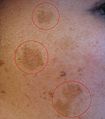
Melasma: pigment changes to the face due to pregnancy
-
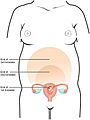
The uterus as it changes in size over the duration of the trimesters
-
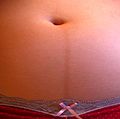
Linea nigra in a woman at 22 weeks pregnant
-
The Visitation: Mary, pregnant with Jesus, visiting pregnant Elizabeth, depicted as a statue at the Church of the Visitation in Ein Karem, Israel.
-
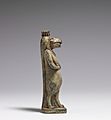
Taweret ancient Egyptian goddess of pregnancy.
-
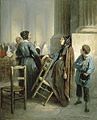
The Deserted Wife aka The Waif, Octave Tassaert, 1852
-
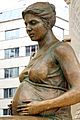
Statue of a pregnant woman, Macedonia


.jpg)
See also
 In Spanish: Embarazo humano para niños
