
Saad Ibn Aqeel Shrine facts for kids
The Saad ibn Aqeel Shrine was an important historical building in Tal Afar, a city in Iraq. It was a special place that served as both a mausoleum (a building holding a tomb) and a husseiniya (a hall for religious gatherings). The shrine was located near another significant building, the Sheikh Jawad Mosque.
The shrine was famous for its beautiful golden dome. This dome sat directly over the tomb of Saad Ibn Aqeel. Saad Ibn Aqeel was a respected figure, and his family line could be traced back to Aqeel ibn Abi Talib, a very important person in early Islamic history. The actual grave of Saad Ibn Aqeel was protected inside a special cage-like structure called a zarih. Sadly, this historic shrine was destroyed in 2014.
Contents
What Was the Saad ibn Aqeel Shrine?
The Saad ibn Aqeel Shrine was more than just a building; it was a place of worship and remembrance. It combined two main functions:
- A mausoleum: This is a grand building built to house the tomb of an important person. Think of it like a special, fancy tomb.
- A husseiniya: This is a community hall where people gather for religious ceremonies, especially those related to the memory of Imam Hussein, a grandson of the Prophet Muhammad.
People would visit the shrine to pray, learn, and remember Saad Ibn Aqeel and his family's history. It was a central point for the community in Tal Afar.
Who Was Saad Ibn Aqeel?
Saad Ibn Aqeel was a significant historical figure. He was an ancestor (meaning an early family member) of a very important person named Aqeel ibn Abi Talib. Aqeel ibn Abi Talib was a companion of the Prophet Muhammad and the brother of Ali ibn Abi Talib, who is highly revered in Islam. Being connected to such a prominent family made Saad Ibn Aqeel's shrine a place of great respect and pilgrimage.
What Did the Shrine Look Like?
The Saad ibn Aqeel Shrine was known for its striking appearance. Its most notable feature was a shining golden dome that covered the mausoleum section. Golden domes are often used in Islamic architecture to signify importance and beauty. Inside, the grave of Saad Ibn Aqeel was enclosed within a zarih. A zarih is a decorative, often metallic, cage or grille that surrounds a tomb, allowing visitors to see the grave while also protecting it. The shrine was a beautiful example of traditional Iraqi architecture.
The Shrine's Location and Surroundings
The shrine was located in Tal Afar, a city in the Nineveh Governorate of northern Iraq. Tal Afar has a rich history and is home to many important cultural sites. The Saad ibn Aqeel Shrine was situated close to the Sheikh Jawad Mosque, another significant religious building in the area. This proximity meant that the two sites might have been part of a larger religious complex, serving the spiritual needs of the local population.
Why Was the Shrine Important?
The Saad ibn Aqeel Shrine held great importance for several reasons:
- Religious Significance: As a mausoleum and husseiniya, it was a vital center for religious worship and community gatherings.
- Historical Connection: It honored Saad Ibn Aqeel, connecting visitors to a long and respected lineage in Islamic history.
- Architectural Beauty: With its golden dome and traditional design, it was a beautiful landmark in Tal Afar.
- Cultural Heritage: It was a part of Iraq's rich cultural and historical heritage, representing centuries of tradition and faith.
Images for kids
-
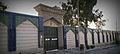
The fence and outer entrance to the complex.
-
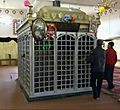
People praying at the shrine.
-
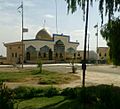
The shrine before its destruction in 2014, photo taken 2011
-

The dome of the shrine (middle) with Qaddo Mosque dome over to the left.


