
Heliconia facts for kids
Quick facts for kids Heliconia |
|
|---|---|
 |
|
| Heliconia latispatha inflorescences | |
Scientific classification  |
|
| Kingdom: | Plantae |
| Clade: | Tracheophytes |
| Clade: | Angiosperms |
| Clade: | Monocots |
| Clade: | Commelinids |
| Order: | Zingiberales |
| Family: | Heliconiaceae Vines |
| Genus: | Heliconia L. |
| Synonyms | |
|
|
Heliconia is a colorful genus of flowering plants. They belong to their own special plant family called Heliconiaceae. These tropical beauties are famous for their bright colors and unusual shapes. People often call them lobster-claws, toucan beak, or false bird-of-paradise. This is because they look very similar to bird-of-paradise flowers.
Most kinds of heliconias are native to the warm rainforests of the Americas. A few kinds grow naturally on Pacific islands and in Maluku, Indonesia. Many gardeners love to grow them because they look like living fireworks.
Contents
How Heliconia Plants Look and Grow

Heliconias can be small, but some grow nearly 4.5 meters (15 feet) tall. They are close relatives of tasty bananas in the Musaceae family and garden canna plants.
Giant Leaves
The leaves are long and paddle-shaped, looking a lot like banana leaves. They can grow up to 3 meters (10 feet) long. Because they need sunlight for food, leaves in different spots catch different amounts of light.
Bright Bracts and Tiny Flowers
The most famous part of a heliconia is not actually a flower petal. The giant, colorful parts are modified leaves called bracts. These tough, waxy cups come in brilliant shades of red, orange, yellow, and green. They can stand straight up or hang downward in long branches called panicles. The true flowers are quite small and hide inside these waxy cups.
Seeds and Blue Fruits
After the flowers are visited, the plant makes round fruits. These fruits turn a bright blue or purple when ripe. Hungry birds eat the sweet fruits and drop the seeds in new forest spots.
Amazing Wildlife Connections

Heliconias are like busy jungle hotels and restaurants. They provide food and cozy homes for many wild rainforest animals.
Hummingbirds and Pollination
Hummingbirds are the best friends of heliconias. The plants make lots of sweet nectar to attract them. The hummingbird drinks nectar, gets dusted with pollen, and carries it to another bloom.
Curved flowers match birds with curved beaks, such as the hermit hummingbirds in the subfamily Phaethornithinae. These busy flyers visit along set pathways. Other hummingbirds have straight beaks and fiercely defend their favorite flower patches. A mother rufous-breasted hermit bird even uses the plant to build her safe nest.
Bat Houses and Night Pollinators
Some bats love heliconias too. The fluffy Honduran white bat turns big leaves into green tents. The tiny bat cuts along the leaf veins so the sides fold down. This leaf tent keeps the bats dry in the rain and hides them from enemies. If a snake touches the leaf stem, it shakes and warns the resting bats.
Another bat called the neotropical disk-winged bat has tiny suction cups on its wrists. It uses them to stick inside slippery young leaves. On the Solomon Islands, a night-flying bat called Melonycteris woodfordi pollinates the green blooms of Heliconia solomonensis.
Tiny Insects Inside Water Cups
The cup-like bracts often fill up with rainwater. These tiny pools become mini aquariums. Fly larvae, mosquito larvae, and beetles live right inside the water. Shining leaf beetles belonging to the Chrysomelidae family spend their entire lives eating the leaves. Gentle paper wasps like Polistes erythrocephalus build paper nests underneath the giant leaves for shelter.
History and Plant Names
Heliconias have been on Earth for a very long time. Scientists found they began growing during the Late Eocene period, around 39 million years ago. In 1771, the famous scientist Carl Linnaeus named them after Mount Helicon, a legendary mountain in Greece. Modern scientists place them in the plant order Zingiberales using the official APG system.
Cultivation and Care
Gardeners around the world love to grow heliconias in warm, sunny yards. Popular kinds include the hanging Heliconia rostrata and the spotted Heliconia psittacorum. They need lots of sunshine, rich soil, and plenty of water to produce their stunning jungle blooms.
Images for kids
-
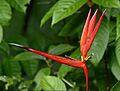
Heliconia acuminata
-
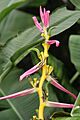
Heliconia aemygdiana
-
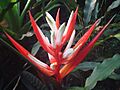
Heliconia angusta
-
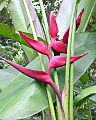
Heliconia bourgaeana
-
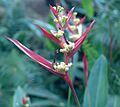
Heliconia burleana
-
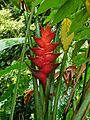
Heliconia caribaea
-
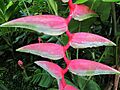
Heliconia chartacea
-
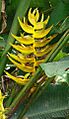
Heliconia clinophila
-
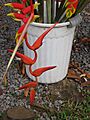
Heliconia colgantea
-
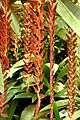
Heliconia curtispatha
-
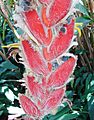
Heliconia danielsiana
-
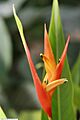
Heliconia densiflora
-
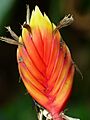
Heliconia episcopalis
-
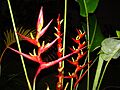
Heliconia farinosa
-
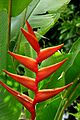
Heliconia foreroi
-
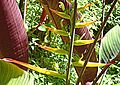
Heliconia gloriosa
-
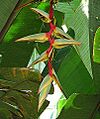
Heliconia griggsiana
-
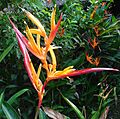
Heliconia hirsuta
-
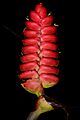
Heliconia imbricata
-
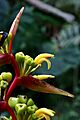
Heliconia impudica
-
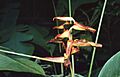
Heliconia irrasa
-
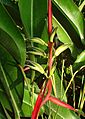
Heliconia julianii
-
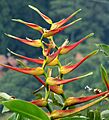
Heliconia latispatha bloom
-
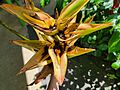
Heliconia laufao
-
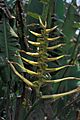
Heliconia lingulata
-

Heliconia longiflora
-
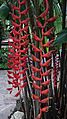
Heliconia longissima
-
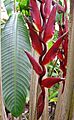
Heliconia lozanoi
-
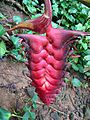
Heliconia mariae
-
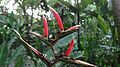
Heliconia metallica
-
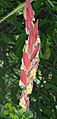
Heliconia mutisiana
-
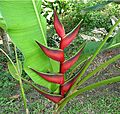
Heliconia orthotricha
-
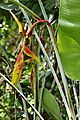
Heliconia platystachys
-
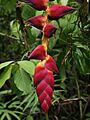
Heliconia pogonantha
-
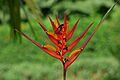
Heliconia psittacorum
-
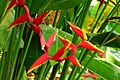
Heliconia × rauliniana
-
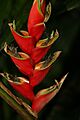
Heliconia rodriguensis
-
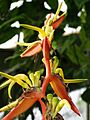
Heliconia sarapiquensis
-
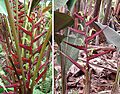
Heliconia scarlatina
-
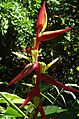
Heliconia schiedeana
-
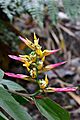
Heliconia schumanniana
-
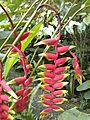
Heliconia standleyi
-
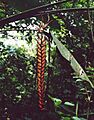
Heliconia stilesii
-
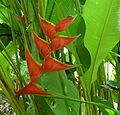
Heliconia stricta
-
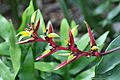
Heliconia subulata
-
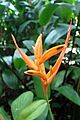
Heliconia talamancana
-
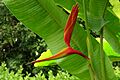
Heliconia thomasiana
-
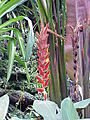
Heliconia vellerigera
-
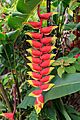
Heliconia velutina
-
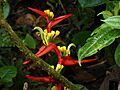
Heliconia venusta
-
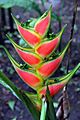
Heliconia wagneriana
-
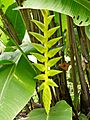
Heliconia xanthovillosa


See also
 In Spanish: Heliconia para niños
