
List of local nature reserves in North Yorkshire facts for kids
Local Nature Reserves (LNRs) are special places in nature that are protected by local councils. They are like local parks, but they are set aside to protect important plants, animals, or interesting rocks and land features.
In North Yorkshire, there are many of these amazing places. This list covers the area of North Yorkshire as it is today, including places like Middlesbrough, Redcar and Cleveland, and the City of York. This means it also includes areas that were once part of the West Riding of Yorkshire before 1974, like Harrogate.
Local councils choose these reserves under a law called the National Parks and Access to the Countryside Act 1949. To make a place an LNR, the council must have control over it. This means they might own it, rent it, or have a special agreement with the owner. LNRs are chosen because they have something special about their nature, whether it's the wildlife, plants, or geology (the study of rocks and earth). Councils have a duty to look after these sites. They can even make special rules, called bye-laws, to help manage and protect them. As of May 2018, North Yorkshire has 18 official Local Nature Reserves.
Contents
- Discover North Yorkshire's Local Nature Reserves
- Acomb Wood and Meadow: A Green Space in York
- Ballowfield: Home to Rare Plants
- Barlow Common: From Railway to Wildlife Haven
- Birk Crag: A Home for Endangered Beetles
- Cleatop Park: A Peaceful Spot Near Settle
- Clifton Backies: A Former Airfield's New Life
- Farndale Local Nature Reserve: A Valley of Wild Daffodils
- Foxglove Covert: A Unique Military Reserve
- Freeholders Wood and Riddings Field: Ancient Woodlands
- Hell Wath: Riverside Nature in Ripon
- Hob Moor: An Ancient Common in York
- Hookstone Wood: A Haven for Dragonflies
- Langcliffe and Attermire: Stone and Wildflowers
- Nosterfield: A Former Quarry's New Life
- Quarry Moor: A Geologically Important Site
- St Nicholas Fields: From Landfill to Nature Haven
- The Dell: Urban Nature with Art
- Images for kids
Discover North Yorkshire's Local Nature Reserves
North Yorkshire is home to many wonderful Local Nature Reserves, each with its own unique features and wildlife. Let's explore some of these special places.
Acomb Wood and Meadow: A Green Space in York
Acomb Wood and Meadow is a lovely nature spot located in Acomb, near York. It covers about 4.32 acres. York City Council officially made it a Local Nature Reserve in March 2007. It's a great place for a quiet walk and to enjoy nature close to the city.
Ballowfield: Home to Rare Plants

Ballowfield is a smaller reserve, about 0.93 hectares, found near Carperby. It's managed by the Yorkshire Dales National Park Authority. This site is very special because it has a lot of Spring Sandwort plants. These plants are quite rare in Britain and often grow in places where lead used to be mined, like at Ballowfield.
Barlow Common: From Railway to Wildlife Haven

Barlow Common, located in Barlow, is a large reserve covering 36.6 hectares. It's looked after by North Yorkshire Council. This area used to be a dumping ground for railway waste until 1983. After that, a lake was created, and the site was cleaned up. It became an LNR in 2002 and is now run by the Yorkshire Wildlife Trust. It's an amazing example of how a former industrial site can become a thriving home for wildlife.
Birk Crag: A Home for Endangered Beetles

Birk Crag is about 27 acres and is located southwest of Harrogate. North Yorkshire Council designated it as an LNR in January 1993. What makes Birk Crag unique is that it's one of only two places in Britain where an endangered type of click beetle lives all the time. It's a vital spot for protecting this rare insect.
Cleatop Park: A Peaceful Spot Near Settle

Cleatop Park is a 14.47-hectare reserve located just over a mile south of Settle. The Yorkshire Dales National Park Authority made it an LNR in June 2006. It offers a peaceful natural environment for visitors to enjoy.
Clifton Backies: A Former Airfield's New Life

Clifton Backies is a large 18.58-hectare reserve in York, managed by York City Council. Much of this site used to be part of an old airfield, RAF Clifton. It was designated as an LNR in 2002, showing how old industrial sites can be transformed into important nature areas.
Farndale Local Nature Reserve: A Valley of Wild Daffodils
Farndale Local Nature Reserve is a huge 157-hectare area in Farndale, Ryedale. It was one of the earliest LNRs, designated in 1955 by the North York Moors National Park Authority. Farndale is famous for its stunning display of wild daffodils that bloom every spring, attracting many visitors.
Foxglove Covert: A Unique Military Reserve

Foxglove Covert is a 100-acre reserve located within Catterick Garrison, Richmondshire. It was opened in 1992 and is managed by North Yorkshire Council. This reserve is special because it was the first LNR to be on Ministry of Defence land and the first LNR in Richmondshire. Visitors need to go through the Garrison security to enter, making it a unique place to explore nature.
Freeholders Wood and Riddings Field: Ancient Woodlands

Freeholders Wood and Riddings Field cover about 31 acres near Aysgarth. This reserve, managed by the Yorkshire Dales National Park Authority, is located north of the River Ure. The woodlands here are hundreds of years old, making them a historic and natural treasure.
Hell Wath: Riverside Nature in Ripon

Hell Wath is an 8.88-hectare nature reserve to the west of Ripon, alongside the River Skell. North Yorkshire Council designated it in 1993. It's a great place to enjoy riverside walks and observe local wildlife.
Hob Moor: An Ancient Common in York

Hob Moor is a 36-hectare ancient common located southwest of York city centre. It was designated an LNR by York City Council in 2003. What's special about Hob Moor is that cattle still graze there, and the land has never been treated with fertilisers. This means it has kept its natural, untouched character for a very long time, supporting unique plant life.
Hookstone Wood: A Haven for Dragonflies
Hookstone Wood is a 7.56-hectare site located about 2 miles southeast of Harrogate town centre. North Yorkshire Council designated it in 1993. This woodland is very important for different kinds of damselflies and dragonflies, making it a great spot for insect enthusiasts.
Langcliffe and Attermire: Stone and Wildflowers

Langcliffe and Attermire cover about 50 acres near Langcliffe. This reserve was declared in 2004 by the Yorkshire Dales National Park Authority. It's known for its interesting rock formations and the beautiful grasses and wildflowers that grow among them.
Nosterfield: A Former Quarry's New Life

Nosterfield is a 60-acre former sand and gravel quarry located northeast of West Tanfield. North Yorkshire Council declared it an LNR in June 2006. It is now run by the Lower Ure Conservation Trust (LUCT). This reserve is a fantastic place for birdwatching; in fact, the first Bittern bird ever recorded in North Yorkshire was seen here!
Quarry Moor: A Geologically Important Site

Quarry Moor is a 9.2-hectare site in Ripon. It was given to the city in 1945 and became an LNR in January 2001. This site is very important nationally because of its magnesian limestone bedrock. This special type of rock allows many different kinds of plants to grow, making it a rich habitat. Ripon City Council owns and manages the site.
St Nicholas Fields: From Landfill to Nature Haven

St Nicholas Fields is a 24-acre reserve in York, managed by the City of York Council. It opened in 2004. Amazingly, this site used to be the city's landfill, where all the rubbish was dumped, until 1974. In the 1980s, a big clean-up effort transformed it, and it was awarded LNR status in 2004. It's a great example of how we can turn old, used land into beautiful natural spaces.
The Dell: Urban Nature with Art

The Dell is a 5.5-hectare reserve located in Eastfield, near Scarborough. North Yorkshire Council designated it in October 2012. This urban fringe area is unique because it features interesting chainsaw sculptures, blending nature with art.
Images for kids
-
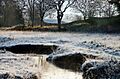
Wildflowers blooming in Ballowfield meadow.
-
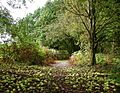
A view across the lake at Barlow Common.
-
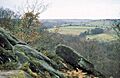
The rocky landscape of Birk Crag.
-
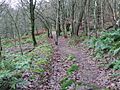
Trees in Cleatop Wood, part of Cleatop Park.
-
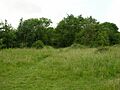
Open fields at Clifton Backies.
-
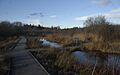
Wetlands area at Foxglove Covert.
-
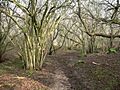
A path winding through Freeholders Wood.
-
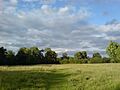
The peaceful River Skell flowing through Hell Wath.
-
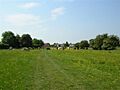
Cattle grazing on Hob Moor.
-
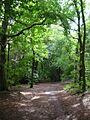
A quiet path in Hookstone Wood.
-
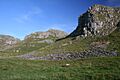
The impressive Attermire Scar.
-
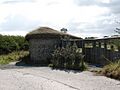
A bird hide at Nosterfield Reserve.
-
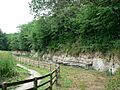
The unique landscape of Quarry Moor.
-
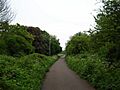
A path through St Nicholas Fields.
-
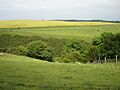
Chainsaw sculptures in The Dell.

