
Near-threatened species facts for kids
Quick facts for kids Conservation status
|
|
|---|---|
 |
|
| Extinct | |
|
|
| Threatened | |
|
|
| Lower Risk | |
|
|
|
Other categories |
|
|
|
|
Related topics
|
|
 Comparison of Red list classes above and NatureServe status below  |
|
A near-threatened species is a type of animal or plant that the International Union for Conservation of Nature (IUCN) has identified as "Near Threatened" (NT). This means these species are not yet endangered, but they might become vulnerable in the near future. The IUCN keeps a close eye on these species to make sure they don't slip into a more serious threat category.
The IUCN regularly checks on near-threatened species. This helps them understand if conservation efforts are working or if more help is needed.
Contents
What Does "Near Threatened" Mean?
Understanding the "Near Threatened" Status
When a species is listed as "Near Threatened," it means it almost meets the requirements to be called vulnerable. For example, its population numbers might be decreasing, or its natural home (habitat) might be shrinking. These species need careful attention to prevent their situation from getting worse.
Sometimes, a species is listed as "Near Threatened" because it relies on ongoing conservation efforts to survive. If these efforts stopped, the species could quickly become endangered.
How Species Get Listed
The IUCN's Role in Conservation
The International Union for Conservation of Nature (IUCN) is a global organization that assesses the conservation status of species worldwide. They use a special system called the IUCN Red List to categorize species based on their risk of extinction.
Before 2001, the IUCN used a slightly different system. Under that older system, some species were called "Conservation Dependent." This meant they needed special help to avoid becoming threatened. Today, species that depend on conservation efforts are simply listed as "Near Threatened" if they meet the criteria. This change helps to simplify how we understand and protect these important species.
Why Protecting Near Threatened Species Matters
Taking Action Early for Wildlife
Protecting near-threatened species is very important. By acting early, we can prevent these animals and plants from becoming endangered or even extinct. Conservation efforts can include protecting their habitats, reducing threats like poaching, and educating people about their importance.
Every species plays a role in our planet's biodiversity. When we protect near-threatened species, we help keep our ecosystems healthy and balanced for everyone.
Images for kids
-
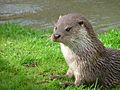
The Eurasian otter is a near-threatened species.
-
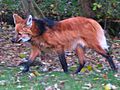
The maned wolf is near-threatened, mainly due to its habitat being lost.
-
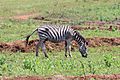
Plains zebras are listed as 'near threatened' by the IUCN.
-
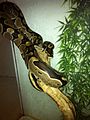
The ball python became near-threatened because of illegal trade.
-
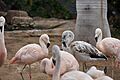
The Chilean flamingo was listed as "Near-threatened" in 2018.


See also
 In Spanish: Especie casi amenazada para niños
- IUCN Red List near threatened species
