
Plug-in hybrid facts for kids
.jpg)
.jpg)
_Plug-in_Hybrid_IMG_9905.jpg)
A plug-in hybrid electric vehicle (PHEV) is a special type of hybrid electric vehicle. It has a rechargeable battery that you can charge by plugging it into an electrical outlet, just like a phone! It also has a regular gasoline engine that can help charge the battery while you drive.
PHEVs are mostly passenger cars, but you can also find plug-in hybrid versions of sports cars, vans, trucks, buses, and even motorcycles.
These cars are great because they can use clean energy sources like solar power or wind power when you charge them. This means they can drive without creating any tailpipe pollution. PHEVs usually have a bigger battery than regular hybrids, letting you drive further on just electricity. This saves fuel and money! They also help reduce worries about running out of battery, known as range anxiety, because if the battery runs out, the gasoline engine takes over.
Mass-produced plug-in hybrids have been available since 2012 in places like China and the United States. By May 2024, BYD Auto was the largest plug-in hybrid vehicle manufacturer in the world. Its plug-in hybrid sales had passed 3.6 million units. China had the largest number of PHEVs in the world, with over 9.31 million units sold by December 2024.
Contents
How Plug-in Hybrids Started
The idea of hybrid cars is quite old! The very first hybrid electric car, the Lohner–Porsche Mixte Hybrid, was made way back in 1899. It could even be charged from an outside source. The term "plug-in hybrid" was later created by Professor Andrew Frank.

Interest in plug-in hybrids grew around 2002 as gas prices went up. Some early plug-in hybrids were regular hybrids that people changed to add bigger batteries. For example, CalCars converted a Toyota Prius in 2004 to add more battery power. In 2006, big car companies like Toyota and General Motors started planning their own plug-in hybrids.

The first mass-produced plug-in hybrid car sold to the public was the BYD F3DM in China in December 2008. Later, the Chevrolet Volt launched in the U.S. in December 2010. The Toyota Prius Plug-in Hybrid followed in Japan in January 2012. Many other car makers, like Mitsubishi with its Mitsubishi Outlander PHEV SUV, started making their own plug-in hybrids.
In recent years, many new plug-in hybrid models have come out. These include SUVs like the Toyota RAV4 Prime and minivans like the Chrysler Pacifica Hybrid. Car companies like BMW, Mercedes-Benz, and Hyundai Motor Group have also added many PHEV options to their lineups. By 2021, BYD Auto became the world's largest maker of these vehicles.
_China_(10).jpg)
In 2024, BYD Auto launched its fifth-generation plug-in hybrid technology, which offered even better fuel efficiency. Soon after, Geely released its own advanced plug-in hybrid system, leading to a friendly competition over which company had the most efficient engine.
How Plug-in Hybrids Work
Plug-in hybrids use different ways to combine their engine and electric motor.
- Series hybrid: The electric motor always drives the wheels. The gasoline engine acts like a generator to make electricity for the motor or battery.
- Parallel hybrid: Both the gasoline engine and the electric motor can power the wheels at the same time.
- Series-parallel hybrid: This type can switch between being a series or a parallel hybrid.
.jpg)
Charging Your PHEV
You can charge your PHEV using a special charger. Some cars have a charger built inside, which converts the electricity from your home outlet to power the battery. Other, more powerful chargers can be found at public charging stations.
Driving Modes
PHEVs have different ways of using their power:
- All-Electric Mode: When the battery is full, the car can drive using only electricity for a certain distance. This is called the all-electric range.
- Mixed Mode: The car uses a mix of electricity and gasoline for power.
- Gasoline-Only Mode: If the battery runs low, the gasoline engine takes over completely, just like a regular hybrid car.
- Battery Hold: This mode saves the battery charge for later, using only the gasoline engine.
- Self-Charge: The gasoline engine not only powers the car but also charges the battery while you drive. This uses more fuel but can be helpful if you can't plug in.
Storing Electric Power
PHEVs use special batteries, usually lithium-ion ones. These batteries are bigger than those in regular hybrids to allow for more electric driving. Car makers are always working to make batteries better, lighter, and more affordable.
Used car batteries can sometimes be given a second life! Power companies might use them to store energy for the electrical grid.
Who Buys Plug-in Hybrids?
PHEVs are great for people who want to drive on electricity for their daily trips but also need the flexibility of a gasoline engine for longer journeys. Many people drive less than 40 miles (64 km) each day. This means a PHEV can cover most of their daily driving using only electricity if charged regularly. This helps reduce worries about running out of battery on long trips, known as "range anxiety."

For example, a study in 2014 found that Chevrolet Volt owners drove about 62.5% of their trips using only electricity. This shows how much electric driving PHEVs can offer.
PHEVs vs. Regular Hybrids
Saving Fuel and Reducing Pollution
PHEVs can be very fuel-efficient because their gasoline engine doesn't have to work as hard or as often. When the car runs on electricity, it doesn't produce any tailpipe emissions. This means cleaner air in cities! The overall pollution depends on how the electricity is made (e.g., from wind power or coal).


For example, the 2011 Chevrolet Volt could get 93 miles per gallon equivalent (MPG-e) when running on electricity. It got 37 MPG in gasoline-only mode.
Running Costs
Driving a PHEV can save you money on fuel, especially if you charge it often and electricity is cheaper than gasoline. However, the car itself might cost a bit more upfront because of the larger battery. Over time, maintenance costs can also be lower because the engine is used less.
A 2014 study found that PHEVs saved about 60% in energy costs compared to regular gasoline cars. However, the extra cost of a large battery might not always be worth it unless there are special discounts.
Battery Costs
The cost of batteries has been going down a lot over the years. By 2025, lithium-ion battery packs cost about $108 per kilowatt-hour. Cheaper types like LFP batteries are becoming very popular, especially in China. LFP batteries avoid expensive metals like cobalt and nickel. They also last longer and are safer.
Even with lower battery costs, PHEV batteries can still be more expensive per unit of energy than those in fully electric cars. This is because they are smaller and need to deliver power quickly. Some car makers, like Toyota, believe it's better to use limited battery resources to make more regular hybrids. This way, more cars can reduce their emissions.
Emissions from Power Plants
When PHEVs use electricity, the pollution shifts from the car's tailpipe to the power plant that generates the electricity. If the electricity comes from clean sources like wind or solar, the PHEV is very environmentally friendly. If it comes from coal-fired plants, it might still create some pollution, but often away from cities.
Global Sales and Makers
Plug-in hybrids have become very popular around the world. The first mass-produced PHEV, the BYD F3DM, was sold in China in December 2008. Since then, millions of PHEVs have been sold globally. By the end of 2017, there were 1.2 million plug-in hybrid cars on the roads worldwide. This number grew to 1.8 million in 2018.

China is currently the biggest market for plug-in hybrids. Chinese companies like BYD Auto, Geely, Chery, Li Auto, and Changan Automobile are leading the world in making these vehicles. By 2024, BYD Auto's global market share for plug-in hybrids was 39.1%. While fully electric cars are also growing fast, plug-in hybrids continue to be a popular choice for many drivers.
Government Support
Many countries offer help to people who buy plug-in hybrid vehicles. These "incentives" can be things like tax credits or discounts on the purchase price. The goal is to encourage more people to choose cleaner cars.

- United States: The U.S. federal government offered tax credits for PHEVs until September 30, 2025. Some states, like California and Colorado, still have their own programs to help buyers.
- Canada: The Canadian federal government launched a program in February 2026. It offers up to CAD $2,500 for shorter-range plug-in hybrids and up to CAD $5,000 for longer-range ones.
- China: China used to offer direct subsidies, which ended in 2022. However, they still have purchase tax exemptions and trade-in programs. From January 1, 2026, PHEVs in China need to have at least 100 km (62 miles) of electric-only range to qualify for tax benefits.
- Japan: Japan's Clean Energy Vehicles program offers subsidies for PHEVs, up to ¥550,000 in 2024 and 2026.
- Europe: Many European countries, like Germany and France, used to offer purchase bonuses for PHEVs. However, many of these programs ended by 2023 or 2024.
- United Kingdom: The UK's Plug-in Car Grant for PHEVs ended in October 2018.
- Australia: Australia had a tax exemption for PHEVs until April 1, 2025.
Images for kids
-
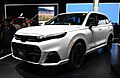
The Honda CR-V e:FCEV is a plug-in hybrid that uses a battery, an electric motor, a hydrogen tank, and a fuel cell.

See also
 In Spanish: Vehículo híbrido eléctrico enchufable para niños
- Extended-range electric vehicle
- Government incentives for plug-in electric vehicles
- Green vehicle
- History of the electric vehicle
- Plug-in electric vehicle (PEV)
- Plug-in Hybrid Electric Vehicle Research Center
- Range anxiety
- List of hybrid and plug-in hybrid vehicles
