
California Historical Landmarks in Fresno County facts for kids
Welcome, young historians! Did you know that California is full of amazing places that tell stories from the past? In Fresno County, there are several special spots called California Historical Landmarks. These landmarks are like important markers that help us remember significant events, people, or places that shaped our state's history. Let's explore some of these fascinating locations right here in Fresno County!
Contents
- Discovering History: California Landmarks in Fresno County
- Arroyo de Cantúa: A Historic Waterway
- Forestiere Underground Gardens: A Hidden Oasis
- Fort Miller: A Frontier Outpost
- Fresno City: The Original Settlement
- Fresno Free Speech Fight: Standing Up for Rights
- First Junior College in California: A Place for Learning
- Temporary Detention Camps: A Difficult Chapter in History
- Explore More History
Discovering History: California Landmarks in Fresno County
Arroyo de Cantúa: A Historic Waterway
The Arroyo de Cantúa, also known as Cantua Creek, is a significant historical landmark located near Coalinga. This area, found at Dorris Avenue and State Highway 33, marks an important waterway in Fresno County, California. Creeks and sloughs like this were vital for travel and life in early California. They helped shape the landscape and supported communities long ago.

Forestiere Underground Gardens: A Hidden Oasis
Imagine a beautiful garden built entirely underground! The Forestiere Underground Gardens in Fresno are a truly unique landmark. Located at 5021 West Shaw Avenue, these gardens were created by Baldassare Forestiere, an immigrant who dug them by hand over 40 years. He designed a cool, underground retreat with tunnels, courtyards, and fruit trees, perfect for escaping the hot California sun. It's also recognized on the National Register of Historic Places.

Fort Miller: A Frontier Outpost
Near Friant, within the Millerton Lake State Recreation Area, you can find the site of Fort Miller. This fort was an important military outpost in early California history. It was established to help keep peace and protect settlers in the region. Although the original structures might be gone, the location reminds us of the frontier days and the role of military forts in shaping the state.
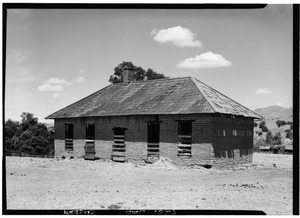
Fresno City: The Original Settlement
Did you know there was an "original" Fresno City? This historical site is located along the Fresno Slough near Tranquillity. This was one of the earliest settlements in the area that would later become Fresno County, California. It played a role in the development of the region before the modern city of Fresno was established. It's a reminder of how communities grow and change over time.
Fresno Free Speech Fight: Standing Up for Rights
In Fresno, at Mariposa Street and Congo Alley in the Fulton Mall (Fresno), there's a landmark marking the site of the Fresno Free Speech Fight. This event, involving the Industrial Workers of the World, was a significant moment in history where people stood up for their right to speak freely. It reminds us of the importance of freedom of speech and how people have worked to protect these rights throughout history.

First Junior College in California: A Place for Learning
The city of Fresno is home to another important educational landmark: the site of California's very first junior college! Located at Stanislaus Street and O Street, this spot marks where Fresno City College began. Junior colleges, now often called community colleges, provide important education and training after high school. This landmark celebrates the start of a new way for many Californians to continue their learning journey.
Temporary Detention Camps: A Difficult Chapter in History
During World War II, a challenging period in American history, two sites in Fresno County served as temporary detention centers for Japanese Americans. These were the Fresno Assembly Center, located at the Big Fresno Fairgrounds in Fresno, and the Pinedale Assembly Center, found at 625 West Alluvial Avenue in Pinedale. These landmarks remind us of a time when many Japanese Americans, including families and children, were moved from their homes and temporarily housed in these centers. It's a part of history that teaches us about civil rights and the importance of fairness for all people, even during times of conflict. Remembering these places helps us learn from the past.


Explore More History
