
National Register of Historic Places listings in Alamance County, North Carolina facts for kids

Welcome to Alamance County, North Carolina! This area is full of amazing places that have been around for a long time. These special spots are listed on the National Register of Historic Places. This is like a special list kept by the United States government. It helps protect buildings, sites, and objects that are important to history.
When a place is on this list, it means it's recognized for its historical, architectural, or archaeological importance. It's a way to make sure these cool places are saved for future generations to learn from and enjoy. In Alamance County, you can find many such places, from old battlegrounds to historic homes and even entire neighborhoods!
Contents
- What is the National Register of Historic Places?
- Cool Historic Places in Alamance County
- Alamance Battleground State Historic Site
- Alamance County Courthouse
- Alamance Hotel
- Elon College Historic District
- Glencoe Mill Village Historic District
- Johnston Hall (Elon, North Carolina)
- Lakeside Mills Historic District
- Oneida Cotton Mills and Scott-Mebane Manufacturing Company Complex
- Southern Railway Passenger Station (Burlington, North Carolina)
- St. Athanasius Episcopal Church and Parish House and the Church of the Holy Comforter
- US Post Office (Burlington, North Carolina)
- White Furniture Company
- More Historic Places
- Images for kids
What is the National Register of Historic Places?
The National Register of Historic Places is the official list of the nation's historic places worth saving. It's part of a program by the National Park Service. This program helps people understand and protect important parts of American history. Being on the list can also help owners get grants or tax breaks to fix up and preserve their historic properties.
Why are places added to the list?
Places are added to the National Register for many reasons. They might be important because:
- Something big happened there.
- A famous person lived or worked there.
- They show a special style of building or design.
- They can teach us about how people lived long ago.
Historic Districts Explained
Sometimes, not just one building, but a whole group of buildings or an area is listed. This is called a historic district. These districts are special because they show how a community grew over time. They often have many buildings that share a similar style or were built around the same period. Protecting a historic district helps keep the unique look and feel of a neighborhood.
Cool Historic Places in Alamance County
Alamance County has many interesting places on the National Register. Let's explore a few of them!
Alamance Battleground State Historic Site

The Alamance Battleground is a very important place in North Carolina's history. It's where the Battle of Alamance happened on May 16, 1771. This battle was between the British governor's army and a group of local farmers called the Regulators. The Regulators were unhappy with unfair taxes and corrupt officials. This event is often seen as one of the first sparks of the American Revolution. Today, you can visit the site and learn about this early fight for freedom. It was added to the National Register in 1970.
Alamance County Courthouse

The Alamance County Courthouse is a beautiful building in Graham. It's located right in the center of Courthouse Square. This building has been a key part of the county's government and legal system for many years. Its architecture shows the style of public buildings from when it was built. It was added to the National Register in 1979.
Alamance Hotel

The Alamance Hotel is a landmark in Burlington. Located at Maple Avenue and South Main Street, it was once a grand hotel. Hotels like this were important places for travelers and for community events. They often showed off the best building styles of their time. The Alamance Hotel was listed in 1984.
Elon College Historic District

The Elon College Historic District is centered around Elon University in Elon. This district includes many of the older buildings on the university campus. These buildings show the history and growth of the college over the years. The Alamance Building, pictured here, is a notable part of this historic area. This district was added to the National Register in 1988.
Glencoe Mill Village Historic District

The Glencoe Mill Village Historic District is a fascinating look into the past of textile manufacturing. It's located off NC 62 near the Haw River in Glencoe. A mill village was a community built around a textile mill, where workers lived and worked. This district includes the old mill buildings and the homes where the mill workers lived. It shows how these industrial communities were set up. It was listed in 1979.
Johnston Hall (Elon, North Carolina)

Johnston Hall is another important building at Elon University. It's located on Antioch Street. This building is a key part of the university's history and its architectural style. It was recognized for its significance and added to the National Register in 1994.
Lakeside Mills Historic District
.jpg)
The Lakeside Mills Historic District in Burlington is another example of a historic mill village. It includes several streets with homes and buildings connected to the old Lakeside Mills. These districts are important because they tell the story of how industries like textile manufacturing shaped towns and the lives of people. This district was listed in 1984.
Oneida Cotton Mills and Scott-Mebane Manufacturing Company Complex
.jpg)
The Oneida Cotton Mills and Scott-Mebane Manufacturing Company Complex is located in Graham. This site includes buildings from two different cotton mills. These mills were a big part of the local economy and provided many jobs. They show the industrial heritage of the area. This complex was added to the National Register in 2014.
Southern Railway Passenger Station (Burlington, North Carolina)
The Southern Railway Passenger Station in Burlington is a historic train station. Train stations were once bustling hubs of activity, connecting towns and cities. They were important for travel and for moving goods. This station, located at Main and Webb Streets, is a reminder of the golden age of train travel. It was listed in 1980.
St. Athanasius Episcopal Church and Parish House and the Church of the Holy Comforter

This listing includes two historic churches in Burlington: St. Athanasius Episcopal Church and the Church of the Holy Comforter. Churches are often central to a community's history, serving as places of worship and gathering. These buildings show different architectural styles and the religious history of the area. They were added to the National Register in 1979.
US Post Office (Burlington, North Carolina)

The US Post Office building in Burlington is located on South Spring Street. Post offices are important public buildings that have served communities for a long time. They were vital for communication and connecting people across distances. This building's design reflects the style of government buildings from its era. It was listed in 1988.
White Furniture Company
.jpg)
The White Furniture Company building in Mebane is a significant industrial site. Located at East Center and North 5th Streets, this company was a major furniture manufacturer. It played a big role in the economy of Mebane and the surrounding region. The building itself tells a story of American industry and craftsmanship. It was added to the National Register in 1982.
More Historic Places
Alamance County is home to many more historic places! These include old homes, farms, schools, and other important buildings. Each one has a unique story to tell about the past. Exploring these sites helps us understand the rich history of North Carolina.
Images for kids
-
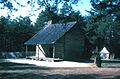
The Allen House in Burlington.
-
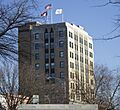
The Atlantic Bank and Trust Company Building.
-
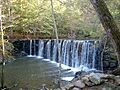
A waterfall at Cedarock Park Historic District.
-
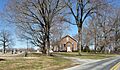
Cross Roads Presbyterian Church.
-
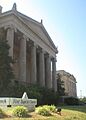
First Baptist Church in Burlington.
-
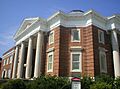
First Christian Church of Burlington.


