
Dusky brocade facts for kids
Quick facts for kids Dusky brocade |
|
|---|---|
 |
|
 |
|
| Scientific classification |
The Dusky Brocade (scientific name: Apamea remissa) is a type of moth. It belongs to a family of moths called Noctuidae.
You can find this moth in many places around the world. It lives across Europe and Turkey. It also spreads across parts of Asia, like Siberia, Manchuria, and Japan. This moth has even been seen as far away as Alaska!
Some scientists think another moth, Apamea indocilis, is a very close relative. They believe it might even be a subspecies of the Dusky Brocade.
Contents
What Does the Dusky Brocade Look Like?
The Dusky Brocade moth has a wingspan of about 36 to 42 millimeters. That's about the length of two small paperclips!
Moths with clear patterns are easy to spot. But some Dusky Brocades have faint patterns. This can make them hard to tell apart from other similar moths.
Forewings and Markings
The front wings, called forewings, are usually a pale grayish-brown color. They have darker markings on them. You might see a large blackish mark near the bottom edge of the wing. There are also two spots near the outer edge.
The difference between the light background and the dark markings is quite clear. The lighter parts are often a pale gray, sometimes with a reddish tint. The darker markings are a blackish-brown color. You might also notice some black, wedge-shaped marks before a lighter line on the wing. The upper spots on the wings are usually whitish.
Hindwings
The back wings, called hindwings, are grayish. They have darker lines that look like veins.
Life and Habits of the Dusky Brocade Moth
This moth is active at night. It likes to fly around when it's dark.
The Dusky Brocade moth is attracted to light. It also enjoys sweet things like sugar and nectar from flowers. In places like the British Isles, you can often see these moths flying in June and July.
What Do Larvae Eat?
The young form of the moth, called a larva (or caterpillar), eats different kinds of grasses. Some of its favorite foods include reedgrasses, tussock grasses, fescues, canarygrasses, and ryes.
The Dusky Brocade moth spends the winter as a larva. It will keep eating during mild weather, even in the colder months.
Images for kids
-
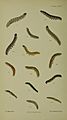
Figs 2 larva before last moult 2a larva after last moult

