
List of historic properties in Clifton, Arizona facts for kids
Quick facts for kids
List of historic properties
in Clifton, Arizona |
|
|---|---|

Historic Chase Creek Street
|
|

Map of Clifton in the Greenlee County of the state of Arizona
|


This article shares a photo collection of old buildings, homes, bridges, and monuments in the mining town of Clifton. Clifton is located in Greenlee County, Arizona.
A special area called the Clifton Townsite Historic District is listed on the National Register of Historic Places. This means it's an important place with a lot of history. Some of these old buildings are found in the historic Chase Creek Commercial District. Others are on Coronado Trail and Park Avenue. You'll also see pictures of the town's flood gates, which protect South Clifton from floods, the unique Clifton Cliff Jail, and an old "Baby-gauge" train called "Number 8" that was used in the mines.
Contents
Clifton's Past: A Journey Through Time
Clifton has a long and interesting history. Long ago, ancient people lived here. Archaeologists have found pottery and stone tools from cliff dwellings along the San Francisco River. These findings show that advanced civilizations, like the Anasazi, lived here hundreds of years before European explorers arrived.
Early Explorers and Native Americans
In the 1500s, Spanish explorers like Fray Marcos de Niza and Francisco Vasquez de Coronado passed through this area. Coronado was looking for the legendary Seven Golden Cities. He led an expedition through what is now Clifton.
Later, two main Native American tribes lived here. They called themselves Dineh, meaning "the people." Those in the north became the Navajo, and those in the south became known as Apaches. The Apaches were strong hunters and gatherers.
Becoming Part of the United States
In 1821, Mexico gained independence from Spain. The land that is now Arizona and New Mexico became part of "New Mexico." In the 1800s, beaver fur hats were very popular. Trappers, led by James Ohio Pattie, explored the San Francisco River in 1824 and 1825, looking for beavers.
Later, in 1845, a war broke out between Mexico and the United States, called the Mexican–American War. After the war, in 1848, the United States took control of the land north of the Gila River, including parts of Arizona. This was part of the Treaty of Guadalupe Hidalgo.
Mining and Growth in Arizona
In 1856, soldiers chasing Apaches found the first minerals in the Clifton area. This led to conflicts between the Apaches and new settlers, known as the Apache Wars, which lasted 26 years.
Mining for gold and silver began in 1864. Copper mining started in 1872. Clifton officially became a town in 1873 because of the mining boom. In 1874, the Longfellow Copper Mining Company built a smelter. Other big mining companies, like the Arizona Copper Company, also started here.
In 1881, the famous Clifton Cliff Jail was built. The Lesinsky brothers, who owned a mining business, hired a stonemason named Margarito Varela to build it.
As Clifton grew, it also had some tough characters. There were stories of outlaws and daring events. In 1909, Greenlee County was created, named after an early settler, Mason Greenlee. Clifton was chosen as the county seat.
Challenges and Changes in Clifton
Clifton faced many challenges. In 1903, a big flood caused a lot of damage and loss. Heavy rain made the San Francisco River overflow, tearing through the town. In 1913, a terrible fire on Chase Creek Street destroyed many buildings and caused a lot of damage. The Cascarelli Building, which was the only three-story building on the street, was rebuilt as a two-story building.
Greenlee County Historical Society
The Greenlee County Historical Society is located in the Eagle Hall building, now called the Greenlee Historical Museum Building. It was built in 1913 by Antonio and Ambrose Spezia. The society works to collect and save important historical items from Greenlee County and Arizona. They want to share this history with everyone, now and in the future.
Two specific buildings in Clifton are listed on the National Register of Historic Places (NRHP):
- The Park Avenue Bridge (Zorilla Street Bridge) was added on September 30, 1988.
- The Clifton Casa Grande was added on June 26, 1979.
On March 1, 1990, the entire Clifton Townsite was recognized as a historic district by the NRHP. This means the area is important for its history, architecture, and events from 1850 to 1949.
Historic Places in Clifton
Clifton has many historic buildings and sites. Let's explore some of them!
Chase Creek Street Buildings
Chase Creek Street was originally called Copper Avenue. Many old businesses here are part of the Historic Chase Creek Street District. The addresses listed are the original ones.
- Granny's Attic – built in 1930.
- Restaurant/Shoe Repair – built in 1910.
- Woodmen of the World building – built in 1910.
- Chase Creek Marketplace – built in 1890, originally a barber shop.
- The Hollywood Shop – built in 1950.
- Zorrilla's Meat Market – built in 1893 by two brothers.
- Billiard Hall – built in 1893, now houses the Headframe Apothecary.
- La Feria – Rafael Valdz – built in 1906.
- Saloon – built in 1913.
- Jewelry Store – built in 1904.
- J.C. Penney Store – an old department store.
- Dry Goods Store/Farmer's Market – a place for various goods.
- Gatti Meat Market Building – built in 1914.
- The Cascarelli Building – built in 1913. It was once the only three-story building on Chase Creek.
- The Lyric Theater ruins – the remains of an old theater from a century ago.
- ABC Market – an old market.
- Eagle Hall-Greenlee Historical Museum Building – built in 1913 by the Spezia Brothers. It was used for meetings and dances.
- Villesca's House – built in 1918, once had an open-air vegetable market.
- Zappia Bakery flour warehouse – Rocco Zappia's flour warehouse, where he also had an apartment.
- Picken-Anderson Overland Car Agency – an old car agency.
- Antonio Spezia's Hay & Grain Store – built in 1913.
- Laundromat/Drug Store – built in 1913.
- Sacred Heart Catholic Church – built in 1917.
- Claude Hooker House – built in 1896, home of a local attorney.
- Antonio Spezia House – built in 1918. Antonio Spezia was a major business owner in Chase Creek.
- Ambrose Spezia's "Cave Bar" – built in 1911, originally a whiskey warehouse.
- Doctor Harle's Office/Mexican Consulate – built in 1918.
- Clifton Social Club – built in 1913, originally a dry goods store.
- Clifton Union Hall – built in 1916.
- Drug Store/Law Office – built in 1913.
- Old Buffet Bar – built in 1897, a saloon.
- Greenlee Restaurant – built in 1907, once a tailor and barber shop.
- Jim Sing's Chop House – built in 1907.
- Storefront and living quarters – built in 1906.
- Freddy Fritz Youth Park – established in 1984.
- Clifton Cliff Jail – built in 1881. This jail was carved right into the side of a cliff! The first person to be held there was Margarito Varela, the miner who built it.
- Palacio House – built in 1917. The garages of this house were once classrooms for Clifton's third Catholic Church.
- Historic Chase Creek Street buildings
-
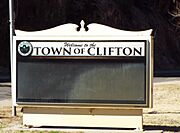
Welcome to Clifton, Arizona
-
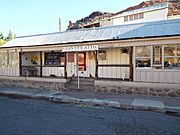
Granny's Attic – 1930
-
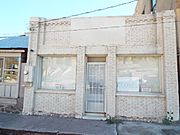
Restaurant/Shoe Repair – 1910
-
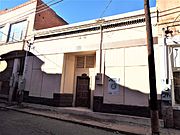
Woodmen of the World building – 1910
-
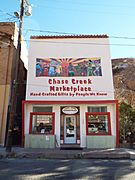
Chase Creek Marketplace – 1890
-
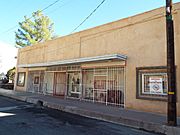
The Hollywood Shop – 1950
-
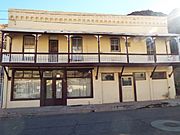
Zorrilla's Meat Market – 1893
-
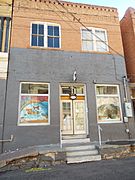
La Feria – Rafael Valdz – 1906
-
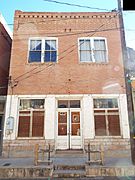
Saloon – 1913
-
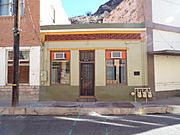
Jewelry Store – 1904
-
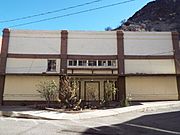
J.C. Penney Store
-
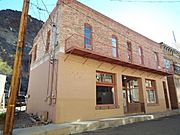
Dry Goods Store/Farmer's Market
-
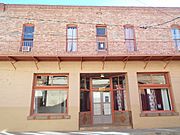
Front view of the Dry Goods Store/Farmer's Market
-
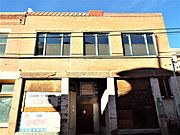
Gatti Meat Market – 1914
-
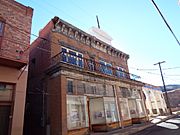
Cascarelli Building – 1913
-
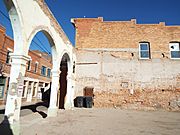
Lyric Theater ruins
-
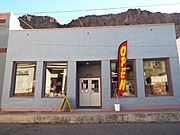
ABC Market
-
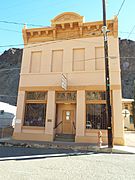
Eagle Hall-Greenlee Historical Museum Building – 1913
-
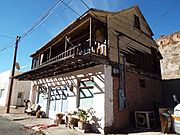
Villesca's House – 1918
-
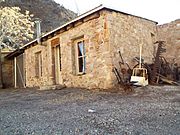
Zappia Bakery flour warehouse
-
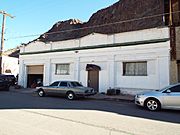
Picken-Anderson Overland Car Agency
-
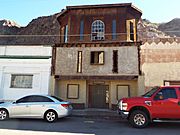
Antonio Spezia's Hay & Grain Store – 1913
-
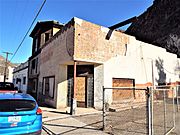
Laundromat/Drug Store – 1913
-
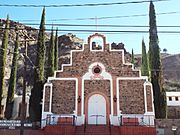
Sacred Heart Catholic Church – 1917
-
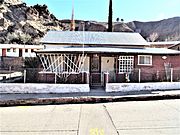
Claude Hooker House – 1896
-
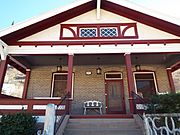
Antonio Spezia House – 1918
-
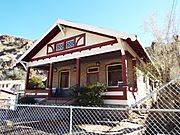
Different view of the Antonio Spezia House – 1918
-
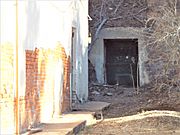
Ambrose Spezia's "Cave Bar" – 1911
-
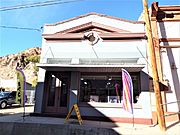
Doctor Harle's Office/Mexican Consulate – 1918
-
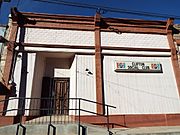
Clifton Social Club – 1913
-
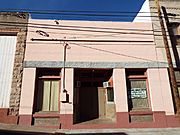
Clifton Union Hall – 1916
-
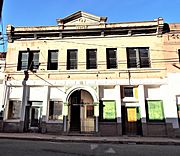
Drug Store/Law Office – 1913
-
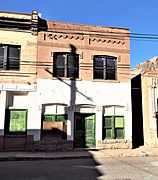
Old Buffet Bar – 1897
-
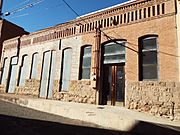
Greenlee Restaurant – 1907
-
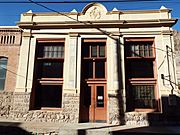
Jim Sing's Chop House – 1907
-
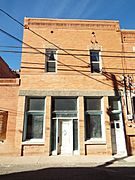
Storefront and living quarters – 1906
-
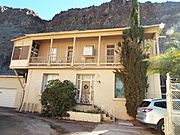
Palacio House – 1917
-
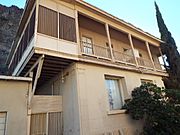
Different view of the Palacio House


- Historic Clifton Cliff Jail
-
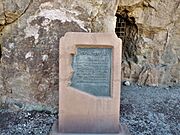
Clifton Cliff Jail marker
-
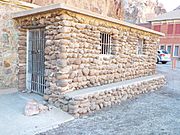
Jail main entrance
-
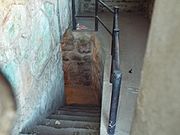
Inside the jail main entrance
-
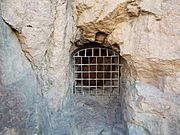
Clifton Cliff Jail Air hole
-
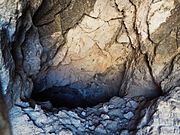
View inside the air hole


Park Avenue Landmarks
Park Avenue was once called Conglomerate Avenue. Here are some of its historic buildings:
- Clifton Railroad Bridge – built in 1901 over the San Francisco River.
- Park Avenue Bridge (Zorilla Street Bridge) – built in 1918 over the San Francisco River. It's a steel bridge with a wood plank road.
- Clifton Smelter ruins – the remains of the first smelter, built in 1873.
- Clifton Smelter Cave – used by smelter workers in the 1800s to get to town.
- Clifton Casa Grande – built in 1874 by Henry Lesinsky.
- The Blue Door Sanctuary – built in 1912, it was first a church, then a Masonic lodge.
- Town Hall – built in 1920, it was the center of Clifton's government for many years.
- Clifton Amphitheater – built in 1913.
- Hampton Block Building – built in 1890, named after prominent businessmen. It once housed county offices.
- Pascoe Undertaking and Funeral Parlor – built in 1917.
- Clifton Hotel – built in 1881, the first hotel in town.
- Clifton Hot Springs & Spa – built in 1929.
- James Colquhoun House – built in 1900. James Colquhoun was the president of the Arizona Copper Company.
- P & H Model 1800 Excavator Shovel #11 – built in 1959. This huge mining shovel is now on display.
- Historic Park Avenue
-
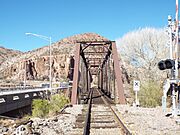
Clifton Railroad Bridge
-
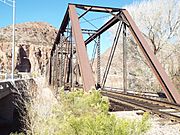
Railroad Bridge – 1901
-
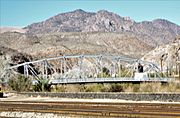
Park Avenue Bridge (Zorilla Street Bridge) – 1918
-
Different view of the Park Avenue Bridge (Zorilla Street Bridge)
-
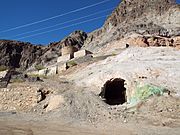
Clifton Smelter ruins and Cave
-
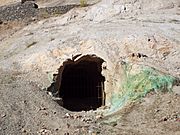
Clifton Smelter Cave
-
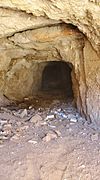
Inside the Clifton Smelter Cave
-
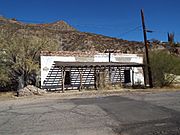
Clifton Casa Grande – 1894
-
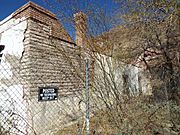
Side view of the Clifton Casa Grande
-
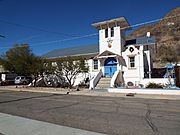
Blue Door Sanctuary – 1912
-
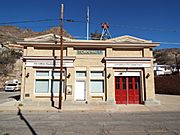
Town Hall – 1920
-
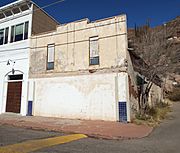
Clifton Amphitheater – 1913
-
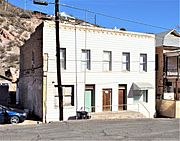
Hampton Block Building – 1890
-
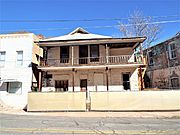
Pascoe Undertaking and Funeral Parlor – 1917
-
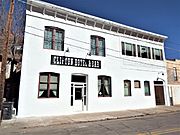
Clifton Hotel – 1881
-
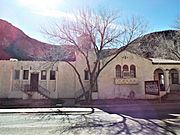
Clifton Hot Springs & Spa – 1929
-
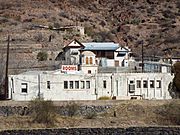
Rear view of the Clifton Hot Springs & Spa – 1929
-
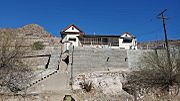
James Colquhoun House – 1900
-
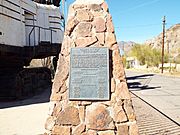
P & H Model 1800 Excavator Shovel #11 marker
-
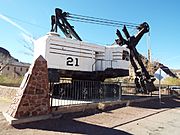
P & H Model 1800 Excavator Shovel #11 – built in 1959


Coronado Trail (Boulevard) Sites
Coronado Trail was once called Route 666. Here are some historic places along this road:
- Flood Gates – built in the early 1990s to protect South Clifton from floods.
- Clifton Railroad Depot – built in 1913, now Clifton's Visitor Center.
- People Bank and Trust – built in 1917.
- Arizona Copper Company Offices – built in 1904.
- Old House – built in 1910.
- Hotel Reardon – built in 1913.
- Historic Coronado Trail
-
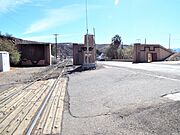
Flood Gates
-
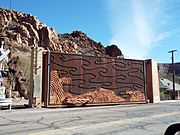
Flood Gates
-
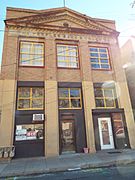
People Bank and Trust – 1917
-
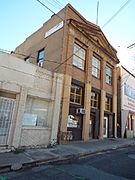
People Bank and Trust
-
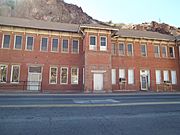
Arizona Copper Company Offices – 1904
-
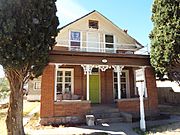
Old House – 1910
-
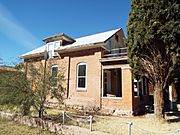
Different view of the Old House – 1910
-
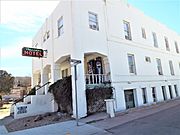
Hotel Reardon – 1913
-
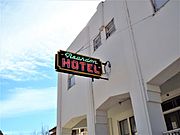
Hotel Reardon sign
-
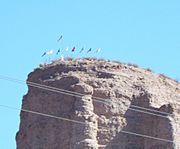
Mares Bluff Veterans Memorial Flags


- Historic Clifton Railroad Depot
-
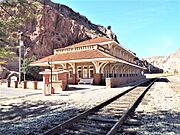
Clifton Railroad Depot
-
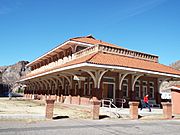
Clifton Railroad Depot – 1913
-
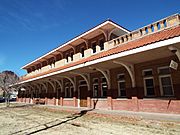
Clifton Railroad Depot – 1913


Other Important Buildings and Memorials
Here are more historic buildings and the Mares Bluff Veterans Memorial Flags:
- Greenlee County Courthouse – built in 1912.
- Greenlee County Jail – built in 1912.
- Clifton High School Sports Complex – built in 1917. It has a tennis court and a gym.
- Clifton Grocery Store – built in 1900.
- Storage and Livery – built in 1890.
- Old Arizona Copper Co. Smelter Power House – built in 1897. This old powerhouse is part of the Clifton Townsite Historic District.
- Mares Bluff Veterans Memorial Flags – a memorial site in South Clifton. It has over 2,000 replica dog tags honoring veterans from different wars and times of peace.
- Other historic buildings
-
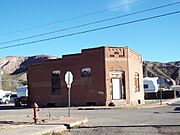
Clifton Grocery Store
-
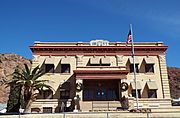
Greenlee County Courthouse – 1912
-
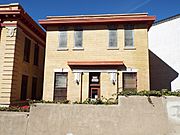
Greenlee County Jail – 1912
-
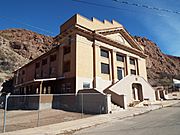
Clifton High School Sports Complex – 1917
-
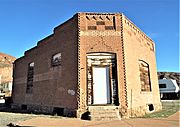
Clifton Grocery Store – 1900
-
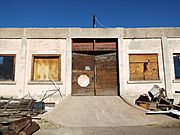
Storage and Livery – 1890
-
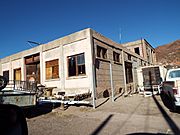
Different view of the Storage and Livery
-
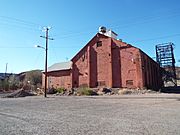
Old Arizona Copper Co. Smelter Power House – 1897
-
Mares Bluff Veterans Memorial Flags


The "Copperhead" Locomotive
The Baby-gauge “Number 8” locomotive, also called “Copperhead,” was the first small-gauge train to arrive in Arizona in 1897. It was called "baby gauge" because its tracks were only 20 inches wide, much narrower than regular train tracks (which are 56.5 inches wide). This locomotive used to pull ore trains from the Metcalf mines for the Arizona Copper Company. It stopped working in 1922. A Clifton resident and former train engineer, Tommy Sidebotham, bought and fixed up the "Copperhead." You can see it on display next to the Clifton Cliff Jail.
- Historic Baby-gauge “Number 8” locomotive "Copperhead"
-
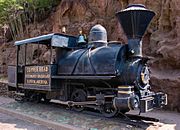
Copperhead “Number 8” locomotive – 1897
-
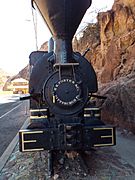
Front of Copperhead
-
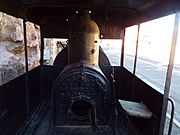
Inside Copperhead


Images for kids
-
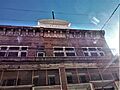
Cascarelli Building
-
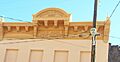
Eagle Hall
-
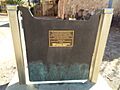
180 pound copper sheet in Case Creek Street
-
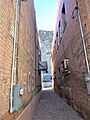
Alley between Chase Creek Street and Palacio Dr.
-
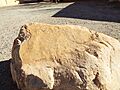
Stone where Ike Stevens, a friend of Mason Greenlee, chiseled "1884 Stevens"

.jpg)


See also
