
Silt facts for kids

Silt is a tiny grainy material made of broken bits of rock, mostly quartz. It is smaller than grains of sand, but larger than bits of clay. When dry, silt feels soft and powdery like flour. When wet, it does not stick together well like clay does. Silt makes up about 45% of average modern mud.
Contents
How Silt Forms

Silt forms when rocks undergo weathering and are broken down into tiny pieces. Huge glaciers can crush stones into a fine powder called rock flour. In dry deserts, strong dust storms slam quartz grains together until they shatter into tiny bits. Fast-flowing water also rubs rocks together through natural abrasion, wearing them down over long periods of time.
Where Silt Is Found

Silt is very common around the world, especially in a river delta where rivers slow down. Thick layers of silt are found along the Nile, the Niger River, and the Ganges in Bangladesh. Over time, layers of silt can turn into a solid sedimentary rock called siltstone.
Why Silt Matters
Great Soil for Farming
A special, silt-rich soil called loess creates some of the best farmland in the world. Thousands of years ago, yearly floods left rich silt along the riverbanks to help feed Ancient Egypt.
Challenges for Builders
Silt washes away easily through erosion. It also collapses easily when soaked with water. Builders must be very careful, because silty ground can act like liquid during earthquakes in a process called liquefaction. Silt from farm fields can also wash into rivers, causing water pollution known as siltation.
Images for kids
-

Windblown silt in Canada
-
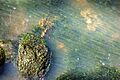
Stream carrying silt in Sweden
-
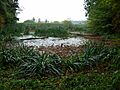
Silted lake in Germany
Related pages
- Sediment control
- Soil
See also
 In Spanish: Limo para niños
