
Prairie facts for kids


Prairies are amazing natural areas. They are like huge, flat, or gently rolling grasslands. You will find mostly grasses, wildflowers, and small shrubs there. Trees are not common in prairies. These areas have a moderate climate and get a medium amount of rain.
Prairies are a type of grassland ecosystem. Similar grasslands exist around the world. For example, the Pampas are in South America. The steppe is found in parts of Europe and Asia. The word "prairie" comes from French. It mostly describes grasslands in North America. These include parts of Canada, the United States, and Mexico.
In the U.S., prairies stretch across many states. These include North Dakota, South Dakota, Nebraska, Kansas, and Oklahoma. You can also find them in parts of Montana, Wyoming, Colorado, New Mexico, and Texas. To the east, they are in Minnesota, Wisconsin, Iowa, Missouri, Illinois, and Indiana. Canada's prairies cover large areas of Manitoba, Saskatchewan, and Alberta.
Prairies are full of life. They have many different plants and animals. Their soil is often very rich. This rich soil is kept healthy by all the different living things.
Contents
What Does "Prairie" Mean?

The word "prairie" comes from the French language. It means "meadow." Early European settlers in North America saw these vast grasslands. They were different from the forests they knew. So, they used the French word to describe them. The word "prairie" comes from the Latin word pratum, which also means meadow.
How Prairies Were Formed

Prairies were shaped by powerful natural forces. These forces worked over thousands of years.
The Role of Glaciers
Long ago, huge sheets of ice called glaciers covered much of North America. These glaciers moved slowly, scraping the land. They picked up rocks and soil. When the glaciers melted, they left behind this material. This created the flat, rich soil found in many prairies today. Wind also helped by depositing fine dust, called loess, which added to the fertile soil.
Fire and Grazing Animals
Prairies also developed with the help of fire and large grazing animals. Animals like bison, elk, and white-tailed deer roamed these lands. They ate the grasses and helped keep the prairie open.
Native peoples also used fire regularly. They set controlled fires to help with hunting and travel. These fires were very important for the prairie. Fire helps remove dead plants and stops trees from growing too much. Prairie plants have deep roots. These roots help them survive fires and grow back quickly. Without these fires and grazing, trees would take over the grasslands.
Life in the Prairie Ecosystem


Prairies are home to an incredible variety of life. They are often divided into different types. These include tallgrass prairie, shortgrass prairie, and mixed-grass prairie. Tallgrass prairies get more rain. Shortgrass prairies are much drier.
Amazing Prairie Plants
Grasses are the most common plants in prairies. There can be 40 to 60 different kinds of grasses. Prairies also have hundreds of types of beautiful wildflowers. Some important prairie grasses are Indian grass, big bluestem, and switchgrass.
Fires are natural and important for prairies. They help clear out old plants. This allows new plants to grow. Fires also stop trees from growing too tall and blocking sunlight.
Wonderful Prairie Animals
Prairies are also home to many animals. For example, the Konza Prairie in Kansas has over 250 plant species. It also supports 208 types of birds, 27 mammals, 25 reptiles, and more than 3,000 kinds of insects!
Bison are very important prairie animals. They help the ecosystem by grazing on grasses. Their hooves also disturb the soil. This helps new plants grow. Bison droppings add nutrients to the soil. They also help spread seeds. Many insects, like dung beetles, depend on bison droppings.
Protecting Prairies
Prairies are very strong ecosystems. Their deep grass roots hold the soil tightly. This prevents soil from washing away, even during heavy rains. These roots also help plants find water during dry spells.
The Dust Bowl Disaster
However, prairies can be damaged. In the past, many tallgrass prairies were plowed for farming. This destroyed the strong root systems of the native grasses. When severe droughts hit in the 1930s, the soil became very dry. Strong winds then picked up the loose soil. This created huge dust storms. This event was called the Dust Bowl. It was a terrible environmental disaster. It caused many people to leave their homes. This showed how important prairie grasses are for protecting the land.
How People Use Prairies
For thousands of years, people have lived on and used the prairies.
Hunting on the Plains
Native peoples of the plains were skilled hunters. They hunted large animals like bison. They used methods like driving bison into fenced areas. They also guided them off cliffs, called buffalo jumps. This allowed them to hunt many animals at once.
Later, horses and guns changed hunting practices. This led to a huge decrease in bison numbers. From millions, their population dropped to just a few hundred. Efforts are now made to help bison populations recover.
Farming and Ranching

Early European settlers found prairie soil very dense. Their wooden plows struggled with it. In 1837, John Deere invented a steel plow. This new plow could cut through the tough prairie soil. This made the fertile prairie lands ready for farming. Today, former grasslands are some of the best farmlands.
Most of the original tallgrass prairie is now farmland. Less than 1% of it remains. States like Iowa and Illinois are now part of the "Corn Belt." They are known for their highly productive farms. Drier shortgrass prairies were once used for ranching. With new tools like barbed wire and irrigation, these areas also became farmlands.
Prairies for Clean Energy

Scientists are studying prairie plants for biofuel. Biofuels are fuels made from plants. Research shows that diverse prairie plants can help reduce global warming. They remove carbon dioxide from the air. These plants can grow on less fertile soil. This leaves good farmland for growing food. Prairie grasses are not eaten by humans. This makes them a good choice for fuel. Some plants used include big bluestem and switchgrass.
Saving Prairie Lands
Because prairie land is so good for farming, very little of the original tallgrass prairie remains. However, more shortgrass prairie still exists.
Many places are working to protect prairies. These include:
- American Prairie in Montana
- Cypress Hills Interprovincial Park in Alberta and Saskatchewan
- Grasslands National Park in Saskatchewan
- Konza Prairie in Kansas
- Midewin National Tallgrass Prairie in Illinois
- Tallgrass Prairie National Preserve in Kansas
- Tallgrass Prairie Preserve in Oklahoma
What is a Virgin Prairie?
A virgin prairie is land that has never been plowed. These are very rare today. They are important because they show us what prairies were like long ago. Restored prairies are areas that have been replanted after being disturbed.
Creating a Prairie Garden
A prairie garden is a garden that mostly uses plants found in prairies. This is a way to bring a piece of the prairie to your home or school.
Images for kids
-

A large area with fertile soil is a good habitat for prairie dogs.
-
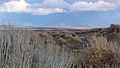
View of sand dunes and vegetation at Fossil Lake, with the Christmas Valley Sand Dunes, Feb. 21, 2017

.jpg)
See also
 In Spanish: Praderas de Norteamérica para niños
- Prairies Ecozone
- Interior Plains
- Canadian Prairies
- Geography of North America
- North American Prairies province
- Aspen parkland
- Buffalo Commons
- Coastal plain
- Coastal prairie
- Dust Bowl
- Field
- Flooded grasslands and savannas
- Flood-meadow
- Grassland
- Heath
- Meadow
- Outback
- Pampas
- Pasture
- Plain
- Prairie dog
- Prairie madness
- Prairie restoration
- Puszta
- Rangeland
- Savanna
- Steppe
- Switchgrass
- Temperate grasslands, savannas, and shrublands
- Veld
- Water-meadow
- Wet meadow
