
Solar panel facts for kids


A solar panel is a device that turns sunlight into electricity. It is made up of many smaller units called solar modules, which contain photovoltaic (PV) cells. The word "photovoltaic" comes from "photo" (meaning light) and "volt" (a unit of electricity).
When light hits these cells, materials inside them create tiny particles called electrons. These electrons move through a circuit to create direct current (DC) electricity. This is the same kind of power stored in batteries. To use this power in our homes, a device called an inverter changes it into alternating current (AC) electricity.
Solar panels are often connected together in groups called arrays. They are a popular way to generate clean energy because they do not produce pollution while working. They are used on house roofs, in large solar farms, and even on satellites in space.
Contents
History of Solar Energy
Early Discoveries
The idea of getting electricity from light started a long time ago. In 1839, a French physicist named Edmond Becquerel discovered that some materials could make an electric spark when hit by sunlight. This was the first step toward modern solar power.
Later, in the 1870s, scientists like Willoughby Smith and William Grylls Adams found that the element selenium reacted to light. In 1881, an American inventor named Charles Fritts made the first solar cell using selenium and gold. It worked, but it did not make enough power to be very useful.
Modern Solar Cells
The solar panels we use today began in 1939 with Russell Ohl. He created a new design that was patented in 1941. In 1954, scientists at Bell Labs used this design to make the first practical silicon solar cell. This invention could power small electric devices.
Growth and Popularity


For many years, solar panels were very expensive and mostly used for space satellites. However, the cost has dropped by a huge amount since 2010. This made solar power much more affordable for homes and businesses.
Between 1992 and 2023, the use of solar power grew very fast. By the end of 2022, solar panels produced over 6% of the world's electricity. Many countries, especially in the Global South, are switching to solar energy to save money and reduce reliance on expensive fuels.
How Solar Panels Work

The Science Inside
Solar panels are made of semiconductor materials, usually silicon. When sunlight hits the silicon cells, it knocks electrons loose from their atoms. This flow of electrons creates an electric current. This process is called the photovoltaic effect.
Connecting the Parts
A single solar cell does not make much power on its own. To make a useful amount of electricity, many cells are connected together to form a module.
- Series connection: Cells are linked in a chain to increase voltage.
- Parallel connection: Chains are linked side-by-side to increase current (amperes).
These modules are then put into a frame to make a solar panel. The front is covered with glass to protect the cells from rain and hail. A junction box on the back allows wires to connect the panel to the rest of the system.
Smart Solar Panels

Some modern panels are "smart." They have small computers or electronics built into them. These devices help the panel work better if part of it is shaded by a tree or cloud. They can also send data to a phone or computer so the owner knows how much power is being made.
Types of Solar Technology

Crystalline Silicon
Most solar panels (about 95%) are made from crystalline silicon. There are two main types:
- Monocrystalline: Made from a single crystal structure. They are very efficient and look dark black.
- Polycrystalline: Made from many silicon crystals melted together. They often look blue and speckled.
Thin-Film Panels
These panels are made by placing a very thin layer of photovoltaic material onto glass, plastic, or metal. They can be flexible and lightweight, but they usually need more space to produce the same amount of power as silicon panels.
Bifacial Panels
Bifacial means "two-faced." These panels can collect light on both the front and the back. The back side catches light that reflects off the ground or a white roof. This helps them generate more electricity than standard panels.
Installation and Mounting

Solar panels need to be pointed at the sun to work best. In the Northern Hemisphere, they usually face south. In the Southern Hemisphere, they face north.
Ground Systems


Large solar farms often put panels on the ground. They use metal racks anchored into the soil or concrete blocks to hold them steady.
Some ground systems use vertical bifacial panels that face east and west. This allows them to catch the morning and evening sun, which is when people often use the most electricity.
Rooftop Systems
.jpg)
Many homes have panels on their roofs. Installers use rails to attach the panels securely. This is a great way to generate power without using up extra land.
Solar Canopies
.jpg)
A solar canopy is like a roof built over a parking lot or patio. It provides shade for cars or people while generating electricity.
Solar Trackers
Some advanced systems use trackers. These are machines that move the panels slowly throughout the day to follow the sun across the sky. This captures more energy but costs more to build and maintain.
Efficiency and Performance
Efficiency measures how much of the sunlight hitting a panel gets turned into electricity.
- Most commercial panels today are about 20% to 24% efficient.
- Scientists are always working to make them better.
Factors Affecting Performance
Several things can change how well a solar panel works:
- Light Intensity: More bright sunlight means more power.
- Temperature: Surprisingly, solar panels work better when they are cool. High heat can actually lower their output slightly.
- Shade: Shadows from trees or chimneys can block the light and stop electricity flow.
- Dirt: Dust, pollen, or bird droppings can cover the glass and block the sun.
Power Curve

Engineers look at a chart called an I-V curve to see how a panel behaves. They use a device called a Maximum Power Point Tracker (MPPT) to make sure the panel runs at the best possible voltage and current to get the most energy.
Maintenance and Safety

Solar panels are very durable and can last 25 to 40 years. However, they do need some care.
Cleaning


If panels get too dirty, they produce less power. In rainy places, the rain often washes the dust away. In dry or dusty areas, people may need to wash them with water or use special robots to brush the dust off.
Safety Hazards
Solar panels produce electricity whenever the sun is shining. This means the wires are "live" and can be dangerous if touched. Firefighters and electricians have to be careful when working near them. Faulty wiring can sometimes cause fires, so proper installation is very important.
Recycling and Waste
As solar panels get older, they eventually need to be replaced. By 2050, there could be millions of tons of old panels.
- Recycling: Most parts of a solar panel, like glass, aluminum frames, and copper wiring, can be recycled and used again.
- Challenges: Separating the tiny materials inside the cells can be difficult. New methods are being developed to recover valuable silver and silicon.
- Laws: Places like the European Union have laws that require companies to recycle their old panels properly.
Cost and Value

The cost of solar power has fallen dramatically. In many parts of the world, it is now cheaper to build a new solar farm than a coal or gas power plant. This is called "grid parity."
Because sunlight is free, the main cost is buying and installing the equipment. Once installed, the electricity is very cheap. Governments often give tax breaks or refunds to help people afford the initial setup.
Uses of Solar Panels
Solar panels are used in many different ways:
- Homes and Buildings: To lower electricity bills.
- Portable Power: Small panels can charge phones or power banks while camping.
- Transportation: Some boats, cars, and even planes have experimented with solar power.
- Infrastructure: Powering streetlights, traffic signs, and bus stops.
- Space: Satellites and space stations rely on solar panels for power because there are no power lines in space.
Technical Details
Inverters
Since solar panels make Direct Current (DC) and our homes use Alternating Current (AC), an inverter is needed.
- String Inverters: Connect a whole row of panels to one box.
- Micro-inverters: Small boxes attached to each individual panel. This allows each panel to work independently, which is better if one gets shaded.
Connections
Panels are connected with special weatherproof wires and connectors (often called MC4 connectors). Safety devices called diodes prevent electricity from flowing backward into the panels at night or when they are shaded.
Images for kids
-
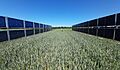
Vertical panels allow farming in between rows
-
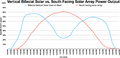
Comparison of power output directions
-
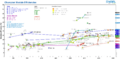
Chart showing how solar efficiency has improved over time
-
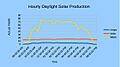
Example of power output
-
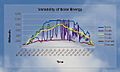
Clouds can reduce solar energy production.
-
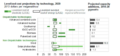
Comparison of energy costs
-
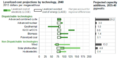
Long-term cost trends
-
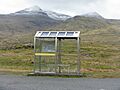
Solar panels on the roof of a bus shelter
-
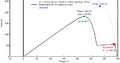
Power curve of a partially shaded module
-
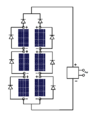
Diagram showing how diodes protect the system.


See also
 In Spanish: Panel solar para niños
- Renewable energy
- Solar charger
- Solar cooker
- Spacecraft
