
Siltation facts for kids

Siltation happens when very tiny pieces of rock, dirt, and earth wash into water bodies. This form of water pollution involves bits of broken rock fragments that are tiny like silt or sticky clay. The dirt comes from land in a land environment and washes into rivers, lakes, or oceans. When dirt enters water, it makes clear water look murky and brown. This condition is also known as sediment pollution.
Siltation includes two main problems. First, it makes water cloudy because particles stay floating in floating suspension. Second, those particles eventually sink down. They build up on the water bottom where they do not belong. This thick blanket of mud can smother homes of tiny animals. It also clogs channels used by big ships. Siltation often starts with simple soil erosion when rainfall washes bare dirt away into nearby streams.
Contents
Causes of Silt Pollution in Water

Dirt gets carried into clean water through natural erosion on land and through human work in water. When strong rain pours onto open fields, tiny grains of soil loosen up. These loose grains flow down hills into creeks. In country areas, poor farming methods cause damage to fertile soil. When protective plants are removed, strong winds and rain cause fast soil erosion. Soils made of fine powder, such as loess, wash away very easily into local streams.
Cities also produce lots of loose dirt. Building projects clear away trees and wild grass. This makes building sites look like small, bare deserts. When heavy rainstorms strike, water washes loose dirt into storm drains. The drains empty directly into clean rivers. Along with rainwater runoff, untreated dirty water also causes harm. When communities lack proper underground waste tanks, waste liquids flow into nature. Without a modern water cleaning plant, dirty waste brings heavy sediment loads directly into rivers.
Human Activities on Waterways

Human activities inside the water can stir up dirt. Machines use underwater scooping to clear out river channels. Dredging keeps channels deep enough for boats. However, scooping up river bottoms disturbs settled mud. It spills dirt into clear currents. Big flat boats move this wet mud across bays. Accidents can drop loose mud directly into clean areas.
People sometimes practice dumping waste mud out at sea to clear out harbors. Other times, workers dump wet sand along coastlines to build an island made by people. Workers also try adding fresh sand to shorelines when waves wash beaches away. When sand washes off these new projects, nearby waters quickly turn muddy. Shifting weather patterns caused by global climate shifts bring harder storms. These intense storms wash even more dirt off hillsides.
Industrial Waste and Runoff

In some places, factory sites pour dirty liquid into local streams. When dirty liquids mix with river currents, fine particles spread downstream. Ships working in a busy boat repair yard can wash dirt and paint dust into harbors. When people dump dirty household waste water directly into waterways, riverbeds fill up with heavy sludge. The build-up of waste dirt chokes plants and turns clean water into thick mud.
Problems Caused by Muddy Water
Muddy water creates serious trouble for animals, plants, and people. When dirt floats in water, water treatment plants struggle to clean it. Factories need clean river water to cool warm machines. Muddy water scratches and clogs pipes. Floating particles block bright sunlight from shining through the water. Water plants need sunlight to grow. Without sunlight, underwater plants cannot make oxygen for fish to breathe.
Fish and other swimming water animals are known as free-swimming creatures. When water turns brown, many fish swim away to look for clean pools. However, small animals living on the riverbed cannot move away. These creatures are called bottom-dwelling river animals. They stay stuck in place while dirt falls on them.
Trouble for Water Creatures

Shellfish, such as clams and oysters, feed by pumping river water through their bodies. They trap tiny bits of food from the water. Floating dirt clogs their delicate filters. They spend energy cleaning out dirt instead of eating food. In the ocean, hard coral reefs suffer the worst damage. Tiny coral animals build huge, colorful homes on clear ocean floors. They need bright sunlight to survive.
Just one millimeter of fine mud can cover a coral reef and kill the coral polyps. Animals that cannot move, known as creatures anchored in place, easily suffocate under loose mud. While wild fish can escape dirty water in wide bays, stream fish have nowhere to hide. Mud fills up the entire narrow river channel. Floating grains scrape against delicate fish gills, making it hard for fish to take in oxygen.
Trouble for Boats and Farms
Siltation also causes headaches for people who drive boats or grow food. As dirt settles, it fills up deep navigation channels. If water channels become too shallow, cargo ships run aground on hidden sandbars. Siltation also blocks man-made irrigation canals. These canals carry fresh water to thirsty farm fields. When thick mud settles inside a canal, water slows down and stops moving. Farmers cannot get enough water to grow food crops.
Measuring Dirt in Water
Scientists have clever ways to measure sediment in water. They measure how fast mud moves down a stream. They check the water cloudiness or murkiness using light sensors. If water is cloudy, light beams cannot pass through easily. Scientists collect water samples in bottles. They filter out the dirt, dry the dirt completely, and weigh it on scales.
Scientists calculate total sediment movement by multiplying water dirtiness by the river's total flow rate. For example, if each bucket has a few pinches of dirt, a rushing river can carry many tons of mud each day. To see how shallow a channel has become, scientists make underwater depth maps. They bounce sound waves off the sea floor. The sound waves show how thick the new mud layer has grown.
Stopping Siltation and Protecting Water

People can protect rivers by stopping soil erosion before it starts. In country areas, farmers plant cover crops. They leave grassy borders along stream edges. The plant roots hold soil tightly so rainwater cannot wash it away. Farmers use smart dirt trapping barriers to stop mud from running into clean creeks.
In busy cities, builders put fabric fences around construction sites. These silt fences let water pass through while trapping mud. Builders also plant new grass quickly to cover bare ground. When engineers dig channels using dredging machines, they install floating curtains. These underwater curtains keep muddy water from spreading into sensitive wildlife areas.
Saving beaches can sometimes cause problems for nearby coral reefs. When storms wash sand off a vacation beach, cities bring in new sand for beach rebuilding work. However, this new sand often contains fine clay and silt. Waves wash these fine grains out into the sea, where they land on delicate coral reefs. To prevent this harm, workers must clean the sand first to wash away tiny dirt specks before placing it on the beach. By taking good care of soil on land, people can keep oceans, rivers, and streams sparkling clean for wildlife.
Images for kids
-

Dirty runoff water flowing through a channel
-
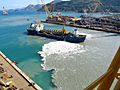
Runoff near a shipyard
-
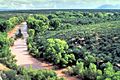
Muddy river water carrying heavy sediment
-
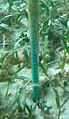
Scientific sensor used to measure underwater sediment
-
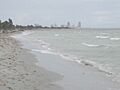
Sand washing into the ocean water
