
Tannin facts for kids


Tannins are special natural compounds found in many plants. You might have heard of them if you've ever tasted something that makes your mouth feel dry or "puckery," like an unripe banana, a strong cup of tea, or red wine. This feeling is called astringency, and it's caused by tannins! These compounds are like tiny magnets that can stick to proteins and other organic materials.
The word "tannin" comes from an old French word for "crushed oak bark." People used oak bark long ago to turn animal hides into leather. This process is called tanning, and it's how we get strong, durable leather from animal skins.
Tannins help plants protect themselves from animals that might want to eat them, acting like natural pesticides. They can also help control how plants grow. The dry, puckery feeling from tannins is why unripe fruits often taste unpleasant; as fruits ripen, the tannins change or disappear, making the fruit taste better.
Contents
What Are Tannins?
Tannins are large molecules made up of many smaller parts. They are a type of polyphenol, which means they have many special chemical rings that allow them to bind strongly with other substances, especially proteins. This binding ability is key to how they work in plants and how humans use them.
Where Do Tannins Come From?
Tannins are found in almost all plants, from giant trees to small shrubs. They are common in both gymnosperms (like pine trees) and angiosperms (flowering plants).
Tannins in Plants
Some plant families are especially rich in tannins. For example, many species in the oak family (Fagaceae) contain a lot of tannins. However, not all plants in a tannin-rich family will have them.
Inside plant cells, tannins are mainly stored in special compartments called vacuoles. These vacuoles act like tiny storage bags, keeping the tannins separate so they don't interfere with the plant's own living parts. This storage helps tannins stay active against plant predators while also protecting the plant itself.
Tannins in Soil and Water
Tannins can also be found in soil and water. When leaves and other plant parts decay, tannins can leach out into the environment. This is why water in places like bogs or some rivers can look brown, like tea. This "blackwater" is usually safe to drink, even if it tastes a bit bitter or smells different.
If you have an aquarium, you might notice that new driftwood decorations can release tannins. This can turn the water a tea-like brown color and slightly lower its pH level. To avoid this, people often boil the wood several times or soak it for many weeks, changing the water regularly, before putting it in an aquarium.
Tannins in water can also cause reddish-brown stains on the feathers of waterfowl like mute swans, which are usually white.
-
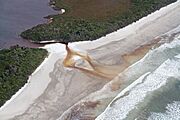
Tannin-rich fresh water draining into Cox Bight from Freney Lagoon, Southwest Conservation Area, Tasmania, Australia
-
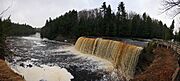
Upper Tahquamenon falls Panoramic view
-

The tannin-rich Oparara River in the West Coast region of New Zealand


Types of Tannins
Scientists group tannins into different classes based on their chemical structure. The main types are:
- Hydrolyzable tannins: These are found in many plants.
- Phlorotannins: These are special tannins found in brown algae (a type of seaweed).
- Condensed tannins: These are the most common type of tannins and are found in almost all plants. They can make up a large part of a plant's dry weight.
Some compounds are similar to tannins but are smaller and don't have the same strong binding power. These are called pseudo-tannins. You can find them in things like tea (called catechins) and coffee (called chlorogenic acid).
A Little Bit of Tannin History
Scientists have been studying tannins for a long time. In the early 1800s, chemists like Henri Braconnot started discovering some of the basic acids that make up tannins. Later, in the 1900s, researchers like Maximilian Nierenstein explored how tannins are found in different plants, such as cocoa beans.
A big step forward came in 1943 with the invention of paper chromatography. This was a new technique that helped scientists separate and identify different plant compounds, including tannins, much more easily. This led to a lot of new discoveries about tannins after 1945.
Learning About Tannins: Simple Tests
How do scientists know if something contains tannins? They use special tests!
- Ferric Chloride Test: One common test involves adding a chemical called ferric chloride to a liquid extract from a plant. If tannins are present, the mixture will often turn a blue or green color.
- Goldbeater's Skin Test: Another interesting test uses a thin membrane (like a very thin piece of animal skin). If this skin is soaked in a solution containing tannins and then treated with an iron solution, it will turn blue-black. This shows how tannins can bind to proteins, just like they do when tanning leather.
Tannins in Our Food and Drinks
You encounter tannins every day in many foods and beverages!
Fruits and Nuts with Tannins
- Pomegranates: These fruits are known for their unique flavor, partly due to tannins.
- Strawberries: These popular berries contain both types of tannins.
- Berries: Most berries, like cranberries and blueberries, are good sources of tannins.
- Nuts: Some nuts, especially acorns from oak trees, contain high amounts of tannins. Other nuts like hazelnuts, walnuts, and almonds have smaller amounts.
- Legumes: Many beans, especially red-colored ones, contain tannins. Chickpeas have a smaller amount.
- Chocolate: Chocolate liquor, which is the base for chocolate, contains about 6% tannins.
Tannins in Beverages
- Tea and Coffee: These are two of the main ways people get tannins in their diet. The bitterness and astringency in tea come from tannins.
- Wine: Many wines, especially red wines, get their dry, astringent taste from tannins. These tannins can come from the grape skins, seeds, and stems, and also from the oak barrels used to age the wine.
- Fruit Juices: Juices from fruits like apples, grapes, and berries naturally contain high amounts of tannins. Sometimes, tannins are even added to juices to make them taste more astringent.
- Beer: Tannins are also found in beer, coming from the hops and grains used to make it. In some beers, tannins can cause a cloudy look, especially when cold. Brewers have ways to prevent this if they want a clear beer.
How Tannins Affect Animals
Tannins can affect how animals digest their food. Sometimes they are seen as "antinutrients" because they can make it harder for animals to digest proteins. However, in some cases, like in certain animal feeds, tannins can actually have positive effects. For example, they can help control tiny worms (called nematodes) in farm animals like sheep and goats, which is a natural way to keep them healthy.
How We Use Tannins
Tannins have been useful to humans for thousands of years and are still important today.
Tanning Leather

The most famous use of tannins is in making leather. Historically, people used natural sources like oak bark to tan animal hides. This process makes the leather strong, flexible, and resistant to decay. While synthetic chemicals are now used for most leather production, natural tannins are still important in some types of tanning.
Other Cool Uses
- Preserving Metal: Tannins can help protect iron objects from rust. They were used in the past, for example, with Japanese iron teapots.
- Dyeing Fabrics: In natural dyeing, tannins can act as a mordant. This means they help the dye stick better to fabrics, especially plant-based fibers like cotton, and can even influence the final color.
- Adhesives: Tannins can be used to make glues and adhesives, for example, in particleboard.
- Anti-Rust Primers: They can be used in special paints called primers to treat rusted steel surfaces before painting, turning the rust into a protective layer.
- Removing Pollutants: Scientists have explored using resins made from tannins to remove harmful substances like mercury and even uranium from water.
See also
 In Spanish: Tanino para niños
