
Malnutrition facts for kids
Quick facts for kids Malnutrition |
|
|---|---|

A child receiving care for not having enough food in Dolo Ado, Ethiopia.
|
|
| Classification and external resources | |
| Specialty | Critical care medicine |
| Patient UK | Malnutrition |
Malnutrition happens when your body doesn't get the right amount of nutrients. This can mean you get too few nutrients, or sometimes, too many. Both situations can cause serious health problems.
When you don't get enough nutrients, it's called undernutrition. This can make it hard for you to grow properly, gain weight, or have enough energy. On the other hand, getting too many nutrients, especially from unhealthy foods, is called overnutrition. This can lead to being overweight or having too much of certain vitamins or minerals.
Sometimes, in the same places, people can suffer from both undernutrition and overnutrition. This is known as the "double burden of malnutrition." It shows how important it is to have a balanced diet for good health.
How Many People Are Affected?

Around the world, many people face malnutrition. In 2017, about one in three people had some form of malnutrition. This included not growing enough, being too thin, lacking important vitamins or minerals, or being overweight. Undernutrition is often seen more in countries that are still developing.
By 2023, about 2.33 billion people worldwide did not have enough food or healthy food options. This means they were moderately or severely food insecure.
Malnutrition in Children

Young children are especially vulnerable to malnutrition. In 2021, nearly 148 million children under five years old were too short for their age (stunted). Another 45 million were too thin (wasted). Sadly, about 45% of child deaths that year were linked to not having enough food.
Some children also suffer from a lack of important vitamins. For example, a lack of Vitamin A affects many young children. This can lead to serious health issues, including problems with their eyesight.
Malnutrition in Adults

Adults also experience malnutrition. In 2021, about 1.9 billion adults were overweight or obese. At the same time, 462 million adults were underweight. Many people also lack important minerals like iodine or iron, which can cause conditions like anemia.
Older people can also face undernutrition. This is often due to health issues, feeling lonely, or having trouble eating. It's important for everyone, especially older adults, to get proper nutrition.
Why Malnutrition Increased Recently
Between 2011 and 2020, more people around the world faced hunger. In 2022, between 691 and 783 million people experienced hunger. This was partly due to the COVID-19 pandemic. The pandemic made it harder for people to get food and led to less physical activity.
Other big reasons for hunger include conflicts, climate change, and economic problems. These issues make it difficult for communities to grow or buy enough food.
Different Kinds of Malnutrition
Undernutrition: Not Enough Nutrients
.svg)
.svg)
Undernutrition means your body doesn't get enough energy, protein, or important vitamins and minerals. This can affect how your body and mind work. It is a major health problem, especially for young children, and can stop them from growing and learning fully.
Undernutrition can show up as:
- Stunting: When a child is too short for their age.
- Wasting: When a child is too thin for their height.
- Underweight: When a child weighs too little for their age.
If undernutrition happens when a baby is in the womb or before they turn two, it can cause lasting problems with their growth and brain development. Severe undernutrition can lead to starvation.
Micronutrient Undernutrition
This happens when you don't get enough vitamins and minerals. The most common deficiencies worldwide are iodine, Vitamin A, and iron. Children and pregnant women in poorer countries are most at risk.
For example, anemia is often caused by a lack of iron. A lack of Vitamin B12 can also cause anemia and affect thinking.
Protein-Energy Malnutrition
This is when someone doesn't get enough protein and energy. Two main types are kwashiorkor and marasmus.
Kwashiorkor is mainly caused by not getting enough protein. It can make a child's belly swell up, even if they are very thin elsewhere. Their skin and hair might also change color.
Marasmus happens when someone doesn't get enough protein and energy for a long time. This causes severe muscle wasting, making the person look very thin and bony. It is often seen during times of severe food shortage.
Overnutrition: Too Many Unhealthy Nutrients
Overnutrition happens when you eat too many foods that are high in calories but low in nutrients, and you don't get enough physical activity. This can lead to being overweight or obese.
Being overweight can cause serious health problems later in life, like diabetes and heart disease. It's important to eat a balanced diet and stay active to prevent overnutrition. Even in some developing countries, overnutrition is becoming a problem alongside undernutrition.
What Malnutrition Does to Your Body
_(cropped).jpg)
Malnutrition weakens your body's defense system, called the immune system. This makes it easier to get sick from infections. Lacking specific vitamins and minerals, like iron or zinc, also makes you more likely to get sick.
Undernutrition can also cause diseases like scurvy (from lack of Vitamin C) and rickets (from lack of Vitamin D). As it gets worse, people feel very tired and their brain might not work as well.
Signs of Malnutrition
Some common signs of undernutrition include:
- A very thin or swollen face.
- Dry eyes or pale eyelids.
- Sores around the mouth or swollen gums.
- Dull, thin, or easily broken hair.
- Dry, patchy, or wrinkled skin.
- Weak muscles, especially in the legs and arms.
- Swollen belly or legs.
- Feeling tired, anxious, or not interested in things.
How Malnutrition Affects Your Brain
Not getting enough nutrients can harm how your brain develops and works. This is especially true if it happens during pregnancy or in the first two years of life. For example, a lack of iron can affect brain function.
Iodine deficiency is the most common preventable cause of mental impairment worldwide. Even a small lack of iodine can lower a person's intelligence. This shows how important it is to get all the right nutrients for a healthy brain.
What Causes Malnutrition?

Many things can cause malnutrition, from not having enough food to health problems and even where you live.
Social and Economic Reasons
One main cause of undernutrition is not having access to good, healthy food. If food prices are too high, families with low incomes might not be able to buy nutritious meals. Poverty and a lack of education can also play a big role.
Sometimes, even if there's enough food in the world, it doesn't get to everyone who needs it. This can be due to problems with how food is shared or because people don't have enough money to buy it.
Health Problems and Diet Choices
Infections like gastroenteritis, pneumonia, or malaria can increase your body's need for nutrients, leading to malnutrition. Chronic illnesses, like HIV/AIDS, can also contribute.
Not breastfeeding babies enough can lead to undernutrition in infants. Also, eating too much of one type of food, like only potatoes or rice, without other nutrients, can cause problems.
On the other hand, overnutrition is often caused by eating too many unhealthy, high-calorie foods and not being active enough. Fast food, which is often cheap and easy to get, can contribute to this.
Farming and Food Supply

Sometimes, local food shortages happen because of bad weather, poor farming methods, or a lack of modern farming tools like fertilizers and irrigation. Many farmers in poorer countries cannot afford these resources.
Some policies have also made it harder for farmers in developing countries to grow enough food. This can lead to lower food production and higher prices.
Future Challenges to Food Security
),_OWID.svg)
Looking ahead, several factors could make malnutrition worse. Global warming is a big concern because it can cause more extreme weather, like droughts. These events severely impact farming and food supplies, especially in tropical regions.
Another threat is the decline in bee populations, known as colony collapse disorder. Since bees pollinate many crops, their loss could affect how much food we can grow.
How Can We Prevent Malnutrition?

Stopping malnutrition is a key goal for many organizations, including the United Nations. It's part of their Sustainable Development Goal 2 (SDG2), which aims for "Zero Hunger."
Making Sure Everyone Has Enough Food
The Green Revolution in the 1950s and 60s helped many parts of Asia grow more food using modern farming methods. Investing in things like fertilizers and seeds can increase harvests and lower food prices.
For example, Malawi changed its farming policies and offered subsidies for fertilizer. This helped farmers produce record amounts of corn, turning Malawi into a food exporter. Similar efforts are needed in other countries.
Helping People Afford Food
Many aid groups have found that giving money or vouchers to people is often more helpful than just donating food. This allows people to buy food from local markets, which can be cheaper and faster.
Food banks and soup kitchens also help people who can't afford food. Some ideas, like a basic income, suggest giving everyone enough money for basic needs, including food.
The Role of Breastfeeding
Breastfeeding is incredibly important for babies' health. It can prevent many deaths in children under five. Breast milk provides essential nutrients and helps build a baby's immune system. Doctors recommend exclusively breastfeeding infants for the first six months.
Global Efforts to End Hunger
Since 2009, there has been more international focus on fighting malnutrition. The UN launched the Scaling up Nutrition (SUN) movement in 2010. Many countries also signed the Food Assistance Convention in 2012.
In 2015, the European Union and the Bill & Melinda Gates Foundation started a partnership to fight undernutrition in children. The UN's Food and Agriculture Organization also created a plan to end hunger in Africa by 2025. These efforts show a global commitment to ensuring everyone has enough to eat.
How Do We Treat Malnutrition?

Treating malnutrition involves several steps, from improving diet to medical care.
Improving Nutrition and Health
One common way to help is by promoting good feeding practices for infants and young children, especially breastfeeding. Giving children and pregnant women extra vitamins and minerals can also make a big difference.
UNICEF provides nutritional counseling to help families learn about healthy eating. Sometimes, sending food or money to communities is also part of the solution. Long-term solutions include better farming, reducing poverty, and improving sanitation.
Special Foods and Supplements
Special foods, like ready-to-use therapeutic foods (RUTF), are very helpful. These foods can be stored for a long time and eaten directly from the packet, which is useful in emergencies.
Many everyday foods are also fortified with extra vitamins and minerals, like flour with iron or salt with iodine. This helps people get important nutrients without even realizing it.
Treating Common Problems: Diarrhea, Low Blood Sugar, and Cold
If a malnourished person has diarrhea, it's important to prevent dehydration. They should drink fluids with small amounts of sugar and salt, like vegetable broth or salted rice water. Oral rehydration therapy (ORT) is a common treatment.
Low blood sugar can be treated with a mixture of sugar and water. Keeping malnourished children warm is also very important to prevent hypothermia (dangerously low body temperature).
Malnutrition Around the World

The numbers about malnutrition usually refer to undernutrition, even though malnutrition includes both too little and too much food.
Who is Most Affected?
In 2017, the United Nations estimated that 821 million people worldwide were undernourished. This means they didn't get enough calories, even though there was enough food produced globally to feed everyone.
Malnutrition is a major cause of health problems and deaths. In 2010, it caused 600,000 deaths from not enough protein and energy, and another 84,000 deaths from other nutrient deficiencies.
Malnutrition in Children and Women

Undernutrition greatly affects children's health and learning. It contributes to more than a third of child deaths. Children who are malnourished often have worse health and less education as adults.
Women also face unique challenges. In 2022, over 1 billion adolescent girls and women suffered from undernutrition. Pregnant and breastfeeding women need more nutrients for themselves and their babies. A lack of iron during pregnancy, for example, can be very dangerous.
Malnutrition in Older People
Malnutrition is more common in older adults. This can be due to health issues, sadness, or problems with chewing and swallowing. Many older people in hospitals or care homes are malnourished.
Providing a good diet with all the necessary nutrients is a key part of caring for older people. Regular health checks can help find and treat malnutrition in the elderly.
A Look Back: History of Fighting Hunger
Hunger has always been a problem for humans. But it wasn't until the 20th century that people really understood the importance of different nutrients.
For a long time, people knew that certain foods could prevent diseases. For example, sailors in the 18th century learned that lemon juice could prevent scurvy. This knowledge helped the British Navy keep its sailors healthy.
After World War I and World War II, scientists began to study nutrition more closely. Organizations like the United Nations started working to reduce malnutrition around the world. The Green Revolution in the 1950s and 60s greatly improved our ability to prevent malnutrition.
In 1948, the Universal Declaration of Human Rights stated that everyone has a right to enough food. Later, in 1974, the Universal Declaration on the Eradication of Hunger and Malnutrition was adopted. These documents show how the world has come together to fight hunger and ensure everyone has access to healthy food.
Images for kids
-
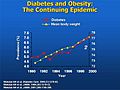
Chart showing a trend between obesity and diabetes over the years.
-
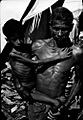
A child with extreme malnutrition.
-
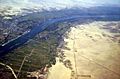
Irrigation canals help grow crops in dry areas of Egypt.
-

World population supported with and without synthetic nitrogen fertilizers.
-
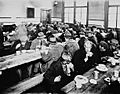
A soup kitchen in Montreal, Quebec, Canada in 1931.
-
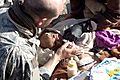
A malnourished Afghan child being treated by a medical team.
-
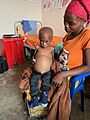
Baby with protein malnutrition due to insufficient amount of nutrients.
-

Examples of commercially available oral rehydration salts.
-
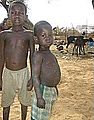
Malnourished children in Niger during a food shortage.
-
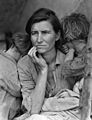
Migrant Mother by Dorothea Lange (1936).


See also
 In Spanish: Malnutrición para niños
- Action Against Hunger
- A Place at the Table
- Agrobiodiversity
- Child health and nutrition in Africa
- Childhood obesity
- Community Therapeutic Care
- Deficiency (medicine)
- Eating disorder
- Economic issues
- Famine scales
- Fome Zero (Zero Hunger)
- Food Donation Connection
- Homelessness
- Hunger in the United Kingdom
- Hunger in the United States
- Hunger marches
- The Hunger Project
- Income inequality
- Integrated Food Security Phase Classification
- List of global issues
- Malnutrition in India
- Malnutrition in South Africa
- Malnutrition in Peru
- Malnutrition in Zimbabwe
- NutritionDay
- Nutrition and Education International
- Muselmann
- National Security Study Memorandum 200 (1974)
- Oxfam
- Poverty trap
- Project Open Hand
- Social programs
- Starvation response
- Sustainable fishery
- United Nations Millennium Declaration
- Vitamin deficiency
