
Neurology facts for kids

|
|
| System | Nervous system |
|---|---|
| Significant diseases | Neuropathy, dementia, stroke, encephalopathy, Parkinson's disease, epilepsy, meningitis, muscular dystrophy, migraine, attention deficit/hyperactivity disorder, narcolepsy |
| Significant tests | Computed axial tomography, MRI scan, lumbar puncture, electroencephalography |
| Specialist | Neurologist |
Neurology is a special part of medicine that focuses on the nervous system. This amazing system includes your brain, spinal cord, and all the nerves throughout your body. Neurologists are doctors who help diagnose and treat problems with these important parts.
A neurologist is a doctor who has special training in neurology. They learn how to find, understand, and treat many different conditions that affect the nervous system. These can include things like strokes, epilepsy, Parkinson's disease, migraine headaches, and even sleep disorders. Neurologists also work on clinical research to discover new ways to help patients.
Contents
A Look Back: History of Neurology
The study of the nervous system has a long history. Doctors and scientists started to really focus on it between the 15th and 16th centuries. Many important people helped build this field.
Some of these pioneers included Thomas Willis, Jean-Martin Charcot, and John Hughlings Jackson. They studied the brain and nerves, helping us understand how they work. The word "neurology" itself comes from Greek words meaning "nerve" and "study of."
Becoming a Neurologist
Becoming a neurologist takes a lot of hard work and many years of schooling. It's a journey for doctors who want to help people with nervous system problems.
How Neurologists Learn
In countries like the United States and Canada, doctors first go to medical school for about four years. After that, they complete a special training period called a residency in neurology. This residency usually lasts another four years. The first year often includes training in general internal medicine.
So, a neurologist typically spends about eight to ten years in training after high school. This includes medical school, residency, and sometimes an extra one or two years of advanced training called a fellowship.
Specializing in Neurology
After their general neurology training, some neurologists choose to specialize even further. They might focus on a specific area of the nervous system or a particular type of condition. These extra training programs are called fellowships and can last one to three years.
Some examples of these special areas include:
- Brain injury medicine
- Epilepsy
- Sleep medicine
- Stroke (called vascular neurology)
- Movement disorders like Parkinson's disease
- Headache disorders
- Multiple sclerosis
How Neurologists Examine Patients
When you visit a neurologist, they will carefully review your health history. They pay close attention to any problems you're having with your nervous system. Then, they perform a special neurological examination.
What Happens During an Exam?
During the exam, the neurologist checks many things. They might test your:
- Mental status: How well you think and remember.
- Cranial nerves: These control things like your vision, hearing, and facial movements.
- Strength and coordination: How well your muscles work together.
- Reflexes: Like the knee-jerk reflex.
- Sensation: How well you feel touch, temperature, or pain.
- Gait: How you walk.
This exam helps the neurologist figure out if there's a problem and where it might be in your nervous system.
Important Diagnostic Tests
To confirm a diagnosis, neurologists often order more tests. These can include:
- CT scans and magnetic resonance imaging (MRI): These are like special cameras that take detailed pictures of your brain and spinal cord.
- Electroencephalography (EEG): This test measures the electrical activity in your brain.
- Nerve conduction studies and electromyography (EMG): These tests check how well your nerves and muscles are working.
- Lumbar punctures: This is a procedure to collect a small sample of cerebrospinal fluid (the fluid around your brain and spinal cord) for testing.
- Genetic testing: This can help identify inherited conditions.
Conditions Neurologists Treat
Neurologists treat a wide range of conditions affecting the nervous system. Some common ones include:
- Headaches, including migraines
- Strokes
- Dementia, like Alzheimer's disease
- Seizures and epilepsy
- Parkinson's disease and other movement disorders
- Multiple sclerosis
- Sleep disorders
- Infections or tumors in the nervous system
Neurologists also help evaluate patients on life support to confirm brain death, which means the brain has completely stopped working.
Working with Other Doctors
Neurologists often work closely with other medical specialists. For example, if a patient needs surgery for a brain problem, the neurologist will refer them to a neurosurgeon. They also work with physiotherapists to help patients recover movement and strength.
Sometimes, other doctors like lung specialists or psychiatrists might also treat conditions that affect the nervous system, especially sleep disorders or mental health issues.
Brain and Mind Connection
For a long time, doctors have known that the brain and the mind are connected. While mental illness is usually treated by psychiatrists, modern medicine understands that brain chemistry plays a big role. Neurologists and psychiatrists often work together because many neurological conditions can affect a person's mood or thinking. For example, someone with Parkinson's disease might also experience depression.
Future of Brain Health
Scientists are always learning more about the brain. An exciting area is called neurological enhancement. This field explores ways to improve brain functions like attention or memory. However, it also brings up important questions about what is right and wrong when we try to change how our brains work. This is part of a field called neuroethics.
Images for kids
-
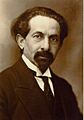
Polish neurologist Edward Flatau greatly influenced the developing field of neurology. He published a human brain atlas in 1894 and wrote a fundamental book on migraines in 1912.
-
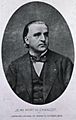
Jean-Martin Charcot is considered one of the fathers of neurology.


See also
In Spanish: Neurología para niños
- American Board of Psychiatry and Neurology
- American Osteopathic Board of Neurology and Psychiatry
- Developmental Neurorehabilitation, a medical journal
- List of neurologists
- List of women neuroscientists
- Neuroepigenetics
- Neurohospitalist, a doctor focused on hospital neurology care
- Neurotherapy
