
Roof garden facts for kids


A roof garden is exactly what it sounds like: a garden built on the roof of a building! These special gardens are more than just pretty spaces. They offer many cool benefits. Roof gardens can provide fresh food, help control a building's temperature, manage rainwater, and even create homes for wildlife. They also give people fun places to relax and play. Growing food on rooftops is sometimes called rooftop farming. This can be done using special systems like green roofs, hydroponics (growing plants in water), or container gardens (plants in pots).

Contents
What Are Roof Gardens?
Roof gardens are special green spaces built on top of buildings. They bring nature into busy cities. These gardens can be simple or very fancy, with different kinds of plants, trees, and even places to sit and enjoy the view.
A Look Back: History of Roof Gardens
People have been growing plants on top of buildings for thousands of years!
- Ancient Times: The ziggurats of ancient Mesopotamia (a region from long ago) had trees and bushes growing on their high terraces. The Roman Empire also had roof gardens, like the one found at the Villa of the Mysteries in Pompeii.
- Medieval Era: In the 11th century, the Egyptian city of Fustat had buildings as tall as 14 stories. These buildings even had roof gardens on top, watered by ox-drawn water wheels!
- A Wonder of the World: The famous Hanging Gardens of Babylon, one of the Seven Wonders of the Ancient World, are often shown as huge structures covered in plants and trees.
- Modern Entertainment: In New York City, from the late 1800s to the 1920s, many large roof gardens became popular places for concerts, shows, and ballroom dance. Famous ones included the Hotel Astor (New York City) and Madison Square Garden.
- Today's Rooftop Farms: Since the 1960s, companies have been building greenhouses on rooftops. In the 2010s, big hydroponic farms, like those by Gotham Greens and Lufa Farms, started growing food on city roofs.
How Roof Gardens Help Our Planet
Roof gardens are super helpful, especially in cities! They make a big difference for the environment.
Cooling Our Cities
Cities can get very hot. This is because roads and buildings absorb a lot of sunlight. This stored heat makes cities much warmer than the countryside. This effect is called the urban heat island.
- Natural Air Conditioners: Plants on roof gardens help cool buildings. They do this by a process called transpiration, which is like plants sweating. This keeps the plant surfaces cooler.
- Saving Energy: Cooler buildings mean less need for air conditioning. This saves a lot of energy! Studies show that roof gardens can lower the surrounding air temperature by several degrees. This helps reduce smog and heat-related problems.


Managing Rainwater
When it rains heavily in cities, water often rushes off roofs and paved areas. This can cause flooding and overwhelm drainage systems.
- Slowing the Flow: Roof gardens act like sponges. They soak up rainwater and release it slowly. This reduces the amount and speed of water flowing into city drains.
- Cleaner Water: By holding onto water, roof gardens help prevent pollution from washing into rivers and lakes. The plants use some of the water, and the rest drains away more gently.
- How roof gardens help with temperature and rainwater
-
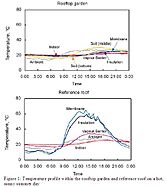
This graph shows how roof gardens keep buildings cooler.
-
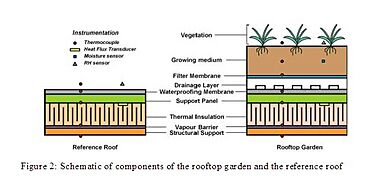
This graph illustrates how roof gardens reduce rainwater runoff.


Growing Food on City Roofs
Imagine fresh vegetables grown right in your city! Roof gardens make this possible through urban agriculture.
- Local Food Source: These gardens provide fresh produce for the community. This means food doesn't have to travel far, which is good for the environment. It also connects people to where their food comes from.
- University Example: For instance, Trent University has a rooftop garden that supplies food to its student café and local residents.

.jpg)
Smart Ways to Grow
Finding space for gardening in crowded cities can be tough. Roof gardens offer a great solution!
- Less Soil, More Plants: Methods like hydroponics (growing plants in water without soil) make rooftop gardening easier. They reduce the need for heavy soil.
- Container Gardening: Many roof gardens use container gardens, where plants grow in pots. This protects the roof's waterproof layer.
- Famous Example: The Chicago City Hall has a well-known roof garden.
- Small Space Solutions: For people with very little space, square foot gardening or green walls (vertical gardens) are excellent options. These methods use much less room than traditional gardens. They also promote eco-friendly practices, like reducing pesticides and composting waste.
Why Cities Love Roof Gardens
City planners are very interested in making cities greener. Roof gardens offer many benefits for urban areas.
- Cooler Cities, Happier People: Planting greenery on rooftops can lower city temperatures. For example, studies suggested that if half of Tokyo's rooftops were green, the city's temperature could drop, saving a lot of money on energy.
- Singapore's Green Vision: Singapore is a great example of a city actively adding green spaces. Most residents there want more roof gardens for relaxation, beauty, and connecting with nature.

Roof Gardens vs. Green Roofs: What's the Difference?
Sometimes, the terms "roof garden" and "green roof" are used to mean the same thing, but there's a small difference!
- Roof Gardens: These are designed for people to enjoy. They often include places to relax, eat, and play. They might have many different kinds of plants, even trees, in deep planters. Their main goal is to be beautiful and fun.
- Green Roofs: These are mostly built to help the building itself. They focus on improving insulation and saving energy. Green roofs usually have a thinner layer of soil (just a few inches deep) and use tough, shallow-rooted plants like sedum. They are great at blocking sunlight and keeping buildings cool.
Gallery
-
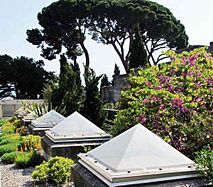
Villa Arson
-
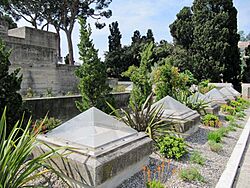
Villa Arson
-
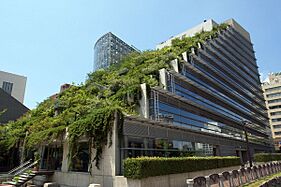
ACROS Fukuoka
-
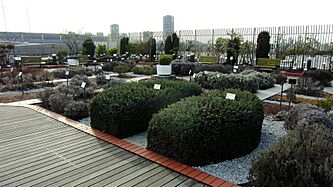
Herb garden of National Museum of Nature and Science Tokyo
-
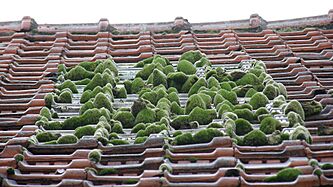
A small Zen roof garden
-
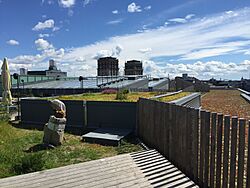
Sedum roof at Urban Deli, Stockholm
-
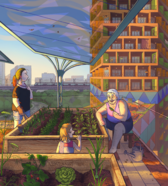
Rooftop community gardens are a common theme in solarpunk art
-
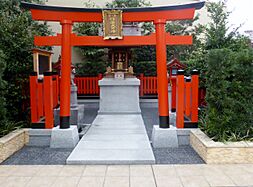
Inari Daimyojin on the roof of Hankyu Department Stores Umeda main store
-
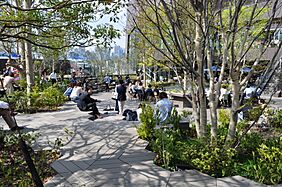
Tokyo Plaza
-
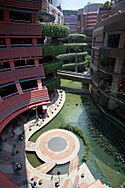
Canal City Hakata
-
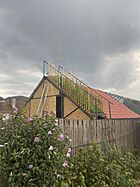
F-Roof: a multi-function (food and energy production), single-layer (no tiles behind) roof in Cugir, Romania.


See also
- Agrivoltaic
- Building-integrated agriculture
- Cool roof
- Green building
- Green infrastructure
- Greening
- Kensington Roof Gardens
- List of garden types
- Low-flow irrigation systems
- Metropolitan Museum of Art Roof Garden
- Ralph Hancock, designer of The Rockefeller Center Roof Gardens
- Roof deck
- Terrace garden
- Urban ecology
- Urban green space
- Urban park
- Urban wildlife
- Wildlife corridor
