
Hydrochloric acid facts for kids
Hydrochloric acid is a clear, strong liquid formed by mixing hydrogen chloride gas with water into an aqueous solution. It has a very sharp, pungent smell and is classified as a powerful strong acid. Long ago, early scientists called it "spirits of salt" because they made it from common rock salt. Today, it is an important reagent used in chemistry labs, big factories, and even inside our own bodies.
Contents
What Is Hydrochloric Acid?

The chemical formula for hydrochloric acid is HCl. In water, it separates into hydronium and chloride particles. Its physical properties, such as density, pH, and its freezing melting point, change based on how much acid is mixed with water. For example, its boiling point changes depending on its concentration. In nature, hydrochloric acid helps create the azeotrope mixture, which boils at a constant temperature.
History of Discovery
Early chemists learned to make this liquid hundreds of years ago. Around the year 900, a Persian doctor named Abu Bakr al-Razi heated sal ammoniac with metal salts to make acidic gases through distillation. Later, European alchemists mixed it with nitric acid to create aqua regia, an amazing liquid that could dissolve pure gold. In 1814, French scientist Joseph Louis Gay-Lussac gave the liquid its modern name. During the Industrial Revolution, factories produced it while making sodium carbonate.
How It Helps Our Bodies

Hydrochloric acid is a natural part of gastric acid inside your tummy. Special cells release it to keep your stomach at a very low pH between 1 and 2. This acid helps break down protein foods so your body can use them. It also powers up a helper called pepsin and destroys harmful germs that sneak in with your lunch. A thick shield of mucus stops the acid from harming your stomach walls.
Everyday Uses and Science
Factories use hydrochloric acid to clean rust off metals in a step called pickling. It also balances water acidity in swimming pools and helps make foods like citric acid and gelatin. Because it is a strong acid that can cause serious burns, scientists always wear thick rubber gloves, safety goggles, and a protective respirator when working with it.
Images for kids
-
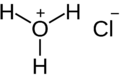
Structure of hydrochloric acid breaking down in water
-
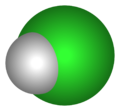
3D model of hydrogen chloride
-
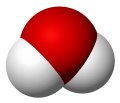
3D model of water
-
3D model of the chloride anion
-
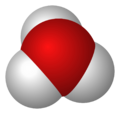
3D model of the hydronium cation
-

Melting temperature chart
-
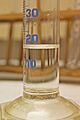
A bottle of concentrated acid
-
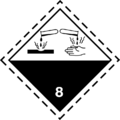
Corrosive transport safety sign
-
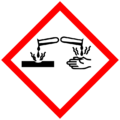
Chemical danger label for skin burns
-
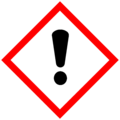
Warning label for irritation


See also
 In Spanish: Ácido clorhídrico para niños
