
Miguel de Cervantes Prize facts for kids
Quick facts for kids Miguel de Cervantes Prize |
|
|---|---|

Medal of the Miguel de Cervantes Prize
|
|
| Presented by | Ministry of Culture |
| Country | Spain |
| Reward | €125,000 |
| First awarded | 1976 |
The Miguel de Cervantes Prize is a famous literary award created to celebrate great writing in the Spanish language. Many experts consider it the highest honor an author can receive for writing in Spanish. The Encyclopædia Britannica calls it the most prestigious and valuable award of its kind.
The prize honors an author's entire lifetime of work rather than just one single book. Famous storytellers and poets from many different nations have won this special honor.
Contents
History of the Miguel de Cervantes Prize
The award was created in 1975 by the Ministry of Culture in Spain. The first medal was given out in 1976 to a poet named Jorge Guillén.
The prize is named after Miguel de Cervantes, the legendary writer of Don Quixote. His classic tale about a wandering knight is one of the most famous books in history.
How the Selection Works
The Association of Spanish Language Academies helps choose the candidates. This group includes experts from the Royal Spanish Academy who study how people speak and write Spanish.
Authors from any Spanish-speaking country can receive the prize. Winners come from Europe and the Americas, including nations like Mexico, Argentina, Cuba, and Chile.
A Very Big Cash Reward
The winner receives a cash prize of €125,000. This large sum makes it one of the richest literary prizes anywhere in the world.
Famous Types of Writing Celebrated
Winners have been recognized for many different styles of writing. Some create long adventure stories called novels, while others compose rhyming poetry or short tales.
Authors have also won for writing plays, essays, and translations of books into Spanish. Others explore big questions about life through philosophy.
Amazing Winning Authors

In 1979, the award had two winners at the same time: Jorge Luis Borges and Gerardo Diego. Borges was a master from Argentina known for writing clever maze-like tales.
In 1988, María Zambrano became the first woman to win the prize. Other brilliant women writers have followed her, such as poet Dulce María Loynaz, novelist Ana María Matute, and author Elena Poniatowska.
Recent winners include storyteller Luis Mateo Díez in 2023 and novelist Álvaro Pombo in 2024. In 2025, scholar Gonzalo Celorio won, followed by mystery writer Cristina Fernández Cubas in 2026.
Connections to the Nobel Prize in Literature
Three writers have won both this honor and the world-famous Nobel Prize in Literature:
- Octavio Paz won the Cervantes Prize in 1981 and the Nobel Prize in 1990.
- Mario Vargas Llosa received the Cervantes Prize in 1994 and the Nobel Prize in 2010.
- Camilo José Cela earned the Nobel Prize first in 1989 and the Cervantes Prize in 1995.
Images for kids
-

Alejo Carpentier from Cuba
-
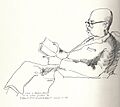
Dámaso Alonso from Spain
-
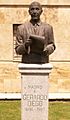
Statue of Gerardo Diego
-

Juan Carlos Onetti from Uruguay
-
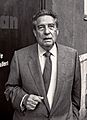
Octavio Paz from Mexico
-
Rafael Alberti from Spain
-

Ernesto Sabato from Argentina
-
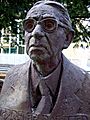
Gonzalo Torrente Ballester from Spain
-
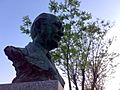
Antonio Buero Vallejo from Spain
-
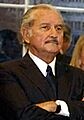
Carlos Fuentes from Mexico
-
María Zambrano from Spain
-
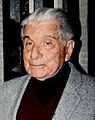
Augusto Roa Bastos from Paraguay
-
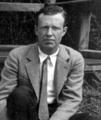
Adolfo Bioy Casares from Argentina
-
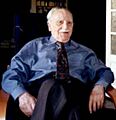
Francisco Ayala from Spain
-
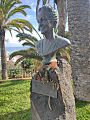
Bust of Dulce María Loynaz
-
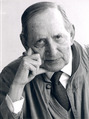
Miguel Delibes from Spain
-

Mario Vargas Llosa from Peru
-
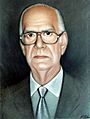
Camilo José Cela from Spain
-

Guillermo Cabrera Infante from Cuba
-
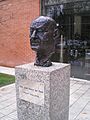
José Hierro from Spain
-
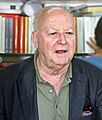
Jorge Edwards from Chile
-
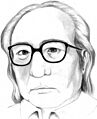
Francisco Umbral from Spain
-
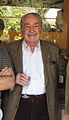
Álvaro Mutis from Colombia
-
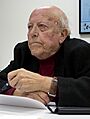
José Jiménez Lozano from Spain
-
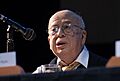
Gonzalo Rojas from Chile
-
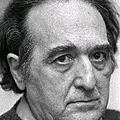
Rafael Sánchez Ferlosio from Spain
-
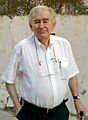
Antonio Gamoneda from Spain
-
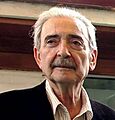
Juan Gelman from Argentina
-
Juan Marsé from Spain
-
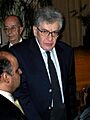
José Emilio Pacheco from Mexico
-

Ana María Matute from Spain
-
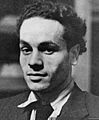
Nicanor Parra from Chile
-
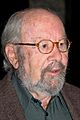
José Manuel Caballero Bonald from Spain
-
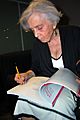
Elena Poniatowska from Mexico
-
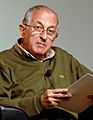
Juan Goytisolo from Spain
-
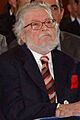
Fernando del Paso from Mexico
-
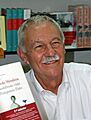
Eduardo Mendoza from Spain
-
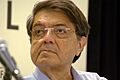
Sergio Ramírez from Nicaragua
-
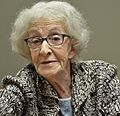
Ida Vitale from Uruguay
-
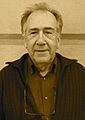
Joan Margarit from Spain
-
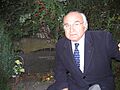
Francisco Brines from Spain
-
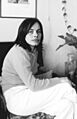
Cristina Peri Rossi from Uruguay
-
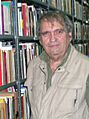
Rafael Cadenas from Venezuela
-
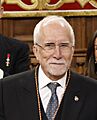
Luis Mateo Díez from Spain
-
Álvaro Pombo from Spain
-
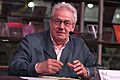
Gonzalo Celorio from Mexico
-

Cristina Fernández Cubas from Spain
-
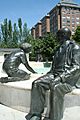
Jorge Guillén from Spain


See also
 In Spanish: Premio Miguel de Cervantes para niños