
Green vehicle facts for kids
_1.8_Hybrid_liftback_(2018-12-19)_01.jpg)
A green vehicle is a car, truck, or other vehicle that is better for our environment than regular vehicles. These vehicles cause less air pollution and use less fossil fuels like gasoline or diesel. They help keep our air cleaner and reduce the amount of harmful gases that go into the atmosphere.
Green vehicles use different kinds of power. Some run on alternative fuels, while others use advanced technology. Examples include hybrid electric vehicles, which combine gasoline and electric power, and battery electric vehicles, which run only on electricity. There are also vehicles that use hydrogen, natural gas vehicles, or even compressed-air vehicles. In 2021, the Tesla Model 3 Standard Range Plus RWD was recognized as one of the most efficient vehicles.
Even regular cars can be considered "greener" if they use fuel very efficiently. Saving fuel is a great way to reduce greenhouse gas emissions and help us rely less on oil from other countries. When we think about how green a vehicle is, we also consider how it's made and what happens to it after it's no longer used. This is called a "life-cycle assessment."
Contents
Saving Energy with Green Vehicles
Green vehicles are designed to use less energy. This helps save money and protects the environment. Here are some ways they achieve this:
- Different Power Sources:
- They use efficient engines that need less petroleum (oil).
- Many use renewable energy sources, like electricity or biofuels, instead of gasoline.
- Good Maintenance: Keeping a car well-maintained, with regular oil changes and correct tire pressure, helps it run more efficiently.
- Lighter Load: Removing heavy, unnecessary items from a vehicle makes it lighter. A lighter car uses less fuel.
| How Different Green Cars Compare | |||||
|---|---|---|---|---|---|
| Type of Vehicle | Fuel Efficiency (mpg equivalent) |
Driving Range | Cost to Buy | Less CO2 than regular cars |
Time to Save Money |
| Regular Gasoline Car | 10–48 | Long (400–600 mi) |
Low | 0% | - |
| Biodiesel Car | 18–71 | Long (360–540 mi) |
Low | Varies (depends on fuel source) | - |
| All-Electric Car | 54–142 | Shorter (114–259 mi) Luxury models Medium (419–516 mi) |
High Very high |
Varies (depends on electricity source) | - |
| Hydrogen Fuel Cell Car | 80 | Very High | |||
| Hybrid Electric Car | 30–60 | 380 mi | Medium | About 5 years | |
Different Kinds of Green Vehicles


Green vehicles use power sources that are not fossil fuels, or they use fossil fuels in a much cleaner way.
Electric and Fuel Cell Cars
Electric cars run only on electricity. They are very efficient and produce zero tailpipe emissions. However, their driving range can be limited before needing to recharge. The batteries are often the most expensive part of these cars. The amount of CO2 they save depends on how the electricity is made.
Hydrogen fuel cell cars use hydrogen gas to create electricity, which then powers the car. They also produce zero emissions, usually just water vapor.
Hybrid Electric Vehicles
Hybrid cars combine two types of power. Most hybrids have a gasoline engine and an electric motor. They switch between these or use both together to save fuel. While they cost a bit more to buy, they save money on gas over time.
Air, Solar, and Other Green Cars
Some vehicles are powered by compressed air. Others use special engines like Stirling engines or liquid nitrogen. These can be even cleaner than electric cars because their parts are very eco-friendly.
Solar car races show off vehicles that run only on sunlight. These cars have solar panels that turn sunlight into electricity. While not common for daily use yet, they inspire new "green technology."
Making Regular Cars Greener

You can make a regular car greener by using renewable fuels.
- Ethanol and Flexible-Fuel Cars: Many gasoline cars can use a small amount of ethanol mixed with gasoline. Flexible-fuel vehicles can use much higher blends of ethanol.
- Natural Gas Vehicles: Some gasoline cars can be changed to run on natural gas (CNG). Countries like Pakistan and Brazil have many natural gas vehicles.
- Biodiesel Cars: Diesel cars can often run on biodiesel. Biodiesel is a very clean fuel for diesel engines. It is made from plant oils or animal fats.
It's important that biofuels come from waste products or new sources like algae. This prevents them from competing with food crops, which could affect food prices.
Electric Motor and Pedal-Powered Vehicles
Some vehicles combine bicycles with electric motors. These can have two, three, or four wheels. They offer a green way to travel short distances. Laws for these vehicles can vary, but they are becoming more popular.
Other Ways to Travel Green

- Public Transport: While not always called "green vehicles," Public transportation like buses and trains reduce the number of cars on the road. Personal rapid transit (PRT) is a new idea for small, automated vehicles that run on special tracks. They can use clean electricity and share energy.
- Wind-Powered Vehicles: Some vehicles use wind turbines to generate electricity. This electricity then powers the vehicle.
Animal and Human Powered Vehicles
Animal Powered Vehicles
Horse and carriages were once very common. They are powered by animals. While they don't burn fuel, the animals need food, and their waste can be a problem in cities.
Human Powered Vehicles

Human-powered transport includes walking, bicycles, and velomobiles. These are the most environmentally friendly ways to get around. They also offer great health benefits from exercise. The main limits are how fast and how far you can go.
Why Green Vehicles Are Good
For the Environment
Cars that burn fossil fuels release gases that cause climate change. These gases include carbon dioxide (CO2) and methane (CH4). Road transport is a major source of these gases. Green vehicles help reduce these harmful emissions. This makes our planet healthier.
For Your Health
Pollutants from vehicles can harm human health. They are linked to breathing problems, heart disease, and even lung cancer. Cleaner air from green vehicles means fewer health issues for everyone, especially children.
For Your Wallet
Green vehicles can save you money! For example, Hybrid taxi drivers in New York have reported saving thousands of dollars each year on fuel costs. This is because green vehicles are more fuel-efficient.
Promoting Green Vehicles Around the World
In Europe
The European Union encourages green cars. Many countries in Europe offer tax benefits for electric and alternative fuel vehicles. These incentives include tax reductions or bonus payments for buyers.
In the United States
The United States Environmental Protection Agency (EPA) has a program called SmartWay. This program helps people identify green vehicles. Cars that earn a SmartWay or SmartWay Elite label are better for the environment. They produce less smog-causing pollution and fewer greenhouse gases. To get a SmartWay label, a vehicle must score well on both air pollution and greenhouse gas tests.
Top Green Cars
-
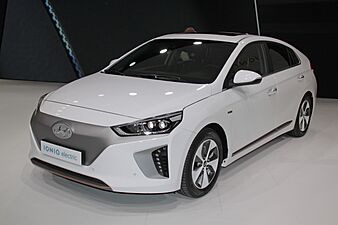
Hyundai Ioniq Electric
-
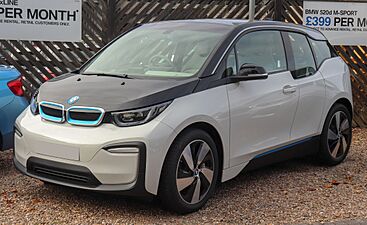
BMW i3 electric car
-
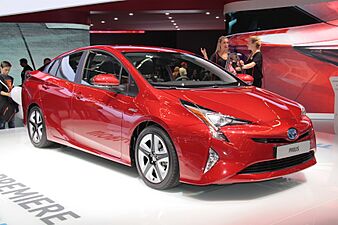
Toyota Prius Eco (4th gen)
-
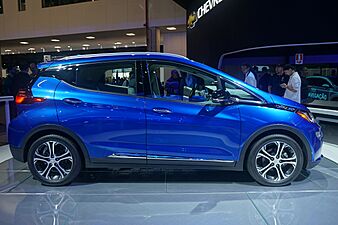
Chevrolet Bolt EV
-
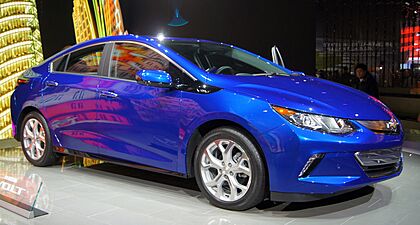
Chevrolet Volt (2nd gen.) plug-in hybrid
-
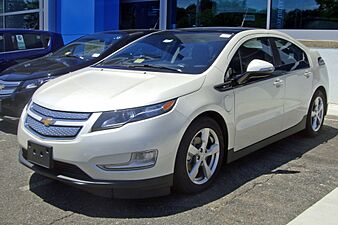
Chevrolet Volt (1st gen) plug-in hybrid
-
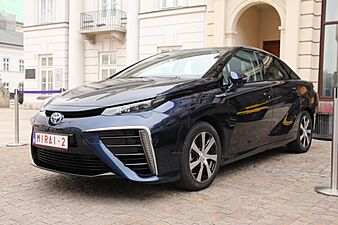
Toyota Mirai hydrogen fuel cell car
-
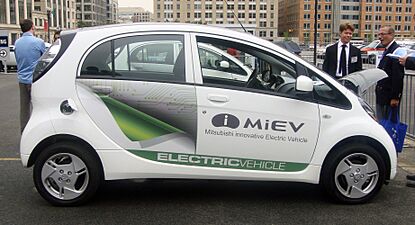
Mitsubishi i-MiEV electric car
-
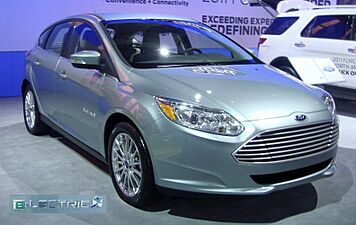
Ford Focus Electric
-
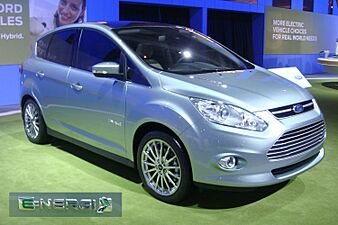
Ford C-Max Energi plug-in hybrid
-
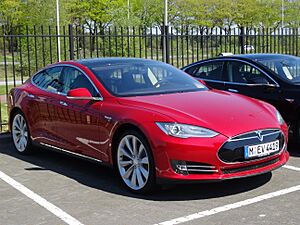
Tesla Model S electric car
-
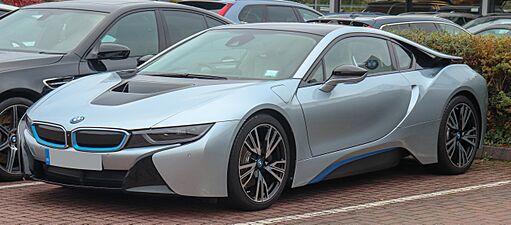
BMW i8 plug-in hybrid
-
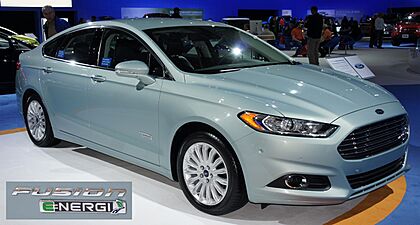
Ford Fusion Energi plug-in hybrid
-
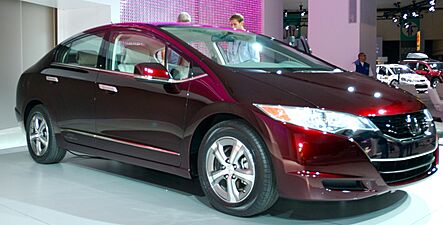
Honda FCX Clarity hydrogen fuel cell car
-
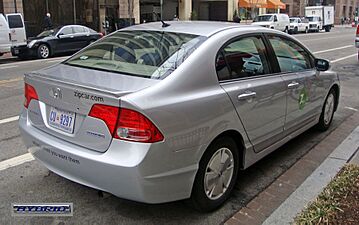
Honda Civic Hybrid (2nd gen)
-
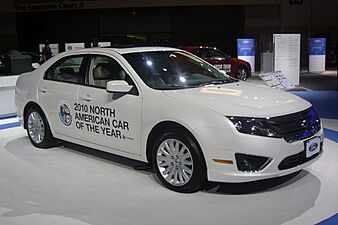
Ford Fusion Hybrid (1st gen)
-
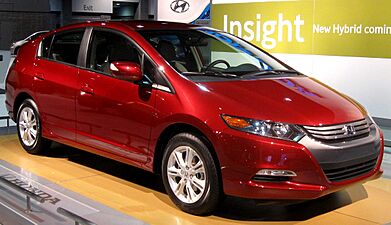
Honda Insight (2nd gen)
-
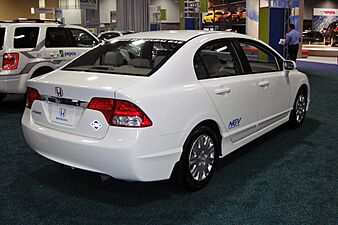
Honda Civic GX
.JPG)
.jpg)
.JPG)


Many car magazines and environmental groups create lists of the best green cars each year. These rankings help people choose vehicles that are good for the planet. For example, the 2021 Tesla Model 3 Standard Range Plus RWD was recognized as the most efficient EPA-certified vehicle across all fuels and years. The Hyundai Ioniq 6 was named the World Electric Vehicle in 2023.
Green Vehicle Events
There are special events and shows dedicated to electric and green vehicles. These "motor shows" display the latest green technologies and cars. Some examples include:
- Alternative Vehicle and Fuel Show (AVFS) in Spain.
- Green Fleet Expo in Ontario, Canada.
- Electric & Hybrid Vehicle Technology Expo in Germany and the USA.
- European Electric Motor Show in Helsinki, Finland.
See also
- Alternative fuel vehicle
- Alternatives to the automobile
- Better Place
- Emerging technologies - e.g. new green vehicle methods
- Green transport hierarchy
- Green tuning
- Michelin Green X Challenge
- Government incentives for plug-in electric vehicles
- Hybrid taxis
- Union of Concerned Scientists' Hybrid Scorecard
- Low-carbon fuel standard
- Miles per gallon gasoline equivalent
- Mobile source air pollution
- Motorised quadricycle
- Plug-in electric vehicles
- Progressive Insurance Automotive X Prize
- Wind-powered vehicle
- Zero-emissions vehicle
