
Piracy facts for kids
Piracy is when people attack ships at sea to steal things. These people are called pirates. Pirates often use small, fast boats to attack bigger cargo ships. The famous

Jolly Roger flag is a well-known symbol of pirates.
Pirates have existed for a very long time, ever since ships first sailed the seas. They were around in Ancient Greece and Ancient Rome, during the Middle Ages, and even during the time of the British Empire. Fighting pirates has often been an important job for a country's navy.
Contents
History of Pirates

Piracy isn't just a story from old books; it has a long and varied history across the globe.
Ancient Pirates
The earliest records of sea robbers date back to the 14th century BC! These ancient groups, sometimes called the "Sea Peoples," would attack ships in the Aegean and Mediterranean Seas. In ancient Greece, some people even thought of sea raiding as a normal way to make a living, though this view changed over time. The Romans also had to deal with pirates who threatened their trade routes. One famous story tells of Julius Caesar, a very important Roman leader, who was once captured by pirates in 75 BC! He was held for a short time before being released, and the Romans later took strong action to stop these sea robbers.
Medieval Pirates: Vikings and Beyond
During the Middle Ages (roughly from the 8th to the 12th centuries), one of the most famous groups of sea warriors were the Vikings. These skilled sailors from Scandinavia were known for their longships and their raids on coastal towns and cities all over Europe, from England to Russia and even parts of North Africa. They were powerful and feared, often taking valuable goods and sometimes even people.
Other medieval pirates included the Moorish pirates who operated in the Mediterranean Sea, sometimes raiding as far as Italy and even sacking parts of Rome in 846 AD. The Narentines in the Adriatic Sea also caused trouble for Venetian traders.
The Golden Age of Piracy: Caribbean Legends


When most people think of pirates, they often picture the "Golden Age of Piracy," which lasted from about 1650 to the 1720s, especially in the Caribbean Sea. This was a time when European countries like France, England, and Spain were building large colonial empires, and lots of valuable goods were being shipped across the Atlantic Ocean. This made the Caribbean a perfect hunting ground for pirates.
Many early Caribbean pirates were called buccaneers. They started as hunters on islands like Hispaniola and Tortuga, but as their resources dwindled, they turned to raiding Spanish ships.
This era gave us many legendary pirate names, like Edward Teach, better known as Blackbeard, who sailed a ship called the Queen Anne's Revenge. Other famous pirates included Henry Every, Bartholomew Roberts, and Charles Vane. These pirates often targeted ships carrying gold, silver, and other riches from the Americas back to Europe.
Why so many pirates?
After big wars ended in Europe, many sailors found themselves without jobs. Life on merchant ships was often very hard, with low pay and tough conditions. Becoming a pirate offered a chance for more freedom, better food, and a share of the loot, which made it an appealing choice for some.
Pirates Around the World
Piracy wasn't just a European or Caribbean phenomenon.
- Southeast Asia: In places like the Sulu Sea, groups like the Iranun and Balanguingui were known for their maritime raids, often taking people captive and trading valuable goods. The Bugis sailors and Orang Laut also engaged in sea raiding.
- East Asia: From the 13th century, Wokou (often a mix of Japanese and Chinese smugglers) raided coastal areas of China. Later, large Chinese pirate fleets, like the one led by Zheng Yi Sao (a powerful female pirate leader!), became very influential, sometimes even challenging the government's navy.
- South Asia: In India, pirates like Kanhoji Angre in the 18th century controlled parts of the sea, demanding taxes from ships passing through their waters.
- Persian Gulf: This area was known as the "Pirate Coast" in the 18th century due to the activities of local maritime groups who asserted control over their waters.
- Madagascar: This large island off the coast of Africa was a popular hideout for pirates in the 17th and 18th centuries, with nearly 1,000 pirates living there at one point.
Privateers: Pirates with Permission

It's important to know the difference between a pirate and a privateer. A privateer was like a pirate, but they had special permission from a government or a monarch (like a king or queen) to attack ships belonging to enemy nations during wartime. This permission was called a "letter of marque." So, while they did similar things, privateers were technically acting on behalf of their country and were not considered criminals by their own government. Famous privateers include Sir Francis Drake of England.
Life on a Pirate Ship: Rules and Rewards
Life on a pirate ship, especially during the Golden Age, was often different from what you might expect.
The Pirate Code
Many pirate crews had their own set of rules, often called a "Pirate Code" or "Articles." These rules were usually agreed upon by the crew and helped keep order on the ship. For example, the code of Bartholomew Roberts, a famous pirate, included rules like:
- Equal Say: Every crew member had a vote on important decisions.
- Fair Shares: Everyone got a fair share of the stolen goods, though the captain and other officers usually received a bit more.
- Keeping Ready: Every pirate had to keep their weapons clean and ready for action.
- No Fighting on Board: Arguments were usually settled on shore, often in a duel with swords or pistols.
- Safety First: Lights and candles had to be out by 8 PM to prevent fires.
These codes show that pirate ships could be surprisingly democratic for their time, with more fairness and shared decision-making than many regular merchant or navy ships.
What Did Pirates Steal?

While stories often talk about buried treasure chests full of gold and jewels, real pirates usually stole things they needed right away. This included:
- Food and Water: Essential for long voyages.
- Alcohol: Often taken for the crew.
- Weapons and Ammunition: To keep their ship ready for battle.
- Clothing and Supplies: Ropes, sails, tools, and even soap!
- Medicines: Highly valued for treating injuries and illnesses.
Sometimes, if they captured a better ship, they would keep it for themselves or sell it. Buried treasure was actually very rare; pirates usually spent or divided their loot quickly.
Punishments for Pirates
If pirates were caught, they faced very serious consequences. Governments considered piracy a severe crime. Many pirates were put to death, often by hanging. These public executions were sometimes seen as a warning to others.
Women Pirates
While most pirates were men, there were a few brave and daring women who became pirates. The most famous examples from the Golden Age of Piracy are Anne Bonny and Mary Read, who sailed together under Captain John Rackham. They disguised themselves as men and fought alongside the rest of the crew, proving that courage knows no gender!
Piracy Today: A Modern Challenge
You might think pirates are only in history books, but piracy is still a real problem in some parts of the world today.
Today's pirates don't wear eye patches or parrot on their shoulders. They use modern technology like:
- Small, Fast Boats: Often launched from larger "mother ships."
- Automatic Firearms and RPGs (Rocket-Propelled Grenades): Powerful weapons to attack ships.
- GPS and Satellite Phones: For navigation and communication.
They target large cargo ships, which often have small crews and carry valuable goods. Instead of just gold, they might steal the ship's cargo, the crew's personal belongings, or even take the crew members for ransom. Sometimes, they hijack the entire ship, repaint it, and give it a new identity to sell the cargo or the ship itself.
Where Does Modern Piracy Happen?
Some areas are more prone to piracy due to busy shipping lanes and sometimes less stable governments or naval patrols.
- Gulf of Aden and off the Somali Coast: This area, connecting the Red Sea and the Indian Ocean, has been a hotspot for piracy, especially in the late 2000s and early 2010s.
- Strait of Malacca and Singapore: A very busy shipping lane in Southeast Asia.
- Gulf of Guinea: Off the coast of West Africa, this area has seen an increase in attacks, often targeting oil and gas production vessels.
- South China Sea and Niger Delta: Other regions where piracy is a concern.
In 2023, the estimated worldwide losses from sea piracy were around US$25 billion, showing it's still a significant issue.
Fighting Modern Piracy

Many countries and international organizations are working together to stop modern piracy:
- Naval Patrols: Warships from different nations patrol dangerous waters to deter and intercept pirates.
- Self-Defense Measures: Merchant ships are encouraged to take steps like rigging razor wire, using high-pressure water cannons, or creating "citadels" (safe rooms) where the crew can hide if pirates board.
- Armed Security Guards: Some shipping companies hire private armed security teams to protect their vessels.
- Technology: AI-based systems are being developed to generate piracy alerts from surveillance data.
- International Laws: There are international laws that allow countries to take action against pirates anywhere on the high seas, regardless of their nationality.
Pirates in Stories and Movies

The romantic image of pirates, with their swashbuckling adventures and hidden treasures, has been a popular theme in stories for centuries.
Classic Books
"A General History of the Pyrates" (1724) by Captain Charles Johnson helped shape many of our ideas about pirates. It inspired famous novels like "Treasure Island" (1883) by Robert Louis Stevenson, which gave us the iconic Long John Silver, and "Peter Pan" (1911) by J.M. Barrie, featuring the villainous Captain Hook and the idea of "walking the plank."
Movies and Games
The "Pirates of the Caribbean" film series, which started in 2003, brought pirates to a new generation, making characters like Captain Jack Sparrow famous. Video games like "Assassin's Creed IV: Black Flag" also let players experience the Golden Age of Piracy.
Sports Teams
Many sports teams, like the Pittsburgh Pirates or the Tampa Bay Buccaneers, use pirate-related names, showing how deeply ingrained the pirate image is in popular culture.
Famous Pirates in History
Many pirates became famous (or infamous!) throughout history. Here are a few well-known names:
Images for kids
-
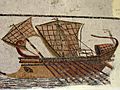
Mosaic of a Roman trireme in Tunisia
-
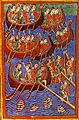
A fleet of Vikings, painted mid-12th century
-
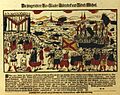
The Vitalienbrüder. Piracy became common in the Baltic Sea in the Middle Ages because of the Victual Brothers.
-
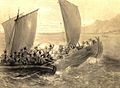
"Cossacks of Azov fighting a Turk ship" by Grigory Gagarin
-
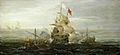
French ship under attack by Barbary pirates, around 1615
-
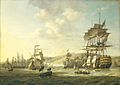
The Bombardment of Algiers by the Anglo-Dutch fleet in 1816 to support the demand to release European slaves
-
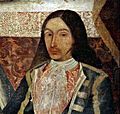
Amaro Pargo was one of the most famous corsairs of the Golden Age of Piracy
-
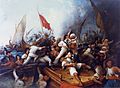
U.S. naval officer Stephen Decatur boarding a Tripolitan gunboat during the First Barbary War, 1804
-
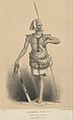
A 19th-century illustration of an Iranun pirate
-
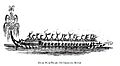
Iban war prahu in Skerang river
-
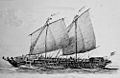
1890 illustration by Rafael Monleón of a late 18th-century Iranun lanong warship. The Malay word for "pirate", lanun, comes from an exonym of the Iranun people
-
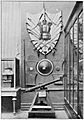
Double-barrelled lantaka cannons, kalasag shields, armor, and various swords (including kalis, panabas, and kampilan) used by Moro pirates in the Philippines (around 1900)
-
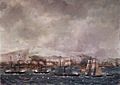
Spanish warships bombarding the Moro Pirates of the southern Philippines in 1848
-
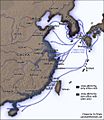
Sixteenth century Japanese pirate raids
-
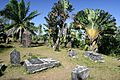
The cemetery of past pirates at Île Ste-Marie (St. Mary's Island)
-
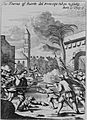
Puerto del Príncipe being sacked in 1668 by Henry Morgan
-
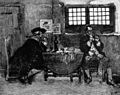
Henry Every is shown selling his loot in this engraving by Howard Pyle. Every's capture of the Grand Mughal ship Ganj-i-Sawai in 1695 was one of the most profitable pirate raids ever.
-
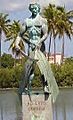
Born to a noble family in Puerto Rico, Roberto Cofresí was the last notably successful pirate in the Caribbean.
-
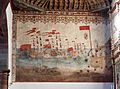
Mural representing the attack of Charles Windon to San Sebastián de La Gomera (1743)
-
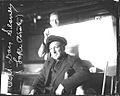
Dan Seavey was a pirate on the Great Lakes in the early 20th century.
-
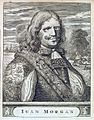
Henry Morgan who sacked and burned the city of Panama in 1671 – the second most important city in the Spanish New World at the time; engraving from 1681 Spanish edition of Alexandre Exquemelin's The Buccaneers of America
-
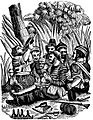
Bartholomew Roberts' crew carousing at the Calabar River; illustration from The Pirates Own Book (1837). Roberts is estimated to have captured over 470 vessels.
-

Modern reconstruction of skull alleged to have belonged to 14th century pirate Klaus Störtebeker. He was the leader of the privateer guild Victual Brothers, who later turned to piracy and roamed European seas.
-
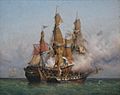
Kent battling Confiance, a privateer vessel commanded by French corsair Robert Surcouf in October 1800, as depicted in a painting by Garneray
-
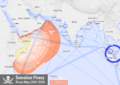
Map showing the extent of Somali pirate attacks on shipping vessels between 2005 and 2010
-

Aerial photograph of the Niger Delta, a center of piracy
-
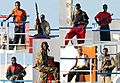
A collage of Somali pirates armed with AKM assault rifles, RPG-7 rocket-propelled grenade launchers and semi-automatic pistols in 2008
-
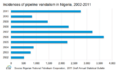
Incidences of pipeline vandalism by pirates in the Gulf of Guinea, 2002–2011
-
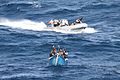
Suspected Somali pirates keep their hands in the air
-
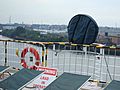
An LRAD sound cannon mounted on RMS Queen Mary 2
-
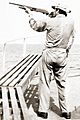
A merchant seaman aboard a fleet oil tanker practices target shooting with a Remington 870 12 gauge shotgun as part of training to repel pirates in the Strait of Malacca
-
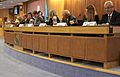
International Maritime Organization (IMO) conference on capacity-building to counter piracy in the Indian Ocean
-

British Royal Navy Commodore gives a presentation on piracy at the MAST 2008 conference
-
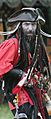
"Mic the Scallywag" of the Pirates of Emerson Haunted Adventure Fremont, California


.jpg)
_by_Aert_Anthoniszoon.jpg)
.jpg)


_Moro_%27pirate%27.jpg)

.jpg)
.jpg)

.JPG)


.jpg)


_approaches_a_suspected_p.jpg)


See also
 In Spanish: Piratería para niños
