
List of Sites of Special Scientific Interest in Northamptonshire facts for kids

Northamptonshire is a county in the middle of England. It covers about 236,700 hectares (or 914 square miles) and had around 733,000 people living there in 2016. The county is known for its low Jurassic hills, which separate the Welland and Nene rivers. It also has good transport links, including major railways and the M1 motorway.
In England, special places called Sites of Special Scientific Interest (SSSIs) are protected by an organisation called Natural England. These sites are chosen because they have very important wildlife or unique geological features. As of July 2017, Northamptonshire has 57 SSSIs. Most of these (48) are important for their plants and animals (biological interest), while 9 are important for their rocks and landforms (geological interest).
Some of these sites are extra special! For example, Upper Nene Valley Gravel Pits is a huge wetland that's important worldwide for birds. The smallest site is Irchester Old Lodge Pit, which is a nationally important geological spot from the Middle Jurassic period, millions of years ago.
Contents
What Do the Symbols Mean?
When you see information about SSSIs, you might see some symbols. Here's what they mean:
What's Special About the Site?
Can I Visit?
|
Other Important Classifications
|
Amazing SSSI Sites in Northamptonshire
Northamptonshire's SSSIs protect a wide range of natural habitats, from ancient woodlands to marshy meadows and old quarries. Let's explore some of them!
Wonderful Woodlands
Many SSSIs in Northamptonshire are ancient woodlands, some of which were once part of medieval royal forests. These woods are home to many different trees, plants, and animals.
- Alder Wood and Meadow (Corby): This old woodland is a small piece of the medieval Royal Forest of Rockingham. It's mostly ash trees, and the ground has special plants like tufted hair-grass. The meadow next to it still shows signs of old medieval farming.
- Ashton Wold (Oundle): This woodland was once owned by Charles Rothschild, who started The Wildlife Trusts! It has old oak, ash, and birch trees, with a thick layer of hawthorn and buckthorn bushes.
- Badby Wood (Badby): This ancient woodland has been a forest for over 700 years! It's mainly oak trees, and you can find beautiful wood anemones and bluebells on the ground.
- Banhaw, Spring and Blackthorn's Woods (Corby): These woods are some of the biggest parts left of the medieval Royal Forest of Rockingham. They have ash and oak trees growing on wet clay soils, and lots of different ground plants.
- Collyweston Great Wood and Easton Hornstocks (Easton on the Hill): These woods are very special because they have ash, lime, and sessile oak trees, plus wild service-trees, which show how old the woodland is. You might even find rare plants like lily-of-the-valley and columbine here.
- Everdon Stubbs (Farthingstone): This woodland is important for its many types of fungi and a variety of breeding birds. Look out for uncommon plants like wild daffodils!
- Geddington Chase (Corby): Another piece of the old Royal Forest of Rockingham, this wet ash-maple woodland has a rich ground full of bluebells and even some wild daffodils.
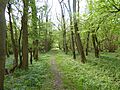
- Glapthorn Cow Pasture (Oundle): This site has ash-maple woodland and thick blackthorn bushes. It's super important for the black hairstreak butterfly, which loves blackthorn. You might also hear nightingales singing here!
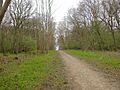
- Old Sulehay Forest (King's Cliffe): This ancient forest has many different types of soil and plants. You'll find lots of dog's mercury, ramsons, and bluebells.
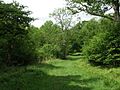
- Pipewell Woods (Corby): These woods are a great example of wet ash-maple woodland, with some parts being nationally rare. They have special plants like giant bellflower and herb paris.
- Salcey Forest (Hartwell): This large forest is famous for its many old oak trees. The ground is covered in bluebells and other plants. It's also home to many breeding birds and rare moths.
- Short Wood (Oundle): A small part of the medieval Royal Forest of Rockingham, this ancient woodland has ash and oak trees. You might find rare orchids like the bird's nest orchid here.
- Stoke and Bowd Lane Woods (Corby): These ancient woods were also part of the Royal Forest of Rockingham. They are mostly oak trees, with interesting ground plants like herb paris and different types of orchids.
- Wakerley Spinney (King's Cliffe): Another remnant of the Royal Forest of Rockingham, this spinney has oak, ash, and birch trees. Look for uncommon flowering plants like woodruff and fly orchid.
- Weldon Park (Weldon): This ancient woodland has ash, maple, and hazel trees. It's known for its diverse plants and is a home for the uncommon purple emperor butterfly.
- Whittlewood Forest (Silverstone): This is a very old woodland with many mature oak trees. These oaks are special because they are home to nationally rare beetles and lichens.
Magnificent Meadows and Marshes
Northamptonshire also protects many beautiful meadows and marshy areas, which are vital for a variety of plants and insects.
- Aldwincle Marsh (Aldwincle): This marshy area has unique plants that grow in wet conditions, like blunt-flowered rush and a rare type of bogbean. Drier parts attract butterflies and dragonflies.
- Birch Spinney and Mawsley Marsh (Broughton): Mawsley Marsh is considered one of the best marshes in Northamptonshire, with plants like blunt-flowered rush. Birch Spinney is a rare type of ash-maple woodland.
- Bosworth Mill Meadow (Welford): This meadow is managed in a traditional way, which helps many different plants grow, like crested dog's-tail and common knapweed.
- Bozeat Meadow (Bozeat): This grassland has never been treated with chemicals, so it has many different plants, including quaking grass and dwarf thistle. It also has old medieval farming patterns.
- Bucknell Wood Meadows (Silverstone): These fields have never been heavily farmed, so they have lots of different herbs, like bird's-foot-trefoil and devil's-bit scabious.
- Bugbrooke Meadows (Nether Heyford): These meadows by the River Nene often flood in winter, creating a unique habitat for damp grassland plants. They also have very old hedges that are important for wildlife.
- Bulwick Meadows (Bulwick): These marshy meadows are in the flood plain of the Willow Brook. They have rare wetland plants and are one of the few places where snipe birds breed in the county.
- Calender Meadows (Guilsborough): Natural England says this is a "nationally important site" for its natural grassland. It has a wide variety of native herbs and grasses.
- Coombe Hill Hollow (Welford): This valley has grassland that has never been treated with fertilisers, so it has many different plants and important butterfly populations.
- Dungee Corner Meadow (Bozeat): This meadow is traditionally managed and has never used artificial fertilisers, leading to a diverse range of plants, including over twenty grass species and the rare green-winged orchid.
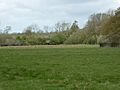
- Hardwick Lodge Meadow (Wellingborough): This grassland has many rare plants for the county, including crested hair-grass and salad burnet. A marshy area has the only population of heath spotted-orchid in Northamptonshire.
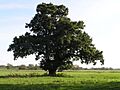
- Mill Crook (Towcester): This traditional hay meadow by the River Tove still shows signs of medieval farming. It has many different plants, including great burnet and ribwort plantain.
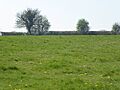
- Plumpton Pasture (Towcester): This meadow on clay still has medieval ridge and furrow patterns. The drier parts have many herbs, while the damp parts have different grasses.
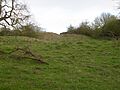
- Racecourse Farm Fields (Easton on the Hill): This former quarry is now grassland with over thirty different flowering plants in each square metre. It has several locally rare plants and is kept short by grazing sheep and cattle.
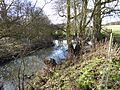
- River Ise and Meadows (Geddington): The River Ise here is considered the best example of a lowland river on clay in the county. Its banks have tall fen plants, woodland, and grassland. It's home to many insects and the nationally declining freshwater crayfish.
- Southfield Farm Marsh (Kettering): This wetland has tall plants that provide cover for birds like reed buntings and sedge warblers. You might even spot otters, red kites, and buzzards here.
- Sudborough Green Lodge Meadows (Sudborough): These two hay meadows are very special. One has never been farmed intensively and still shows medieval farming patterns.
- Syresham Marshy Meadows (Silverstone): This site has two wetland areas with over a hundred different flowering plant species.
- Titchmarsh Meadow (Titchmarsh): This wet field has a rich variety of plants, including southern marsh-orchid. An old medieval fish pond here now has marsh plants.
- Wadenhoe Marsh and Achurch Meadow (Oundle): This complex site along the River Nene has many different habitats. The meadow on the east side is the largest example in the county of natural grassland on gravel, with over 100 flowering plant species.
- Wollaston Meadows (Wellingborough): These two hay fields by the River Nene are rich in different plant species. The hedges and ditches provide homes for birds, small mammals, and insects.
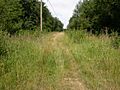
- Yardley Chase (Yardley Hastings): This area has many different natural habitats, and its value for insects has been helped by its past military use, which meant no intense farming. It has woodland and natural grassland, with 30 different butterfly species recorded.
Geological Gems
Some SSSIs are protected because they show us what the Earth was like millions of years ago, with important rocks and fossils.
- Blisworth Rectory Farm Quarry (Blisworth): This site shows rocks from the Middle Jurassic period, about 168 to 166 million years ago. You can find fossils of brachiopods (shellfish), corals, and gastropods (snails) here!
- Collyweston Slate Mine (Easton on the Hill): This old slate mine, which stopped working in 1963, shows important Jurassic rocks. It's the main place where this type of slate was found.
- Cowthick Quarry (Corby): This site has Middle Jurassic rocks from 174 to 163 million years ago. Natural England says it has "the best and most instructive sections" of this period in the Midlands.
- Cranford St John (Kettering): This former quarry shows rocks from the Middle Jurassic period, 168 to 166 million years ago. It's important for understanding a special freshwater clay bed.
- Finedon Top Lodge Quarry (Finedon): This site shows a complete section of rocks from the Middle Jurassic period, 168 to 166 million years ago. It's important for understanding a specific rock layer called the Wellingborough Member.
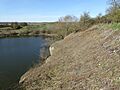
- Irchester Old Lodge Pit (Irchester): This is a very important Middle Jurassic site, 168 to 166 million years ago. It shows rocks with many fossils, especially molluscs (like snails and clams).
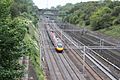
- Roade Cutting (Roade): This railway cutting shows rocks from the Middle Jurassic period, 168 to 166 million years ago. It helps scientists understand what the environment was like back then.
- Thrapston Station Quarry (Thrapston): This site has the most important remaining Middle Jurassic rock section in the Midlands. It's the main place for studying a specific clay section and has important fossils like ammonites.
- Upper Cherwell at Trafford House (Eydon): This site is where two rivers meet. It's important for understanding how rivers change over time and how the environment has changed in the past.
Other Interesting Sites
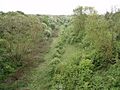
- Helmdon Disused Railway (Brackley): This old railway line has Jurassic grassland and limestone heaps with a very diverse plant community. It's home to rare butterflies like the wood white and the only place in the county for the small blue butterfly.
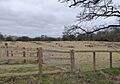
- High Wood and Meadow (Daventry): The wood here is ancient and has diverse ground plants. The meadow is a rare type of acid grassland, and you can find many ant hills made by yellow meadow ants.
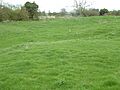
- King's Cliffe Banks (King's Cliffe): This former quarry is now grassland grazed by rabbits and cattle. It has a rich variety of plants, including wild thyme and common rock-rose, plus many mosses and lichens.
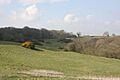
- Mantles Heath (Daventry): Most of this woodland is on acid soil, but some parts have diverse plants, including uncommon ones like wood vetch.
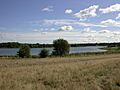
- Pitsford Reservoir (Brixworth): This is the biggest body of water in the county! It's a very important place for wild birds in winter, including many northern shovelers. Over 60 bird species breed here, like great crested grebes and kingfishers.
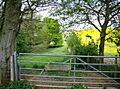
- Ramsden Corner Plantation (Northampton): This valley site has a stream, grassland, woodland, and scrub. Plants like wood millet show it's an ancient woodland.
- Twywell Gullet (Kettering): This used to be an ironstone quarry, but now it has deep cuttings with steep grassy banks. It's home to many uncommon ground-nesting bees and wasps, and rare beetles.
- Upper Nene Valley Gravel Pits (Rushden): This huge site is "nationally important" for its breeding birds that live near open water. You can find at least 21 different breeding bird species here, including mute swans and redshanks.
Images for kids
-
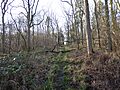
Alder Wood
-
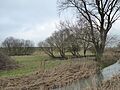
Aldwincle Marsh
-
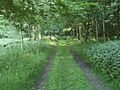
Ashton Wold
-
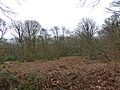
Badby Wood
-
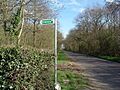
Withmale Park Wood
-
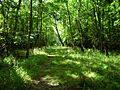
Banhaw Wood
-
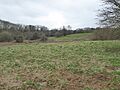
Mawsley Marsh
-
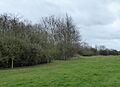
Blisworth Rectory Farm Quarry
-
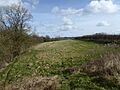
Bosworth Mill Meadow
-
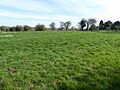
Bozeat Meadow
-
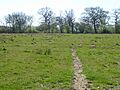
Bucknell Wood Meadows
-
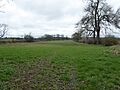
Bugbrooke Meadows
-
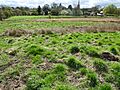
Bulwick Meadows
-
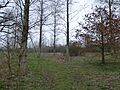
Calender Meadows
-
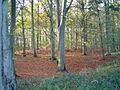
Collyweston Great Wood
-
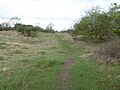
Collyweston Quarries
-
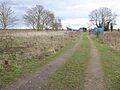
Collyweston Slate Mine
-
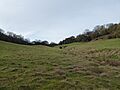
Coombe Hill Hollow
-
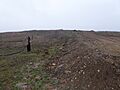
Cowthick Quarry
-
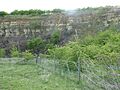
Cranford St John
-
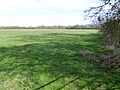
Dungee Corner Meadow
-
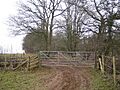
Everdon Stubbs
-
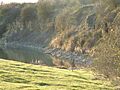
Finedon Top Lodge Quarry
-
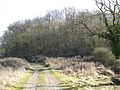
Geddington Chase
-
Glapthorn Cow Pasture
-
Hardwick Lodge Meadow
-
Helmdon Disused Railway
-
High Meadow
-
Irchester Old Lodge Pit
-
King's Cliffe Banks
-
Mantles Heath
-
Mill Crook
-
Old Sulehay Forest
-
Pipewell Woods
-
Pitsford Reservoir
-
Plumpton Pasture
-
Racecourse Farm Fields
-
Ramsden Corner Plantation
-
River Ise
-
Roade Cutting
-
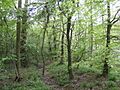
Salcey Forest
-
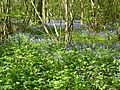
Short Wood
-
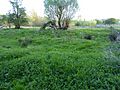
Southfield Farm Marsh
-
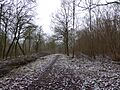
Stoke Wood
-
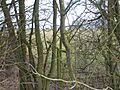
Sudborough Green Lodge Meadows
-
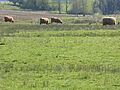
Syresham Marshy Meadows
-
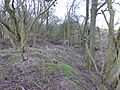
Thrapston Station Quarry
-
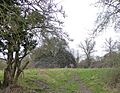
Titchmarsh Meadow
-
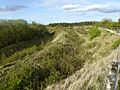
Twywell Gullet
-
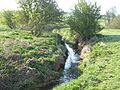
Upper Cherwell at Trafford House
-
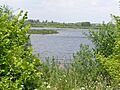
Stanwick Lakes
-
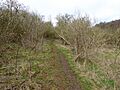
Wadenhoe Marsh and Achurch Meadow
-
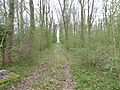
Wakerley Spinney
-
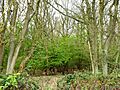
Weldon Park
-
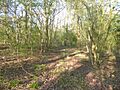
Whittlewood Forest
-
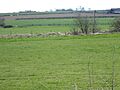
Wollaston Meadows
-
Yardley Chase


_-_geograph.org.uk_-_428884.jpg)


See also
- List of Local Nature Reserves in Northamptonshire
- Wildlife Trust for Bedfordshire, Cambridgeshire and Northamptonshire
Sources
