
Yogurt facts for kids

A plate of yogurt
|
|
| Type | Fermented dairy product |
|---|---|
| Place of origin | Probably Mesopotamia, Central Asia ~5,000 BC and independently in different places |
| Serving temperature | Chilled |
| Main ingredients | Milk, bacteria |
Yogurt is a super yummy and healthy food made from milk! It's created when special, friendly bacteria ferment (or change) the natural sugars in milk. This process makes something called lactic acid, which gives yogurt its creamy texture and slightly tangy taste. Most yogurt is made from cow's milk, but you can also find it made from milk from water buffalo, goats, sheep, and even camels!
The word "yogurt" comes from the Turkish word yoğurt. It means something like "to knead" or "to thicken." You might see it spelled in a few ways, like yogurt (common in the United States) or yoghurt (common in the United Kingdom).
Contents
- The Amazing History of Yogurt
- Yogurt's Nutritional Power
- How Yogurt Helps Your Health
- Keeping Yogurt Safe to Eat
- Delicious Varieties and Ways to Enjoy Yogurt
- How Yogurt is Made
- Buying Yogurt: What to Look For
- Yogurt for Lactose Intolerance
- Plant-Based Yogurt Alternatives
- Ant Yogurt: A Unique History
- Gallery
- See also
The Amazing History of Yogurt
People have been enjoying yogurt for a very, very long time! It was probably discovered by accident around 5000 BC in places like Central Asia and Mesopotamia. Imagine early farmers storing milk in animal skin bags. The natural bacteria in the air and on the skins would have fermented the milk, turning it into yogurt! It was a great way to preserve milk before refrigerators existed.
Ancient Greeks had a similar food called oxygala, which they ate with honey. This is similar to how many people enjoy Greek yogurt today. The oldest writings mentioning yogurt are from Pliny the Elder, who noted that some "barbarous nations" knew how to thicken milk into a tasty, sour food.

In the 1900s, a Bulgarian student named Stamen Grigorov studied the bacteria in yogurt. He found two main types. Later, a famous Russian scientist named Ilya Mechnikov thought that eating yogurt regularly helped people live longer. This idea made yogurt very popular across Europe.
The first company to sell yogurt on a large scale was started in Spain in 1919 by Isaac Carasso. He named his business Danone ("little Daniel") after his son. Later, fruit was added to yogurt, making it even more popular, especially in the United States in the 1950s and 60s.
Yogurt's Nutritional Power
| Nutritional value per 100 g (3.5 oz) | |
|---|---|
| Energy | 406 kJ (97 kcal) |
|
3.98 g
|
|
| Sugars | 4.0 g |
| Dietary fiber | 0 g |
|
5.0 g
|
|
|
Protein
|
9.0 g
|
| Vitamins | Quantity
%DV†
|
| Vitamin A equiv.
beta-Carotene
lutein zeaxanthin
|
0%
26 μg22 μg
|
| Thiamine (B1) |
2%
0.023 mg |
| Riboflavin (B2) |
23%
0.278 mg |
| Niacin (B3) |
1%
0.208 mg |
| Pantothenic acid (B5) |
7%
0.331 mg |
| Vitamin B6 |
5%
0.063 mg |
| Folate (B9) |
1%
5 μg |
| Vitamin B12 |
31%
0.75 μg |
| Choline |
3%
15.1 mg |
| Vitamin C |
0%
0 mg |
| Minerals | Quantity
%DV†
|
| Calcium |
10%
100 mg |
| Iron |
0%
0 mg |
| Magnesium |
3%
11 mg |
| Manganese |
0%
0.009 mg |
| Phosphorus |
19%
135 mg |
| Potassium |
5%
141 mg |
| Sodium |
2%
35 mg |
| Zinc |
5%
0.52 mg |
| Other constituents | Quantity |
| Selenium | 9.7 µg |
| Water | 81.3 g |
|
Link to Full Report from USDA Database
|
|
| †Percentages estimated using US recommendations for adults. | |
Yogurt is a good source of important nutrients! Plain yogurt (from whole milk) is mostly water, but it also has about 9% protein, 5% fat, and 4% carbohydrates (including sugars). A 100-gram serving gives you about 406 kilojoules of energy.
As part of your daily diet, yogurt is a great source of vitamin B12 and riboflavin. It also provides a good amount of protein, phosphorus, and selenium. These nutrients are important for your body to grow strong and stay healthy.
How Yogurt Helps Your Health
Many people believe yogurt is good for you because it often contains "live cultures" or probiotics. These are beneficial bacteria that can help your immune system and digestive system work better.
Some studies suggest that eating yogurt might help improve your bone health. It could also lower the risk of certain diseases, like type 2 diabetes. Eating yogurt regularly has been linked to a reduced risk of being overweight or having obesity. It can also help people who have trouble digesting lactose, the sugar in milk.
Keeping Yogurt Safe to Eat
It's important to make sure yogurt is safe to eat. Yogurt made with raw milk (milk that hasn't been heated) can sometimes have harmful bacteria. These bacteria can cause serious illness. That's why most yogurt you buy in stores is made from pasteurized milk. Pasteurization means the milk has been heated to kill any bad bacteria.
If you ever see mold on yogurt, it's best to throw it away. The soft consistency of yogurt allows mold to spread deeply under the surface.
Delicious Varieties and Ways to Enjoy Yogurt
Yogurt comes in many exciting forms and is enjoyed all over the world!

Sweetened and Flavored Yogurt
Plain yogurt can be a bit sour, so many yogurts are sweetened with sugar or other sweeteners. You'll find lots of flavors, especially fruit flavors like strawberry or blueberry. Some yogurts even taste like desserts, such as chocolate or cheesecake! While these are delicious, remember that some flavored yogurts can have a lot of sugar.
Strained Yogurt (Greek Yogurt)
Have you ever tried Greek yogurt? It's a type of strained yogurt. This means extra liquid, called whey, is removed, making the yogurt much thicker and creamier. It's often used in savory dishes like Tzatziki (a dip with cucumber and garlic). It's also delicious eaten with honey and fruit.

Yogurt Drinks
Yogurt is also used to make refreshing drinks!
- Lassi is a popular Indian beverage. It can be sweet (often with fruit like mango) or salty (with spices).
- Ayran is a salty, yogurt-based drink common in places like Turkey.
- You can also find sweetened "drinkable yogurts" or "yogurt smoothies" in many stores. These often come in fruit flavors.

How Yogurt is Made
Making yogurt is a cool process! First, milk is heated to a specific temperature (between 30 and 45 degrees Celsius). This heating step, called pasteurization, kills any unwanted bacteria and prepares the milk. Then, special "starter" bacteria, usually Streptococcus thermophilus and Lactobacillus bulgaricus, are added to the warm milk. The milk is kept warm for several hours (4 to 12 hours). This allows these friendly bacteria to grow and ferment the milk sugars. This fermentation is what turns the milk into yogurt!

Sometimes, extra dried milk is added to make the yogurt even firmer. The heating and the acidity (sourness) created by the bacteria both help to keep the yogurt safe from bad germs.
Buying Yogurt: What to Look For
When you buy yogurt, you might see different labels.
- Some yogurts are "pasteurized yogurt" or "heat-treated fermented milk." This means they were heated after the yogurt was made to kill all bacteria. This makes them last longer on the shelf.
- "Live yogurt" or "active yogurt" means it contains live, beneficial bacteria. Many people prefer these for their potential health benefits.

Yogurt for Lactose Intolerance
For people who have lactose intolerance (meaning their bodies have trouble digesting lactose, the sugar in milk), yogurt with live cultures can be a good choice! The friendly bacteria in the yogurt help break down the lactose. This makes it easier for people with lactose intolerance to digest.
Plant-Based Yogurt Alternatives
If someone can't drink cow's milk or chooses not to, there are many plant-based yogurt alternatives! These are made from things like soy milk, almond milk, coconut milk, or oat milk. They are fermented with different types of friendly bacteria. While they might taste and feel a bit different from dairy yogurt, they are a great option for vegans or those with lactose intolerance. In some places, like Europe, these products can't be called "yogurt" because that name is reserved for dairy products.
Ant Yogurt: A Unique History
This is a really unusual one! In some parts of Bulgaria and Turkey, people historically made a type of yogurt using red wood ants! A few ants were added to warm milk. The formic acid from the ants helped the milk ferment. The ants' own microbes also helped create the yogurt. It's a unique example of how different cultures have found ways to make this ancient food!
Gallery
-
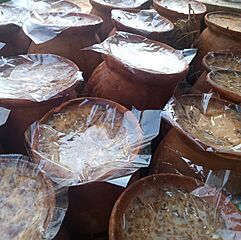
Sweet yogurt, made and contained in pots of clay are kept for sale, Bangladesh.
-
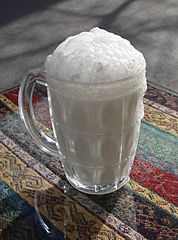
Ayran is a savory yogurt-based beverage, traditionally served cold and is sometimes carbonated and seasoned with mint and salt.
-
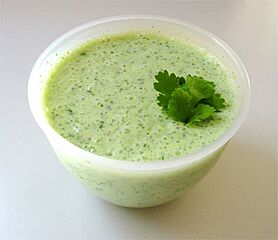
Raita is a condiment made with yogurt in the Indian subcontinent.
-
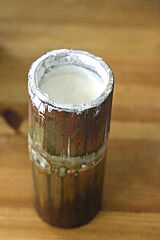
Dadiah in a market.
-
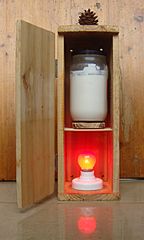
Homemade yogurt incubator.


See also
 In Spanish: Yogur para niños
- List of fermented milk products
- Frozen yogurt
- List of dairy products
- Probiotic
- List of yogurt-based dishes and beverages
