
Robin Hood facts for kids

Robin Hood is a famous legendary hero from English folklore. He is known as a heroic outlaw. People have told his stories in books, plays, and movies for hundreds of years.
According to the legends, Robin Hood was an amazing archer and swordsman. He is most famous for his motto: "robbing the rich to give to the poor." This means he took money from wealthy, often unfair, people and gave it to those in need.
In some stories, Robin Hood was born into a noble family. Later tales say he fought in the Crusades. He returned to England to find his lands taken by the Sheriff of Nottingham. However, the oldest stories describe him as a "yeoman." This meant he was a common person, but skilled and independent. He is usually shown wearing clothes of Lincoln green color.
Over time, many characters joined Robin Hood's adventures. These include his love, Maid Marian, and his loyal group of friends, the Merry Men. His main enemy is the Sheriff of Nottingham. The Sheriff often helped Prince John rule unfairly while the rightful king, King Richard, was away. Robin Hood always stayed loyal to King Richard. Robin Hood became a popular hero in the Late Middle Ages. His support for common people and his fight against the Sheriff are key parts of his legend.
The story of Robin Hood has been adapted many times. It is one of the most well-known tales in English folklore. Today, the name "Robin Hood" often describes any hero who fights against unfair power.
Robin Hood: England's Legendary Hero
Who Was Robin Hood?
Robin Hood is a legendary figure, not a historical person with clear records. He represents a hero who stands up for justice. He is known for his incredible skill with a bow and arrow. He also used a sword to defend himself and others.
His main goal was to help the poor and oppressed. He believed in fairness and challenged those who abused their power. This made him a symbol of hope for many.
The Story's Main Characters
Robin Hood's adventures are filled with memorable characters. They help him in his quest for justice.
- Robin Hood: The brave leader, known for his archery and kindness.
- Maid Marian: Robin Hood's true love, often portrayed as strong and clever.
- The Merry Men: Robin Hood's loyal band of followers.
- Little John: Robin's tall, strong, and trusted friend. They famously fought with quarterstaffs when they first met.
- Friar Tuck: A jolly and strong friar who joins the Merry Men.
- Will Scarlet: A skilled fighter and one of Robin's closest companions.
- Alan-a-Dale: A minstrel or musician who often helps the Merry Men.
- Much the Miller's Son: Another loyal member of the group.
- King Richard the Lionheart: The good king, often away on Crusades. Robin Hood remains loyal to him.
- Prince John: King Richard's brother, who rules unfairly in his absence.
- The Sheriff of Nottingham: Robin Hood's main enemy, a cruel and greedy official.
- Sir Guy of Gisbourne: A knight who often tries to capture Robin Hood for the Sheriff.
How the Story Grew Over Time
The legend of Robin Hood has changed and grown over many centuries. It started with simple songs and stories.
Early Tales and Plays
The first clear mentions of Robin Hood stories appeared in the late 1300s. People enjoyed listening to "tales and songs of Robin Hood." The oldest surviving written stories are called ballads. These date back to the late 1400s. In these early ballads, Robin Hood was already known for helping the poor. He was also a skilled archer and disliked the Sheriff of Nottingham.

Early stories also featured Little John, Much the Miller's Son, and Will Scarlet. Maid Marian and Friar Tuck joined the legend a bit later. Friar Tuck was part of Robin Hood plays by the late 1400s.
Robin Hood also became part of May Day celebrations. People would dress up as Robin Hood and his friends for games and plays. This is how Maid Marian became a key part of the legend. She was often a "May Queen" in these festivities.
Robin Hood in Modern Times
Over the 19th and 20th centuries, Robin Hood's story became popular for children. Books like Howard Pyle's The Merry Adventures of Robin Hood (1883) helped shape the modern image of Robin. Pyle's version strongly showed Robin as a generous hero. He took from the rich to give to the poor.

The idea of Robin Hood as a noble Saxon fighting against Norman lords became popular in the 1800s. This was especially true after Walter Scott's novel Ivanhoe (1819). This book greatly influenced how we see Robin Hood today.
Modern films and TV shows have continued to adapt the legend.
- The 1938 film The Adventures of Robin Hood, starring Errol Flynn, showed Robin as a national hero. He led Saxons against Norman rulers while King Richard was away.
- The 1973 animated Disney film Robin Hood famously portrayed the characters as anthropomorphic animals. Robin Hood was a fox.
- The 1976 film Robin and Marian showed an older Robin Hood, played by Sean Connery, returning from the Crusades. Audrey Hepburn played Maid Marian.
- Since the 1980s, many versions have included a Saracen (Arab or Muslim) character among the Merry Men. Examples include Nasir in the 1984 TV series Robin of Sherwood and Azeem in the 1991 film Robin Hood: Prince of Thieves.


Was Robin Hood a Real Person?
Historians have debated for centuries whether Robin Hood was a real person. It is difficult to know for sure. "Robert" was a very common name in medieval England. "Robin" was a popular nickname for it. The name "Hood" was also common, referring to someone who made or wore hoods.
Because of this, many medieval records mention people named "Robert Hood" or "Robin Hood." Some of these people were known outlaws. However, there is no strong evidence that any one of them was the legendary Robin Hood.
Most scholars today believe that Robin Hood is a folk hero. This means he is a character created from popular stories and legends, rather than a single historical person. He might be inspired by many different outlaws and stories from the past.
Where Did Robin Hood Live?
The Robin Hood legend is strongly connected to specific places in England.
Sherwood Forest and Nottingham
.jpg)
In popular culture, Robin Hood and his Merry Men are famous for living in Sherwood Forest. This forest is in Nottinghamshire. The oldest recorded Robin Hood song, from around 1420, mentions him in Sherwood.
Specific places in Nottinghamshire linked to the legend include:
- Robin Hood's Well: A historic well near Newstead Abbey.
- The Church of St. Mary: In the village of Edwinstowe.
- The Major Oak: A very old tree in Sherwood Forest. Legend says it was a hideout for the Merry Men. Scientists estimate the tree is about 800 years old. This means it would have been a young tree in Robin Hood's time.

Yorkshire Connections
Some historians argue that the Robin Hood legend might have started in Yorkshire. This county borders Nottinghamshire. Early ballads used a northern dialect, possibly from Yorkshire. Also, some early place names linked to Robin Hood were found in West Yorkshire.
The medieval forest of Barnsdale in South Yorkshire is mentioned in the original ballads. It was a wooded area where many of Robin Hood's adventures took place. A tradition says Robin Hood was born in Loxley, near Sheffield.
.jpg)
The Gest of Robyn Hode mentions a chapel Robin built in Barnsdale. It was dedicated to Mary Magdalene. The Church of Saint Mary Magdalene at Campsall is the only church with this dedication in the area. Local stories say Robin Hood and Maid Marian were married there.
The Legend of His Grave
Near Kirklees Priory in West Yorkshire, there is a grave said to be Robin Hood's. The legend says that before he died, Robin shot an arrow from the priory window. He asked to be buried where the arrow landed. The story also says the prioress, a relative, betrayed him while he was ill, leading to his death.

The inscription on the grave is in modern English, not the language of the 13th century. This suggests the tomb is from a much later time, likely the late 1700s. While it's a popular local story, historians generally don't believe this is Robin Hood's actual grave.
More Heroes Like Robin Hood
Robin Hood is not the only legendary hero known for helping the poor and fighting injustice. Many cultures have similar figures:
- Ishikawa Goemon: A legendary Japanese outlaw who stole from the rich.
- Juraj Jánošík: A famous Slovakian outlaw hero.
- Joaquin Murrieta: A legendary figure from California, sometimes called the "Robin Hood of the West."
- William Tell: A Swiss folk hero known for his archery and defiance against tyranny.
Images for kids
-
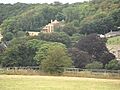
The site of the Saylis at Wentbridge.
-
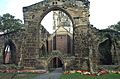
The new church within the old. After All Saints' Church, Pontefract was damaged during the English Civil War, a new brick chapel was built within its ruins in 1967.
-
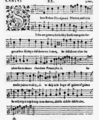
An Elizabethan song references Robin Hood in the context of the folk dancing revival of William Kempe.


See also
 In Spanish: Robin Hood para niños
- Cultural depictions of Robin Hood
- Ivanhoe
- Redistribution of wealth
- Robin Hood tax
- Tall tales
