
Protected area facts for kids


Protected areas (also called conservation areas) are special places on land or in the sea where nature is protected by law. In these zones, human activities like building cities, cutting down trees for timber, hunting wild animals, and mining are strictly limited or completely banned. These locations keep ecosystems healthy and safeguard plants, animals, and rare landscapes for the future.
Protected areas include famous national parks, remote wilderness reserves, and special underwater ocean sanctuaries known as marine protected areas. Some reserves even stretch across international borders; these are called transboundary protected areas. Around the globe, there are more than 161,000 recognized protected areas. Together, they cover around 17 percent of Earth's land surface outside of Antarctica, along with over 10 percent of coastal waters.
Global conservation efforts are growing rapidly. An international target known as the 30 by 30 plan aims to protect at least 30 percent of the world's land and oceans by the year 2030. This landmark goal was officially adopted by world leaders at the United Nations Biodiversity Conference (COP15) under the Kunming-Montreal Global Biodiversity Framework.
Protected areas provide safe habitats for threatened and endangered species. They allow natural processes to thrive without harmful interference. Today, environmental managers work closely with indigenous peoples and local communities to protect these natural treasures peacefully and fairly.
Contents
- What Is a Protected Area?
- Protection of Natural Resources
- Protection of Biodiversity
- Protection of Ecosystem Services
- IUCN Protected Area Categories
- History of Nature Conservation
- International Agreements and Treaties
- Challenges in Conservation Management
- Bhutan: A Global Conservation Role Model
- Protected Areas Around the World
- See Also
- Images for kids
What Is a Protected Area?
The International Union for Conservation of Nature (IUCN) is the leading global authority on the natural world. It defines a protected area as:
A clearly defined geographical space, recognized, dedicated and managed, through legal or other effective means, to achieve the long-term conservation of nature with associated ecosystem services and cultural values.
This means a reserve must have clear borders and real legal protections to count as an official protected area.
How Protected Areas Help Fight Climate Change


Protected areas are critical tools in fighting climate change and buffering its effects:
- Banning destructive industries: Stopping logging, mining, and large-scale farming keeps healthy natural landscapes intact.
- Absorbing carbon dioxide: Forests, wetlands, and sea meadows store huge amounts of carbon, preventing greenhouse gases from entering the atmosphere.
- Protecting coastal environments: Mangrove forests, coral reefs, and salt marshes defend coastlines from strong ocean storms and rising sea levels.
- Fighting ocean acidification: Healthy marine reserves protect underwater plants and algae, balancing water chemistry through natural processes.
- Helping wildlife adapt: Large, unbroken nature reserves give animal species room to move, migrate, and adapt to shifting temperature conditions.
Protection of Natural Resources
Protected areas preserve Earth's valuable natural wealth. They protect unique natural features, rich soil, clean freshwater supplies, and ancient forests.
Key Biodiversity Zones
Protected areas are often placed around special environmental locations:
- Important Bird Areas (IBAs): Critical nesting, feeding, and resting grounds for migrating birds.
- Centres of Plant Diversity (CPDs): Regions packed with unique and rare plant life.
- Alliance for Zero Extinction (AZE) Sites: Last-chance habitats for species facing extinction.
- Key Biodiversity Areas (KBAs): Critical places that support global wildlife survival.
- Indigenous and Community Conserved Areas (ICCAs): Lands conserved and stewarded by local indigenous populations.
Forests and Soil Conservation
Over 813 million hectares of forest are preserved inside protected areas worldwide, representing about 20 percent of Earth's total forest cover. Asia leads with approximately 26 percent of its forests in protected zones.
Additionally, hundreds of millions of hectares are protected to shield soils from erosion and keep water tables clean. Forests prevent landslides, enrich agricultural soil, and naturally filter freshwater rivers that millions of people drink from every day.
Storing Global Carbon
Deforestation contributes heavily to global carbon emissions. Protected areas safeguard major "carbon sinks" (places that pull carbon out of the air and lock it away):
- Land-based protected areas hold more than 15 percent of all terrestrial carbon stocks.
- Protected areas in South America alone safeguard 27 percent of global terrestrial carbon.
- Mountain protected areas safeguard alpine headwaters and fragile cold-climate habitats across 14 percent of the world's mountain regions.
Protection of Biodiversity
The main goal of conservation areas is protecting biodiversity—the huge variety of living plants, animals, fungi, and microscopic organisms on our planet.
When habitats are broken into pieces by roads and cities, wildlife populations shrink. Studies of 2,239 terrestrial vertebrate populations discovered that animal numbers in unprotected areas decline five times faster (−1.8 percent per year) than in protected areas (−0.4 percent per year). Giving animals space without disturbance directly saves them from vanishing.
Protection of Ecosystem Services

Ecosystem services are the free natural benefits that healthy ecosystems provide to all humans:
- Provisioning services: Supplying clean drinking water, wild food, and medicinal plants.
- Regulating services: Purifying air, filtering dirty water, cycling nutrients, and stopping infectious disease outbreaks.
- Supporting services: Producing oxygen through photosynthesis and creating nutrient-rich soil.
- Cultural services: Providing scenic spaces for recreation, ecotourism, spiritual traditions, and outdoor education.
Natural wetlands and forests filter out toxic chemicals and bacteria from runoff before water reaches city taps. Setting aside protected watersheds saves billions of dollars that would otherwise be spent on expensive artificial water-treatment facilities.
IUCN Protected Area Categories
The IUCN World Commission on Protected Areas organizes reserves into six major categories based on their management goals:
- Category Ia – Strict nature reserve: Areas set aside exclusively for scientific study and biodiversity preservation. Human visitation is strictly limited.
- Category Ib – Wilderness area: Large, unmodified areas protected to preserve their wild, natural character without permanent human settlements.
- Category II – National park: Large natural areas designed to protect ecological systems while allowing educational visits and recreation.
- Category III – Natural monument or Feature: Specific natural landforms, geological features, or ancient groves (such as a sea cave or giant waterfall).
- Category IV – Habitat/Species Management Area: Protected areas managed with hands-on conservation work to protect target species or habitats.
- Category V – Protected landscape/Seascape: Areas where traditional human interaction with nature over time has created distinct cultural and ecological value.
- Category VI – Protected Area with Sustainable Use: Natural reserves where local people use natural resources sustainably while safeguarding long-term biodiversity.
History of Nature Conservation

The custom of setting aside special natural places is thousands of years old. Ancient civilizations established sacred forests and protected natural springs. Over 2,000 years ago, royal decrees in ancient India protected wildlife and forests. In the Pacific islands, indigenous traditions created "tapu" zones where fishing and harvesting were banned during certain seasons to allow wildlife numbers to recover.
In 1776, the Main Ridge Forest Reserve was established on the Caribbean island of Tobago, making it the oldest legally protected nature reserve created for environmental protection. In 1778, Bogd Khan Mountain in Mongolia received official government protection after local nomadic communities had cared for it as a sacred mountain for generations.
The modern national park movement accelerated in the late nineteenth century. In 1872, the United States established Yellowstone National Park, famous for its geysers, hot springs, and wildlife. Similar national parks were quickly created in Australia, Canada, and New Zealand.
In 1962, the First World Conference on National Parks brought countries together to coordinate global conservation. Landmark international treaties followed, including the 1972 Stockholm Declaration, the 1982 World Charter for Nature, and the 1992 Earth Summit in Rio de Janeiro, Brazil.
International Agreements and Treaties
The Convention on Biological Diversity
The Convention on Biological Diversity (CBD) is an international environmental treaty created in 1992. Nations that sign the CBD agree to build strong networks of protected areas.
In 2010, the CBD adopted the Aichi Biodiversity Targets. Target 11 urged countries to protect at least 17 percent of terrestrial land and 10 percent of coastal waters by 2020.
The 30 by 30 Conservation Goal
Building on these earlier treaties, nearly 200 countries approved the Kunming-Montreal Global Biodiversity Framework. The centerpiece is the "30 by 30" pledge: protecting 30 percent of the planet's land, freshwater, and oceans by the year 2030.
To help reach this goal, experts use the term other effective area-based conservation measures (OECMs). These are lands managed for other purposes—such as military reserves, scientific stations, or community-owned lands—that successfully preserve biodiversity alongside standard national parks.
Challenges in Conservation Management


Managing protected areas involves many complex scientific and community challenges:
Funding and Boundary Enforcement
Hiring wildlife rangers, purchasing patrol boats, maintaining park trails, and conducting scientific studies requires substantial funding. In areas where resources are low, protected areas can risk becoming "paper parks"—places protected on paper by law but lacking active management or enforcement on the ground.
Community Collaboration and Fair Management
Historically, some national parks were created by pushing local or indigenous people off their ancestral lands. Modern conservation focuses on working directly with local communities, respecting traditional land rights, and sharing tourism income. When local communities actively lead conservation decisions, wildlife protection is far more successful.
Human-Wildlife Interactions
As human populations grow near park boundaries, wild animals can wander onto farmlands, damaging crops or livestock. Conservation organizations work with local farmers to build wildlife-friendly fences, use guard animals, and establish fair compensation systems when losses occur.
PADDD: Changing Legal Protections
Conservation status is not always permanent. Scientists study an issue known as PADDD (Protected area downgrading, downsizing, and degazettement):
- Downgrading: Lowering legal restrictions inside a reserve to allow activities like mining or commercial fishing.
- Downsizing: Shrinking the official legal boundaries of a reserve.
- Degazettement: Completely removing legal protection from a park.
Since 1892, thousands of PADDD events have affected protected lands worldwide, usually driven by demands for mining, timber, oil, and road construction.
Bhutan: A Global Conservation Role Model
The Himalayan nation of Bhutan has one of the world's most successful conservation systems. Over 51 percent of the country is preserved as protected areas and biological corridors.
Biological corridors are connected natural pathways that link isolated parks together, letting animals travel safely between habitats to find food and mates.
Extensive camera-trap studies have proved that Bhutan's connected reserves support healthy populations of rare wildlife, including:
- Tigers and clouded leopards
- Asian elephants and wild water buffalo
- Chinese pangolins and Indian pangolins
- Gee's golden langurs and musk deer
- Binturongs, dholes, and Tibetan foxes
Bhutan shows how uniting local communities with government protection keeps large carnivores and herbivores thriving.
Protected Areas Around the World


Australia
Australia protects vast landscapes across its continent and surrounding seas. The National Heritage List catalogs natural and cultural sites of national significance. Australia also features Indigenous Protected Areas (IPAs), which are managed directly by Indigenous Australians through traditional knowledge combined with modern conservation techniques.
Canada
Canada maintains hundreds of national and provincial parks across its vast wilderness. Famous examples include Banff National Park and Yoho National Park in the Canadian Rocky Mountains. Canada also creates Marine Protected Areas in the Atlantic, Pacific, and Arctic oceans.
China
China is a megadiverse country that manages more than 10,000 protected areas, covering approximately 20 percent of its land area. These reserves protect diverse habitats ranging from tropical rainforests in the south to the high-altitude Tibetan Plateau. China has established large national parks specifically to protect the giant panda, the snow leopard, and the Siberian tiger.
European Union
Natura 2000 is the world's largest coordinated network of protected areas. It covers over 18 percent of the EU's total land area and large marine zones across all member countries. The network was created under the EU Birds Directive and Habitats Directive to safeguard Europe's most valuable and threatened wildlife species.
India
Protected areas of India include national parks, wildlife sanctuaries, biosphere reserves, and community conservation reserves. These sites protect iconic species such as the Bengal tiger, Indian rhinoceros, and Asian elephant.
Indonesia
Indonesia has over 500 protected areas, including 57 national parks covering more than 36 million hectares. These reserves safeguard rich tropical rainforests, active volcanoes, and coral reefs in the Coral Triangle, protecting rare animals like orangutans, Komodo dragons, and Sumatran rhinos.
Lebanon
Lebanon features unique plant biodiversity across its Mediterranean mountain terrain. The country has established nature reserves and traditional community-managed areas called *Hima*. Lebanon is home to three UNESCO Biosphere Reserves:
- Al Shouf Cedar Nature Reserve (preserving ancient Lebanon cedar trees)
- Jabal Al Rihane Biosphere Reserve
- Jabal Moussa Biosphere Reserve
Philippines
The Philippines manages 244 protected areas under the National Integrated Protected Areas System (NIPAS), covering roughly 15.4 percent of the nation's territory. These areas include coastal sanctuaries like the Tubbataha Reefs Natural Park and mountain reserves that shelter the critically endangered Philippine eagle.
United States
In the United States, federal, state, and tribal governments manage thousands of protected areas. These include National Parks, National Wildlife Refuges, National Monuments, and Wilderness Areas. Famous examples include the Grand Canyon National Park, Everglades National Park, and Yellowstone National Park. American protected areas cover more than 27 percent of the nation's total land territory.
See Also
 In Spanish: Área protegida para niños
- Biodiversity hotspot
- Biosphere reserve
- Conservation biology
- Deforestation
- Ecotourism
- Endangered species
- Indigenous and Community Conserved Area
- Marine Protected Area
- National park
- Nature reserve
- Park ranger
- Ramsar Convention
- Wildlife corridor
- World Heritage Site
Images for kids
-
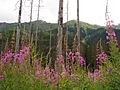
Strict nature reserve Belianske Tatras in Slovakia
-
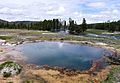
Black Opal Spring in Yellowstone National Park in the United States. Yellowstone, the world's second official protected area (after Mongolia's Bogd Khan Mountain), was declared a protected area in 1872, and it encompasses areas which are classified as both a National Park (Category II) and a Habitat Management Area (Category IV).
-
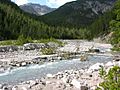
Schweizerischer National Park in the Swiss Alps is a Strict Nature Reserve (Category Ia).
-
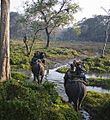
The Jaldapara National Park in West Bengal, India, is a Habitat Management Area (Category IV).
-
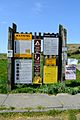
Prohibited activities and safety instructions at a state park in Oregon
-
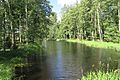
Kuivajärvi, the Natura 2000 area in Tammela, Tavastia Proper, Finland
