
Judaism facts for kids

Judaism (pronounced JOO-day-iz-um) is the oldest Abrahamic religion in the world. It started almost 4,000 years ago. About 15 million people follow Judaism, and they are called Jews. It is also the oldest religion that believes in only one God (this is called monotheism). The Torah is the most important holy book in Judaism. The rules and teachings of Judaism come from the Torah, which is the first five books of the Hebrew Bible, and from oral traditions. Some of these traditions were later written down in books like the Talmud.
Both Christianity and Islam are similar to Judaism. These religions also believe in one God and follow many of the moral teachings from the Hebrew Bible (also known as the Old Testament), which includes the Torah.
Contents
- What Jews Believe
- Holy Writings
- Daily Life
- Holidays
- How Did Judaism Get Its Name?
- Big Stories of the Hebrew Bible and the Talmud
- History of the Jewish People
- What Do Jewish People Believe?
- Great Books and Sacred Texts
- Who Is Considered Jewish?
- Different Branches of Modern Judaism
- Daily Life, Symbols, and Jewish Clothing
- Exciting Holidays and Celebrations
- Important Steps in Growing Up
- Inside the Synagogue and Community Leaders
- Jewish Values and Caring for Our Planet
- Images for kids
- Related Pages
- See Also
What Jews Believe
-
-
-
-
-
- Thirteen Main Beliefs
-
-
-
-
A famous Jewish teacher named Maimonides lived in the 12th century. He wrote down thirteen main beliefs in Judaism. These are called the “Principles of Faith.” They include:
- God is the one who made and rules the world.
- There is only one God, and He will always be the only God.
- God does not have a body or a physical shape. Nothing else is like Him.
- God lives forever.
- Only God can answer prayers, and people should only pray to Him.
- The words of the Prophets are true.
- Moses was the greatest of all the Prophets.
- God gave the whole Torah to Moses.
- God will not change the Torah or give another one.
- God knows what people do and think.
- God rewards good actions and punishes bad ones.
- The Messiah (a special leader) will come.
- God will bring dead people back to life when He chooses.
The three main ideas in Judaism are believing in one God (Monotheism), understanding Jewish identity, and the covenant (a special agreement between God and His people).
A very important teaching in Judaism is that there is only one God. This God wants people to be fair and kind. Judaism teaches that you serve God by learning from holy books and by doing what they teach. This includes both religious actions and being ethical. Judaism also teaches that all people are made in God's image and should be treated with dignity and respect.
One God
Judaism teaches that there is one God, and only one God. This God is Yahweh. Only God created the universe, and only He controls it. Judaism also teaches that God is spiritual, not physical.
Jews believe that God is completely one. He cannot be divided into parts. People cannot describe how He looks, only what He is and what He does.
Jews believe that all goodness and good behavior come from God. God cares about what people do and watches them.
Judaism says that God exists forever, is everywhere, and knows everything. He is beyond nature (supernatural), but He is also in the world. He hears people's prayers and can answer them. God is the most powerful force in the universe.
Judaism teaches that God lets people choose what to do. This is called “free will.” With free will, people can choose their actions, but they are also responsible for them. God rewards people who do good things and punishes those who do bad things. God gives rewards or punishments in this world, but the final reward or punishment for a person's soul happens after they die.
The Jewish People

Jews believe that God made an agreement called a “covenant” with Abraham, who is an ancestor of the Jewish people. The Bible says that God promised to bless Abraham and his descendants if they worshipped God and stayed faithful to Him. God made this same covenant with Abraham's son, Isaac, and with Isaac's son, Jacob. God gave Jacob another name: Israel. This is why Jacob’s descendants are called the “Children of Israel” or “Israelites.”
Later, God gave the Torah to the Israelites through their leader, Moses. The Torah told the Israelites how to live and build their community. God gave them the Ten Commandments and other laws in the Torah.
Jews are sometimes called the “Chosen People.” This is because the Bible says God told them they would be a "holy nation" (Exodus 19:6). Jews understand this to mean they have special duties and responsibilities from God. For example, Jews must build a just society and serve only God. Jews believe this covenant works two ways: if they follow God’s laws, He will protect them. But they are also responsible for their sins (bad actions) if they don't do what God told them.
Jews believe their job is to be "a light to the nations" (Isaiah 49:6). This means showing the world ways to make it a better place. They believe God has given them a special task to "repair the world," which they call “tikkun olam.” This means making the world a better place by reducing suffering, increasing peace and respect among people, and protecting the environment.
Jews do not try to convince other people to become Jewish. They believe they have a special job to show that God exists, but people do not have to be Jewish to follow God. All people can serve God by following the Seven Commandments (rules) given to Noah. However, Judaism accepts people who choose to change their religion to Judaism.
Torah and Mitzvot

Jews believe that God tells them in the Torah how they should live. The Torah says God wants the people of Israel to follow His ways, to love Him, and to serve Him, and to keep God’s commandments (Deut. 10:12–13). In Judaism, actions are more important than beliefs, and beliefs should lead to actions.
These actions are called “mitzvot” in Hebrew (one is a mitzvah). Sometimes they are called “laws,” "rules," or “commandments.” Many people also think of a mitzvah as "a good act." There are 613 mitzvot in the Torah. Jews believe that the Torah gives mitzvot for all people; everyone must keep seven laws given to Noah. Jews must keep 613 mitzvot, which are listed in the Torah.
Some mitzvot are about how people should act towards other people. For example, they must give charity to a poor person or help someone in danger. They must not steal or lie. These are ethical and moral mitzvot.
Other mitzvot are about how people should act towards God. For example, they must respect God’s name or not work on the Sabbath. These are religious or ritual mitzvot. Jews believe that God wants them to do both ethical and religious acts.
Jews see mitzvot as actions that bring holiness to the world and bring people closer to God. They do mitzvot to make the physical world and things in it more holy, like food, drink, clothing, and daily activities. Before doing many acts, like eating, Jews say a blessing (a short prayer) to thank God for what He provides. In Judaism, life is the most holy and important thing. A Jew must stop doing other mitzvot to help save another person’s life.
Jews believe they should do mitzvot with happiness and joy because the Bible says, “Serve God with joy; come before God with singing” (Psalms 100:2). Doing a mitzvah helps a person feel close to God, which makes them happy.
The Land of Israel

The Land of Israel is holy in Judaism. Jews believe that God created the Earth from Mount Moriah in Jerusalem, which is in the Land of Israel. They believe God is always closest to this land. Jews believe this land is where God told the Jewish people to build a society to serve Him. Many mitzvot (commandments) in the Torah are about the Land of Israel.
The Jewish people believe their history as a nation began with Abraham. The Torah says God told Abraham to leave his country and promised him and his descendants a new home in the land of Canaan. This land is now called the Land of Israel. It is named after Abraham's grandson, Jacob, who was also called Israel and was the father of the twelve tribes. The land is also called “the Promised Land” because God promised to give it to Abraham's children (Gen 12:7, Gen 13:15, Gen 15:18, Gen 17:8).
Jewish teachers understood from the Torah (Num 33:53) that it is a “mitzvah” (a commandment) for Jews to live in the land of Israel. Living outside of Israel was often seen as not natural for a Jew. Jews often called lands outside Israel "galut," which means "exile" or "diaspora" (where people are scattered).
The Messiah and Making the World Better

The story of leaving Egypt, called the Exodus, is very important to how Jewish people understand the world. The Torah tells how God freed a group of slaves, the Israelites, and taught them how to be His partner in building the world. Jews see this story as a model for the whole world. They believe that in the future, the whole world will change, and everyone will serve the one God. This will be God’s kingdom on Earth. They believe all of Jewish history, and world history, is part of this process.
The prophets taught that God would send a special person to the world called the Messiah. The word Messiah comes from the Hebrew word mashiah, meaning "the anointed one." The Book of Isaiah says the Messiah will be a just king who will unite the Jewish people and lead them in God's way. The Messiah will also unite all people to serve God. People will act with justice and kindness, and the whole world will be filled with peace.
Jews still wait for the Messiah to come. Some believe this will be a specific person. Other Jews believe in a future time when justice and peace will come through everyone working together with God’s help.

Holy Writings
Jews believe that to know what God wants them to do, they must study the books of Torah and its laws and do what they teach. These books include laws about how to treat other people and how to serve God.
The two most important groups of books in Judaism are the Bible and the Talmud. Jewish beliefs and actions come from these books. Jewish teachers and scholars also wrote more books called commentaries. These explain and add more details to what is written in the Bible and Talmud.
The Torah

The Torah is the most important of all Jewish writings. It is made up of the first five books of the Hebrew Bible (which Christians call the "Old Testament"). The Torah contains the basic laws of Judaism and tells the history of the Jews until Moses died. Jewish tradition says that God told Moses what to write in the Torah, which is also called the Five Books of Moses. Religious Jews believe that Moses brought the Ten Commandments and the rest of the Torah down from Mount Sinai. The Ten Commandments are special because all the Jewish people heard them at Mount Sinai. However, in traditional Judaism, all 613 mitzvot in the Torah are equally important.
Jews divide the Hebrew Bible into three parts and call it the Tanakh. The three parts are the Torah (the first five books), the Nevi'im (the books of the prophets), and the Ketuvim (meaning the Writings, which are other books of history and moral teachings).
The Talmud
Rabbinic Jews also believe there is another part of the Torah besides the five books of Moses. It is called the Mishnah, also known as the Oral Torah or Oral Law. It explains how to follow the laws written in the five books. There is also an explanation of the Mishnah, called the Gemara. Together, the Mishnah and the Gemara make up the Talmud. However, Karaite Jews believe there is no additional Torah beyond the five books of Moses.
Traditional Jews believe that God gave both the written Torah and the oral Torah to Moses, and that Moses passed it down to the Jewish people. They believe it is the same today as it was back then. Traditional Jews also believe that all the commandments must still be followed today.
Liberal Jews believe that the Torah was inspired by God but written by people. Liberal Jews believe that all the ethical laws in the Torah must still be followed, but many ritual laws do not need to be followed today.
In Judaism, it is considered good to discuss the commandments and try to understand how to follow them. The Talmud has many stories about Rabbis who argued about the commandments. Over time, some opinions became the rule for everyone. Some rules are still debated. Jews value logical discussion and searching for truth.
There is no single leader in Judaism who decides how to follow the commandments or what to believe. Even though Jews have different beliefs and disagree about some rules, they are still one religion and one people.
Daily Life

Kashrut: Jewish Food Laws

Jews who follow religious rules called "kashrut" only eat certain types of food prepared by special rules. Food that a Jew can eat is called kosher food.
Traditional Jews are very careful about kashrut. They usually cannot eat many foods in non-kosher restaurants or in the home of someone who does not keep kosher. This is an important part of their religion. People can help by choosing to eat with Traditional Jews in a kosher restaurant or by serving them kosher food at home.
Liberal Jews are not as careful about kosher, though some may follow some rules.
Kosher Foods

- Jews can eat any fresh fruit or vegetables that do not have insects on or in them.
- Jews can eat any fish that has scales and fins, like salmon and tuna. They cannot eat seafood like shrimp, lobster, or mussels.
- Jews can eat meat from animals that chew their cud (food that has been partly digested) and have split hooves. Examples include cows, sheep, deer, and goats. However, the animal must be killed and prepared in a specific way to be kosher.
- Jews can eat many common birds like chickens, turkeys, and ducks. These birds must also be killed and prepared in a specific way. Jews cannot eat birds of prey, like vultures.
- Foods sold in stores or restaurants must be checked by a Jew who is an expert in Kashrut. This person is called a "mashgiach," or kosher overseer. They make sure the kosher rules were followed. Foods bought at the store often have a symbol called a hechsher to show they have been checked.
- Honey is made by bees, but it is kosher.
- It is a common myth that kosher food must be blessed by a rabbi. A rabbi cannot bless food to make it kosher.
Non-Kosher Foods

- Some call non-kosher foods "Treifah," meaning "torn." This comes from the Torah's rule not to eat an animal killed or torn by another animal.
- Jews cannot eat animals that do not have split hooves or do not chew their cud. For example, pigs have split hooves but do not chew their cud, so they are not kosher.
- Jews cannot eat rodents, reptiles, or amphibians.
- Jews cannot eat any sea animal that does not have scales and fins. For example, sharks, eels, crabs, shrimp, and lobsters are not kosher.
- Jews cannot eat birds that eat meat, like vultures, which are listed in the Torah.
- Jews cannot eat most insects, except for a few types of crickets or locusts.
Other Kosher Rules
There are other rules for kosher food:
- Animals must be killed in a certain way, including a fast strike across the neck with a very sharp blade to ensure the animal dies quickly.
- All the blood must be removed from an animal before the meat is eaten. This is done by soaking and salting the meat.
- A Jew cannot eat a meal that has both meat and milk in it. This comes from a rule in the Torah that a Jew must not cook a young goat in its mother's milk. Because of this, Jews use separate dishes and utensils for meat foods and milk foods.
- After eating meat, many Jews wait between 1 to 6 hours before drinking milk products.
- Kosher food must be cooked in a kitchen meant for kosher food. If a kitchen has been used to cook non-kosher food (like rabbit or pig), it must be cleaned in a special way before it can be used to cook kosher food.
Holidays

Shabbat

One of the commandments is to keep the Jewish Sabbath, or Shabbat. Shabbat starts every Friday at sunset and ends on Saturday at nightfall. Shabbat is a day of rest to thank God for making the universe.
The tradition of resting on Shabbat comes from the Torah. According to the Torah, God created the world in six days and rested on the seventh day, Shabbat. Many Jews go to their temple or synagogue to pray on Shabbat.
Quick facts for kids Judaism |
|
|---|---|

Collection of Judaica: candlesticks for Shabbat, a handwashing cup, holy books, a yad, a shofar, and an etrog box.
|
|
| Type | Ethnic religion |
| Classification | Abrahamic |
| Scripture |
|
| Theology | Monotheistic |
| Region | Israel and worldwide as minorities |
| Founder | Abraham and Moses (according to tradition) |
| Origin | 1st millennium BCE 20th–18th century BCE (traditional) Judah Mesopotamia (traditional) |
| Separated from | Yahwism |
| Separations | |
| Number of followers | Around 15 million |
Judaism is an ancient ethnic religion and way of life for the Jewish people. It is one of the world's oldest forms of monotheism, which means believing in one single God. Religious Jews believe in an eternal promise, known as the Mosaic covenant, between God and their ancestors. This promise includes guidelines for living a good, meaningful, and fair life. Today, Jewish communities live all across the world, sharing stories, holidays, and sacred customs.
Judaism is built on a rich library of ancient writings, exciting history, and thoughtful discussions. At its heart is the Hebrew Bible, often known as the Tanakh. The most famous part of this scripture is the Torah, which contains five books full of history and laws. Along with the written words, Jewish scholars developed oral traditions known as the Oral Torah. These teachings help explain the text and apply its rules to everyday living.
Modern Jewish communities share strong bonds while celebrating their faith in different styles. Some groups follow every ancient rule very strictly, while others adapt customs to fit modern culture. Through famous celebrations like Passover and Hanukkah, Jewish culture continues to inspire people worldwide. Its timeless messages of fairness, kindness, and learning helped shape global history and Western culture.
How Did Judaism Get Its Name?

The word Judaism comes from an old Greek word called Ioudaismos. That Greek word came from the biblical Hebrew name Yehudah, known in English as Judah. Judah was one of the twelve sons of Jacob, who was also named Israel. Jacob's descendants formed twelve large family groups known as tribes.
The tribe of Judah settled in a hilly territory called the region of Judah. Over time, this land grew into the independent Kingdom of Judah. People living in this area were called Judeans or Jews. Therefore, the word described both a place, a community of people, and their religious faith.
The term Ioudaismos first appeared in an ancient history book called 2 Maccabees. Written in Koine Greek, it described Jewish customs and traditional ways during times of war. Back then, it stood in contrast to Hellenism, which meant adopting Greek culture and customs. Choosing to follow Jewish tradition was a proud statement of keeping your ancestral heritage alive.
Centuries later, the word entered the English language through ancient Latin. An early English scholar named Robert Fabyan used the term in a history book in 1516. In 1611, an English translation of the Bible used the term to describe defending Jewish traditions. Today, it stands for the complete religious, cultural, and spiritual world of the Jewish people.
Big Stories of the Hebrew Bible and the Talmud
The Covenant with Abraham in Genesis
The earliest stories of Judaism begin in the first book of the Bible, called Genesis. God spoke to a man named Abraham, who was originally called Abram, in ancient Mesopotamia. God asked him to leave his home and travel to a new land called Canaan. God promised Abraham that his family would grow into a great nation that would bless the whole world.
As part of this holy promise, or covenant, Abraham agreed to follow God faithfully. God changed his name to Abraham and changed his wife's name to Sarah. When Abraham was very old, God gave them a miracle baby named Isaac. Isaac grew up and became the father of Jacob, whose twelve sons became the roots of the Israelites.
Moses, the Exodus, and Mount Sinai

Generations later, the descendants of Jacob found themselves living in Egypt. The ruler of the land, an ancient Pharaoh, turned them into enslaved workers. The book of Exodus tells how God answered their cries for help by choosing Moses as a leader. God first spoke to Moses from a miraculous burning bush on Mount Horeb.
Moses demanded that Pharaoh let the Hebrews leave Egypt to worship God freely. When Pharaoh stubbornly refused, Egypt suffered through ten plagues, including swarms of locusts and dark skies. Finally, Pharaoh let the people go, beginning their dramatic journey known as the Exodus. They journeyed through the desert wilderness until they arrived at Mount Sinai.
At the mountain, God gave the people the Law of Moses, starting with the famous Ten Commandments. These guidelines taught the people how to treat each other kindly and worship God with pure hearts. The stories and rules from this journey form the Written Torah, the foundation for all Jewish law.
The Prophets and Sacred Writings
The Hebrew Bible contains two other major sections alongside the Torah. The second division is called the Nevi'im, which means the Prophets. These exciting books tell the history of the Israelites entering Canaan and creating their kingdom. They also record the messages of courageous prophets who urged kings and citizens to act fairly.
The third division of the Bible is called the Ketuvim, which means Writings. It includes beautiful songs and poems found in the book of Psalms. It also features words of wisdom in the book of Proverbs and the famous story of the book of Esther. Together, the Torah, Nevi'im, and Ketuvim make up the complete Tanakh.
The Oral Torah and the Great Talmud
Jewish tradition teaches that Moses received more than just written words on stone tablets. He also received spoken explanations, known as the Oral Torah, which were passed down through generations. These spoken traditions explained how to carry out the written rules in daily situations. Teachers memorized these lessons and taught them to their students for hundreds of years.
Around the year 200 CE, a wise leader named Judah ha-Nasi realized these oral teachings might be forgotten. He organized them into a written collection known as the Mishnah. Later scholars discussed every sentence in the Mishnah, adding explanations called the Gemara. When you combine the Mishnah and the Gemara together, you get the magnificent collection known as the Talmud.
History of the Jewish People
Ancient Kingdoms of Israel and Judah

In the ancient Near East, the Israelite tribes united under their first rulers. The Bible describes a powerful United Kingdom of Israel led by Saul the King, followed by King David. King David captured the hilltop city of Jerusalem and established it as his royal capital. His son, King Solomon, built a grand stone sanctuary called the First Temple on the Temple Mount.
After Solomon passed away, the land split into two separate nations. The northern area was called the Kingdom of Israel, with its capital at Samaria. The southern area was called the Kingdom of Judah, with Jerusalem as its capital. The northern kingdom fell to the fierce Neo-Assyrian Empire around 720 BCE, scattering many people.
The southern Kingdom of Judah survived for another century and a half. In 586 BCE, a ruler named Nebuchadnezzar II from the Neo-Babylonian Empire captured Jerusalem. His army destroyed the holy temple and took many citizens far away into the Babylonian captivity. This exile began the first major Jewish diaspora, where Jews lived far outside their homeland.
The Return to Zion and the Second Temple
Seventy years after their exile, the Persian Achaemenid Empire defeated the Babylonians. The Persian king allowed the Jewish people to return home in an event called the return to Zion. Back in Jerusalem, the people rebuilt their beloved sanctuary, which became known as the Second Temple. Religious life flourished once again under a group of wise leaders called the Great Assembly, guided by Ezra.
During this era, Greek culture spread through the region following conquests by Alexander the Great. Some people adopted Greek ideas, creating a blend known as Hellenistic Judaism in places like Ptolemaic Egypt. However, foreign rulers eventually banned traditional Jewish practices, triggering a brave uprising called the Maccabean Revolt. The Jewish fighters won back their religious freedom and rededicated the holy temple.
Tragedy struck centuries later during the First Jewish–Roman War. The mighty Roman Empire sent soldiers who captured Jerusalem and burned down the Second Temple in 70 CE. The destruction of the Temple transformed Jewish worship forever. Without a central temple for animal offerings, prayer, study, and good deeds became the new ways to connect with God.
Life Across the World and the Middle Ages
Following another failed rebellion called the Bar Kokhba revolt, the Romans banned Jews from Jerusalem. The Jewish people scattered into communities across the Middle East, North Africa, and Europe. Local teachers called rabbis became the new community leaders, setting up local schools and places of prayer. The great ancient sages, respected as Chazal, taught that God's presence travels with people wherever they wander.
Jewish communities developed unique traditions depending on where they lived. In Muslim-ruled lands, Jewish artists, scientists, and writers flourished during the Golden age of Jewish culture in Spain. In Europe, Jewish families faced harsh treatment and were often forced into separated neighborhoods called ghettos. Despite these hardships, Jewish thinkers continued to write brilliant books on philosophy, science, and law.
What Do Jewish People Believe?
Ethical Monotheism: Believing in One God

The most important belief in Judaism is ethical monotheism. This means there is only one single God who created the entire universe and cares about fairness. Unlike ancient myths where gods fought each other, the Jewish God is unique, eternal, and without a physical body. God cares deeply about human behavior and expects people to treat one another with fairness and loving-kindness.
Every morning and evening, observant Jews recite the most famous prayer in the faith, the Shema Yisrael. This prayer begins with the words: "Hear, O Israel: the Lord is our God, the Lord is One!" Reciting these words reminds believers of their loyalty to God and their duty to show kindness to others.
The Thirteen Principles of Faith
Throughout history, scholars explained the main ideas of Judaism in different ways. In the 12th century, a famous philosopher named Maimonides wrote the 13 principles of faith. These points summarized what he viewed as the foundational ideas of the religion:
- God exists and created everything in the world.
- There is only one God, complete and unified.
- God has no physical shape, form, or body.
- God is eternal, having no beginning and no end.
- People should direct their prayers only to God.
- God speaks to humanity through chosen prophets.
- Moses was the greatest and most important prophet.
- The Torah was given to Moses by God.
- The Torah is the true word of God and cannot be traded away.
- God knows the thoughts and actions of every person.
- God rewards good deeds and corrects bad actions.
- A righteous leader, the Messiah, will arrive to bring world peace.
- In the future, the dead will experience resurrection.
Jewish Mysticism and Kabbalah
Beyond legal rules, Judaism has a rich tradition of spiritual wonder called Kabbalah. Thinkers in this tradition explored the hidden mysteries of the universe and how God relates to everyday life. They taught that every single good deed acts like a spark of light that helps repair the world.
A respected scholar named Max Kadushin described everyday Jewish life as "normal mysticism." This means that you do not need to climb a mountain to feel close to God. Instead, you can experience holiness by saying short blessings for everyday gifts like eating fresh bread or seeing a rainbow.
Great Books and Sacred Texts

The Tanakh: The Hebrew Bible
The foundational library of Judaism is the Tanakh. The name Tanakh is actually an acronym made from the first Hebrew letters of its three major sections:
- The Torah: The first five books, containing history from creation to the death of Moses.
- The Nevi'im: The books of the Prophets, telling historical adventures and moral teachings.
- The Ketuvim: The sacred Writings, featuring poetry, wise sayings, and inspiring stories.
Every synagogue keeps copies of the Torah written by hand on long parchment scrolls. A skilled scribe uses ink and a quill feather to copy every single letter with incredible precision. During services, readers use a silver pointer called a yad so their fingers do not smudge the sacred ink.
The Talmud and Midrash
The Talmud is an enormous collection of legal debates, colorful folktales, and deep moral lessons. It includes the original Mishnah alongside running discussions recorded by hundreds of rabbis across several centuries. There are actually two versions: the Jerusalem Talmud and the larger, more widely studied Babylonian Talmud.
Another fascinating collection of writings is the Midrash. These books read between the lines of biblical stories to teach memorable life lessons. For instance, Midrash stories explain what Abraham was like as a brave young boy in his father's workshop.
Books of Jewish Law and Daily Prayers
As centuries passed, Jewish leaders needed clear rulebooks to help people observe laws easily. Maimonides wrote a comprehensive guide called the Mishneh Torah. Later, in the 1500s, a wise scholar named Joseph Karo wrote the Shulchan Aruch, which means the "Set Table." This handy guide summarized everyday rules and remains a primary legal guide for Orthodox Jews today.
Daily worship is guided by a prayer book called the Siddur. It contains morning, afternoon, and evening prayers, as well as blessings for meals and special occasions. During the most solemn autumn holidays, worshippers switch to a thicker prayer book called the Machzor.
Who Is Considered Jewish?

Being Jewish is unique because it combines both a family heritage and a religious faith. According to traditional Rabbinic Judaism, a person is born Jewish if their mother is Jewish. In recent decades, groups like Reform Judaism accept children as Jewish if either parent is Jewish, provided the child is raised celebrating Jewish customs.
Anyone who feels called to join the Jewish community can undergo conversion. Sincere students spend months or years studying Jewish history, learning Hebrew prayers, and adopting holy customs. Once accepted by a rabbinic court, known as a beit din, the convert becomes a full member of the community. Tradition honors converts by calling them the spiritual children of Abraham and Sarah.
In today's modern world, there are roughly 15 million Jewish people worldwide. The two largest communities live in the State of Israel and the United States, with vibrant groups living across France, Canada, the United Kingdom, Argentina, and Australia. Jewish families come from varied cultural backgrounds, including Ashkenazi Jews from Europe, Sephardic Jews from the Mediterranean, Mizrahi Jews from the Middle East, and the ancient Beta Israel community from Ethiopia.
Different Branches of Modern Judaism


Orthodox Judaism
Orthodox Judaism represents the most traditional branch of the faith. Orthodox believers hold that God gave both the Written Torah and Oral Torah directly to Moses on Mount Sinai. Because these laws come directly from God, they are considered unchanging and binding across all generations.
Within Orthodoxy, there are several distinct groups. Modern Orthodox Jews follow traditional laws strictly while participating actively in modern careers, sciences, and universities. Haredi Judaism, sometimes called ultra-Orthodox, prefers to keep greater separation from secular culture to focus completely on Torah study. Another vibrant group is Hasidic Judaism, which emphasizes joyful prayer, singing, dancing, and deep loyalty to a spiritual leader called a Rebbe.
Conservative Judaism
Conservative Judaism, known as Masorti in many countries, seeks a middle ground between ancient rules and modern life. Its followers believe that Jewish law is sacred and binding, but they also believe that laws have naturally evolved throughout history. Conservative synagogues encourage deep traditional practice, like keeping kosher kitchens and resting on the Sabbath, while welcoming modern scientific discoveries and historical research. In most Conservative communities, men and women share equal roles in leading prayers and reading from the Torah.
Reform Judaism
Reform Judaism, also called Liberal or Progressive Judaism, began during the European Enlightenment. Reform thinkers taught that the moral and ethical lessons of the prophets are the most essential part of Judaism. They view rituals and ceremonial rules as valuable personal choices rather than strict requirements. Reform services are held in both Hebrew and local languages, feature musical instruments like organs or guitars, and emphasize working for social fairness.
Other Unique Movements
- Reconstructionist Judaism: Founded by Rabbi Mordecai Kaplan, this movement views Judaism as an evolving human civilization. Communities decide together which customs and traditions to observe.
- Humanistic Judaism: A secular movement that celebrates Jewish culture, music, holidays, and history without focusing on prayer or belief in God.
- Karaite Judaism: A historic group that follows only the written Hebrew Bible and does not accept the authority of the rabbinic Talmud.
- Beta Israel: The historic Jewish community of Ethiopia, who preserved ancient biblical ceremonies called Haymanot for centuries before reuniting with global Jewish communities.
Daily Life, Symbols, and Jewish Clothing


What Do Jewish Clothes and Symbols Mean?
Traditional Jewish clothing includes meaningful reminders of God's presence throughout the day:
- The Kippah: Also called a yarmulke, this rounded cap is worn on the crown of the head as a respectful sign that God is always above us.
- The Tallit: A large prayer shawl woven with black or blue stripes, draped over the shoulders during morning prayers.
- Tzitzit: Special knotted fringes tied to the four corners of the prayer shawl. The knots and threads serve as physical reminders to remember God's commandments.
- Tefillin: Two small black leather boxes containing handwritten parchment scrolls with biblical verses. Men and some women strap them to the arm and forehead during weekday morning prayers.
- The Mezuzah: A small decorative case attached to the right side of doorways in Jewish homes. Inside is a tiny scroll containing the Shema prayer, reminding families to keep love and peace in their home.
The Kosher Diet (Kashrut)
Jewish food rules are known as kashrut, and foods that meet these standards are called kosher. These guidelines come from the Torah and rabbinic teachings, encouraging mindfulness about what people eat:
- Animals must have split hooves and chew their cud, which means cows and sheep are kosher, but pigs and rabbits are not.
- Water animals must have both fins and scales, meaning salmon and tuna are kosher, while crustaceans like crabs, shrimp, and lobsters are not.
- Birds of prey are forbidden, but familiar farm poultry like chickens and turkeys are permitted.
- Meat and dairy cannot be cooked or eaten together. Kosher kitchens often use separate sets of dishes, pots, and pans for meat meals and milk meals.
- Meat must be prepared carefully through a painless method called shechitah, performed by a trained professional called a shochet.
Exciting Holidays and Celebrations
Shabbat: The Weekly Day of Rest

The most cherished holiday in Judaism happens every single week! Shabbat begins twenty minutes before sunset on Friday afternoon and lasts until three stars appear on Saturday evening. It commemorates how God created the wondrous universe in six days and rested on the seventh day.
Families celebrate Shabbat by stepping away from work, homework, shopping, and electronic screens. On Friday evening, family members gather around a decorated dinner table. The mother lights candles to welcome peace into the home, and the father recites a blessing called Kiddush over a cup of sweet grape juice or wine. Everyone enjoys warm slices of challah, a delicious braided bread, while singing happy songs and sharing stories.
The Three Joyful Pilgrim Festivals

In ancient times, Jewish families traveled to the Temple in Jerusalem to celebrate three major harvest festivals:
- Passover (Pesach): An eight-day spring festival celebrating the miraculous Exodus from Egyptian slavery. Families gather for a festive dinner called the Passover Seder. They eat crunchy flatbread called matzo to remember how quickly their ancestors had to flee into the desert without waiting for dough to rise.
- Shavuot: A late-spring festival celebrating the moment God gave the Torah at Mount Sinai. Many people stay up all night studying interesting books, decorating homes with flowers, and eating yummy dairy treats like cheesecake.
- Sukkot: An autumn harvest festival celebrating God's protection in the wilderness. Families build outdoor booths called sukkot with roofs made of palm branches or leaves. For seven days, families eat snacks and meals under the stars inside their sukkah!
The High Holy Days: A Time to Start Fresh

The autumn brings the most solemn and reflective days of the entire Jewish year:
- Rosh Hashanah: The Jewish New Year festival! People celebrate by dipping crisp apple slices into sweet honey, wishing each other a sweet and joyful year ahead. During services, a caller blows a hollow ram's horn called a shofar, making loud trumpet sounds to wake everyone up to become their best selves.
- Yom Kippur: The Day of Atonement, occurring ten days after Rosh Hashanah. It is the holiest day of the year, spent fasting from food and drink while praying for forgiveness. It is a quiet day of making peace with friends, forgiving others, and beginning the new year with a clean heart.
Joyous Festivals: Purim and Hanukkah


- Purim: The most playful holiday on the calendar! It celebrates how clever Queen Esther and her cousin Mordecai saved their community in ancient Persia. Children dress up in fun costumes, spin noisy rattles called noisemakers, watch funny plays, and eat triangle cookies filled with jam called hamantaschen.
- Hanukkah: The famous eight-day Festival of Lights celebrating religious freedom. It commemorates the victory of the brave Maccabees and the miracle of the holy temple lamp. According to legend, a tiny jar of oil that should have lasted one day burned brightly for eight full days! Families light a special nine-branched menorah, play a spinning-top game called dreidel, and eat tasty fried potato pancakes called latkes.
Important Steps in Growing Up

Life in a Jewish family is marked by meaningful celebrations as children grow into adulthood:
- Brit milah and Baby Namings: When a baby boy is eight days old, he is welcomed into the ancient covenant during a gentle ceremony called a brit milah. Baby girls are celebrated with joyful naming ceremonies in the synagogue, surrounded by singing family and friends.
- Bar and bat mitzvah: When a boy turns thirteen or a girl turns twelve or thirteen, they reach the age of religious responsibility. The young person spends months learning ancient Hebrew to read aloud from the heavy Torah scroll in front of the entire congregation. Afterwards, family and friends celebrate with a wonderful party!
- Weddings: Couples marry under an open canopy called a chuppah, which represents the warm home they will build together. At the end of the ceremony, the groom steps on a small glass, smashing it with his shoe. The sound reminds everyone that even in moments of joy, we must remember that the world still needs healing and repair.
Inside the Synagogue and Community Leaders


A Jewish house of worship and learning is called a synagogue, or sometimes a temple or shul. Synagogues can be designed in any architectural style, but almost all share several important features inside:
- The Holy Ark: A beautiful cabinet at the front of the room that holds the precious handwritten Torah scrolls. It is covered by a velvet curtain called a parochet.
- The Bimah: A raised platform or table where the reader unrolls the Torah scroll to read aloud to the congregation.
- The Eternal Light: A hanging lamp positioned above the Ark that stays lit at all times, reminding worshippers of the golden menorah that once burned in ancient Jerusalem.
Synagogue services are led by knowledgeable community leaders. A rabbi is an educated teacher who answers tricky questions about Jewish law and gives inspiring speeches. A hazzan, or cantor, is a skilled singer who leads the congregation in melodic prayers. Any knowledgeable adult can help lead prayers or read from the Torah scroll!
Jewish Values and Caring for Our Planet
Jewish tradition places enormous emphasis on repairing the world, an inspiring concept known as tikkun olam. The Torah teaches that humans are caretakers of the earth, responsible for guarding plants, waterways, and animal life. An ancient rule called bal tashchit forbids unnecessary waste, teaching people never to chop down fruit trees during wars or ruin helpful resources.
Compassion for all living things is called tza'ar ba'alei hayyim. This rule insists that animals must be treated with gentleness and respect. Farmers were commanded to let their working animals rest on the Sabbath day alongside their human families! In modern times, many Jewish groups lead clean-up projects, build community gardens, and protect wildlife to celebrate these earth-friendly values.
Images for kids
-
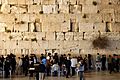
The Western Wall in Jerusalem is a remnant of the wall encircling the Second Temple. The Temple Mount is the holiest site in Judaism.
-
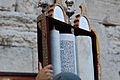
A man holds up a Sephardi-style torah at the Western Wall, Jerusalem
-
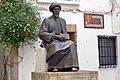
Statue of Maimonides in Córdoba, Spain
-
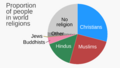
Global percentage of adherents by religion. Jews make up about 0.2% of the world's population.
-
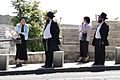
Two Haredi Jewish couples at a bus stop in Jerusalem
-
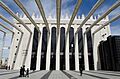
Hasids at front of Belz Great Synagogue, Jerusalem
-
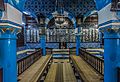
El Ghriba synagogue in Djerba, Tunisia
-
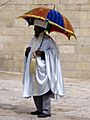
Beta Israeli Kahen at the Western Wall
-
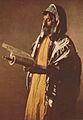
A Yemenite Jew at morning prayers, wearing a kippah skullcap, prayer shawl and tefillin
-
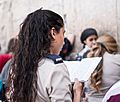
An Israeli female soldier prays at the Western Wall
-
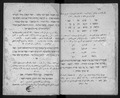
A haggadah used by the Jewish community of Cairo in Arabic
-
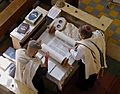
A man reads a torah using a yad
-
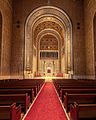
Congregation Emanu-El of New York
-
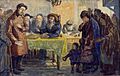
Le Get (The Divorce) by Moshe Rynecki, circa 1930
-
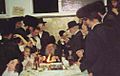
The Bereavement (Yahrtzeit) Hasidic tish, Bnei Brak, Israel
-
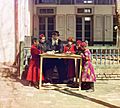
Jewish students with their teacher in Samarkand, Uzbekistan, circa 1910
-
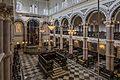
Magen David Synagogue in Kolkata, India
-
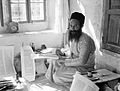
A Yemeni sofer writing a torah in the 1930s
-
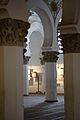
The 12th-century Synagogue of Santa María la Blanca in Toledo, Spain
-
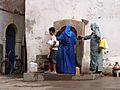
Muslim women in the mellah of Essaouira
-
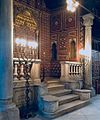
The bimah of the Ben Ezra Synagogue in Cairo, Egypt


Related Pages
See Also
 In Spanish: Judaísmo para niños
