
Fodder facts for kids

Fodder, also known as provender, is special food gathered to feed domesticated farm animals. These animals include cattle, sheep, horses, goats, pigs, chickens, and rabbits. People use the word fodder for food harvested and brought directly to livestock. In contrast, animals find forage on their own by grazing outdoors in open pastures. Fodder comes in many forms, such as dried hay, golden straw, fermented silage, and compressed crunchy pellets. It also includes crushed grains, seed oils, and sprouted green legumes. Farmers work hard every single day to provide healthy, nutritious food for their hungry herds.
Farming communities across the globe rely heavily on good fodder to raise strong, healthy animals. In 2022, global feed mills produced over 1.245 billion tonnes of balanced compound feed. That huge amount continues to grow by about two percent every single year. Farm animals need large amounts of energy, protein, fiber, vitamins, and essential minerals to thrive. Without harvested fodder, animals could easily starve during harsh winters or severe droughts. Raising livestock also connects closely with growing food crops for people worldwide. Learning about animal diets helps us understand how farms produce everyday goods like milk and wool.
Contents
Understanding animal fodder and farming

Fodder serves as the main fuel source for millions of working and food-producing animals. Just like humans, farm animals require balanced meals every single day to stay active. Different animals have very different digestive systems and need specific types of nutrition. For example, a dairy cow requires lots of fiber to digest its meals properly. Meanwhile, a chicken needs plenty of easy-to-digest seeds, grains, and ground minerals. Providing the right food keeps herds healthy and prevents dangerous farm diseases.
Farmers choose specific fodder crops depending on the local climate, soil, and seasonal weather. In warm, sunny regions, fast-growing green grasses provide steady nourishment throughout the year. In colder regions, farmers harvest extra crops during the summer to store for winter. Stored food protects farm animals when snow blankets the ground and kills wild plants. Making nutritious fodder requires careful planning, hard field work, and good scientific knowledge.
The difference between fodder and forage
Many people mix up the words fodder and forage, but they mean different things. Forage refers to wild or planted vegetation that animals search for and eat outside. When horses wander through a fenced meadow, they are naturally foraging on wild grass. Animals use their own senses to find tasty herbs, tender stems, and leaves. Foraging allows animals to move around freely, get exercise, and explore their outdoor habitats.
Fodder, on the other hand, is cut, collected, and delivered straight to the animal. A farmer might chop green maize using a combine harvester out in the field. That chopped corn is carried in a tractor wagon directly to the barn stalls. Feeding animals fodder ensures that every creature gets enough healthy food to eat. It also helps farmers monitor how much each animal eats each day.
Why animals need harvested food
Livestock animals cannot always wander outside in open pastures to find their own meals. Bad weather, such as heavy blizzards or hot droughts, ruins natural grazing pastures quickly. If too many animals graze on one small field, they eat all the roots. This damage is called overgrazing, and it can turn lush fields into dusty dirt. Bringing harvested fodder into the barn protects the valuable soil and outdoor plant roots.
Barn feeding also allows farmers to care for sick or newborn animals safely inside. Young calves and fragile lambs often stay indoors where they remain warm and dry. Farmers can give them special soft foods that are very easy to chew. Furthermore, working animals, like draft horses, burn lots of calories pulling heavy farm equipment. Concentrated fodder gives these strong animals the extra power they need to work hard.
Common plants grown for animal feed


Farmers grow a wide variety of domestic crops especially to create tasty animal fodder. Many of these plants are rich in natural sugars, proteins, and healthy plant fibers. Some crops produce delicious seeds, while others provide broad, leafy greens that animals love. By growing multiple plant species, farmers can create well-rounded diets for their livestock. Healthy soil helps these crops grow tall and packed with essential life-giving nutrients.
Legumes and clover plants
- Alfalfa, also known as lucerne, is a deep-rooted green plant packed with protein.
- Birdsfoot trefoil produces bright yellow flowers and thrives on dry, poor farm soils.
- White clover creeps along the ground and adds vital nitrogen to the farm soil.
- Red clover grows taller pink blossoms that grazing cows and sheep enjoy eating.
- Alsike clover handles cold, damp fields where other clover varieties struggle to grow.
- Subterranean clover buries its own seed pods underground to survive hot, dry summer months.
- Soybean plants produce nutritious, oil-rich beans that are ground into protein-packed farm meal.
- Horse gram is a hardy tropical bean grown widely across dry agricultural regions.
Grasses and cereal grains
- Timothy-grass is a popular tall grass that makes sweet, clean hay for horses.
- Ryegrass grows quickly in cool weather and provides tender, juicy bites for cattle.
- Bermuda grass loves hot sunshine and forms thick green mats in warm climates.
- Orchard grass grows vigorously in early spring, offering fresh green food after winter.
- Fescue grass survives tough weather conditions and stays green late into the autumn.
- Barley produces hardy grain heads that supply abundant carbohydrate energy to growing animals.
- Oat plants provide gentle, fiber-filled food that is ideal for horses and calves.
- Corn, or maize, is a tall cereal crop offering massive amounts of energy.
- Wheat stalks and kernels can both be processed into great barnyard animal feeds.
- Sorghum handles hot, dry weather exceptionally well and feeds livestock in dry climates.
- Millet is a small-seeded grass that grows fast even in poor, dry dirt.
Root vegetables and leafy brassicas
- Turnip plants produce sweet, swollen roots and leafy green tops for autumn grazing.
- Rutabaga, also called swede, provides cold-hardy underground food during chilly late-autumn months.
- Kale belongs to the cabbage family and stays green even during freezing winter temperatures.
- Rapeseed, widely known as canola, gives healthy seeds that leave behind protein meal.
- Common duckweed floats on calm ponds, growing super fast while providing protein.
- Sugar beet leftovers contain sweet scraps after factories extract table sugar for humans.
- Pollard tree shoots provide fresh green branches, historically known as nutritious tree-hay.
Different types and processing methods


Freshly cut plants can spoil quickly if they are left in damp, warm piles. Microscopic bacteria and fungi can rot the harvest, making it completely unsafe to eat. To prevent this waste, farmers use clever preservation methods invented over thousands of years. Drying plants in the sun or fermenting them preserves essential nutrients for many months. Modern processing plants also use large mechanical presses to manufacture clean, dry feed pellets.
Making and storing dry hay
Hay is made by cutting tall green grasses and legumes during dry, sunny weather. Farmers use a mowing machine to cut the stalks smoothly near the ground. Then, a machine called a tedder fluffs the cut plants so air circulates. The bright sunlight and warm breezes dry out the moisture inside the stems. Drying prevents damaging rot and stops dangerous molds from growing inside the stored crop.
Once the grass is completely dry, a baler rolls it into tight, neat packages. Farmers make giant round bales or smaller, rectangular bales tied with sturdy twine. These heavy bales are stacked carefully inside dry barns or covered with waterproof tarps. When sweet-smelling hay is made properly, it keeps its green color and nutrients. Animals happily chew this dry food all winter long when green pastures vanish.
Producing fermented silage
Silage is like pickled, fermented food made especially for hungry cows and sheep. Instead of drying the plants out, farmers keep them moist and pack them tightly. Chopped green maize, sorghum, or grasses are loaded into massive towers called silos. Farmers can also pack the chopped greens into long plastic tubes or deep pits. Big, heavy tractors roll over the piles to squeeze out every pocket of air.
Removing the air allows helpful lactic acid bacteria to begin an amazing natural process. This natural biochemical reaction is called fermentation, and it preserves the fresh green fodder. The acid prevents bad microbes from rotting the food, keeping it moist and tasty. Silage smells slightly sour, somewhat like pickles, and farm animals absolutely love eating it. It provides extra moisture and great energy during dry seasons or cold winters.
Pellets and compound feed
In feed factories, nutrition scientists create balanced food mixes called compound feed. These factories combine grains, vitamins, minerals, and plant proteins in exact, calculated amounts. The ingredients are ground into fine flour, mixed together, and treated with hot steam. Powerful machines squeeze the warm mixture through small metal holes to form solid pellets. Pelleted feed looks like tiny cylinders, often called nuts, cubes, or cattle cake.
Pellets make feeding animals very tidy, simple, and efficient for busy modern farmers. Because every pellet contains the exact same recipe, animals cannot pick out favorites. This stops bossy animals from eating only the sweet treats while ignoring the vitamins. Pellets are easy to ship in large burlap bags or bulk delivery trucks. Many pets, such as rabbits and guinea pigs, also eat specially prepared feed pellets.
Agricultural leftovers and byproducts
Farming creates lots of leftover plant materials that humans cannot eat or digest. Instead of throwing these crop residues away, smart farmers turn them into animal food. Straw is the dry, golden stalk left behind after harvesting wheat or barley grain. While straw has less nutrition than green hay, it provides belly-filling fiber. Bran is the hard outer shell removed from grains during the flour milling process.
Other industries also produce useful food byproducts that nourish farm animals every single day. When sugar companies crush sugar cane or beets, they leave behind sticky sweet molasses. Molasses is poured onto dry feed to make it taste delicious to livestock. When factories crush sunflower, cottonseed, or peanut seeds for oil, meal remains behind. Brewer's spent grain from yeast fermentation provides awesome wet food for local cattle.
How animals digest different foods
Farm animals have specialized digestive organs designed to break down tough, fibrous plant walls. Plants build their stems using a strong, woody structural material called cellulose. Human stomachs cannot digest tough cellulose, which is why we cannot survive on grass. However, many livestock species rely on unique internal helpers to unlock that trapped energy. Understanding animal digestion helps farmers choose the very best fodder for each species.
Ruminants and their special stomachs
Animals like cows, sheep, goats, and deer belong to a group called ruminants. These amazing creatures have a complex stomach divided into four separate working compartments. The largest compartment is called the rumen, which acts like a giant fermentation vat. Inside the rumen, trillions of microscopic microorganisms live in friendly symbiosis with the animal. These tiny protozoa and bacteria break down tough grass fibers and woody plant cellulose.
Ruminant animals have an unusual, fascinating way of eating their daily fodder rations. They quickly swallow grass without chewing it much and store it in the rumen. Later, when resting quietly, the animal regurgitates small balls of food called cud. They chew this cud thoroughly with their wide, flat molar teeth before swallowing again. This double-chewing process grinds the plant fibers into tiny bits for the microbes.
Non-ruminant plant eaters
Horses, donkeys, and rabbits are herbivores, but they are not ruminants at all. Instead, these animals are known to animal scientists as hindgut fermenters. They have a single simple stomach, just like humans do, to digest basic nutrients. However, they also possess a very large internal chamber called a cecum. The cecum sits near the end of their digestive tract, packed with helpful microbes.
These friendly gut microbes ferment tough plant fibers after they pass through the stomach. Because fermentation happens near the end of digestion, horses need very clean, top-quality hay. Dusty or moldy hay can give a horse a dangerous bellyache known as colic. Rabbits have another unique method called cecotrophy to absorb every bit of nutrition. They produce special soft pellets and re-ingest them to capture essential B vitamins.
Poultry and swine diets
Pigs and chickens are omnivores, meaning their bodies process both plants and other foods. They cannot survive on dry grass or fibrous hay alone like cows do. Their single stomachs require easily digestible energy sources, like cracked corn, oats, and wheat. Farmers blend these grains with protein-rich soybean meal, essential amino acids, and minerals. Chickens also need bits of hard stone grit in their gizzard to grind seeds.
Because these animals grow rapidly, their diets must be monitored with great scientific care. A laying hen needs lots of calcium in her feed to build hard eggshells. Piglets need gentle milk proteins and sweet grains to help their bodies grow strong. Compound feed manufacturers create custom recipes for every single stage of an animal's life. This careful feeding keeps farm animals happy, comfortable, energetic, and completely healthy.
Healthy feeding and safety rules
Keeping animal fodder safe, clean, and nutritious is extremely important on modern farms. Spoiled, moldy, or contaminated feed can make livestock very sick within a few hours. Farmers inspect storage bins regularly to ensure that rain and wild pests stay out. Governments and agricultural scientists also create strict safety rules to protect our food supply. Good farm practices guarantee that farm animals live healthy lives in safe environments.
Preventing harmful molds and toxins
When harvested crops get wet during warm weather, dangerous mold can grow quickly. Some molds produce microscopic natural poisons called mycotoxins that contaminate the animal feed. If cattle or horses accidentally eat moldy feed, they can suffer serious organ damage. Horses are especially sensitive to mold spores, which can damage their delicate lungs. Farmers immediately discard any feed that smells foul, feels unusually hot, or looks moldy.
Poisonous weeds growing in pastures can also accidentally get mixed into harvested hay. Plants like ragwort, bracken, or hemlock contain toxic chemicals that harm farm animals. Skilled farmers walk their crop fields regularly to pull out dangerous weeds by hand. Keeping crop fields clean ensures that only safe, nourishing plants end up inside bales. Proper drying and tight plastic wrapping keep feed fresh and free from deadly spoilage.
Important rules and safety bans
In the past, some companies mixed meat and bone meal into commercial livestock feeds. This dangerous practice accidentally spread a very serious brain sickness called bovine spongiform encephalopathy. Scientists discovered that tiny, misfolded proteins called prions caused this terrible farm illness. To protect animals and humans, governments worldwide strictly banned animal-based proteins in ruminant feed. Today, cattle and sheep eat purely vegetarian diets made of wholesome plants and minerals.
Veterinarians and government health agencies also oversee any medicine added to commercial feed. In the United States, the FDA uses the Veterinary Feed Directive to supervise feeds. Farmers cannot simply add medications to animal food without permission from a licensed animal doctor. These strict safety rules ensure that farm animals receive medicine only when truly sick. Careful oversight protects animal welfare and keeps the global human food supply safe.
Modern farming challenges and innovations


The global agricultural industry faces major challenges from changing weather patterns and land use. Extended droughts make it very difficult for grass to grow in dry rangelands. Additionally, people debate whether good farmland should grow human food or livestock animal feed. In response, creative farmers and clever scientists are inventing exciting new ways to feed livestock. These modern innovations save water, protect native forests, and reduce environmental pollution.
Drought solutions and bush-feed
In arid parts of the world, like Namibia in southern Africa, rain is very rare. Long dry spells dry up green pastures, leaving livestock with very little natural grass. However, hardy, woody shrubs called encroacher bush often spread across these dry rangelands. While cows cannot chew tough woody branches directly, clever farmers found a great solution. They use powerful milling machines to grind whole thorny bushes into soft, woody fiber.
Farmers then mix this ground bush fiber with sweet molasses, minerals, and citrus pulp. The sweet supplements make the bush-feed taste delicious while providing energy and vital nutrients. This innovative emergency feed keeps cattle alive and well during the most brutal droughts. Furthermore, clearing encroacher bushes allows native grasses to grow back when rain finally falls. This practice turns an annoying, prickly weed into a life-saving agricultural resource.
High-tech hydroponic sprouted fodder
Another exciting, high-tech method involves growing fresh green feed without using any soil. This indoor farming technique is called hydroponics, where plants grow purely in water. Farmers place clean barley or oat seeds in flat plastic trays inside temperature-controlled rooms. Automated sprayers give the seeds gentle showers of fresh water and bright LED light. Within just six or seven days, the tiny hard seeds sprout into lush green grass.
When the sprouted green grass reaches 150 millimeters tall, it forms a thick mat. The entire grass mat, including its tender white roots, is fed directly to animals. Sprouting unlocks hidden enzymes, vitamins, and proteins trapped inside the dormant grain seeds. This indoor method uses up to ninety percent less water than growing outdoor crops. Sprouted hydroponic systems allow farmers to produce fresh, sweet green food every single day.
Sustainable feeds for tomorrow
Scientists are also exploring unusual, eco-friendly ingredients to make animal fodder more sustainable. One amazing breakthrough involves feeding cattle small amounts of special red seaweed. A marine algae named Asparagopsis taxiformis significantly alters chemical reactions inside the cow's rumen. Adding a tiny sprinkle of this dried seaweed reduces animal methane burps dramatically. Methane is a potent greenhouse gas, so this discovery helps protect the earth's climate.
Researchers are also raising insects as feed, such as high-protein black soldier fly larvae. These helpful insects eat clean leftover food waste and turn it into rich protein. Once dried and ground, insect meal provides fantastic, natural nutrition for hungry chickens and farmed fish. Other laboratories are even producing single cell protein using tiny microbes and clean electricity. These exciting, futuristic ideas help farmers grow nutritious food while protecting our precious planet.
Images for kids
-
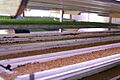
A fodder factory set up by an individual farmer to produce customised cattle feed
-
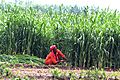
Manual cutting of green fodder, Punjab
-
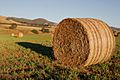
Round hay bales sitting in an open farm field
-
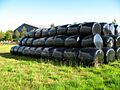
Stack of bales, sweet-smelling fodder stored for winter
-

Cut green fodder being transported to cattle in Tanzania
-
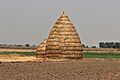
Traditional store of hay, Punjab
-
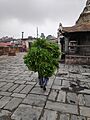
Cut green fodder being transported to cattle in Nepal
-
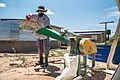
Milling shrubs for low-cost fodder, Namibia
-
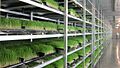
On-site grain sprouting system producing fresh fodder indoors
Related pages
- Agriculture
- Animal husbandry
- Barn
- Crop rotation
- Domesticated animal
- Harvest
- Hydroponics
- Livestock
- Pasture
- Ruminant
- Silo
