
Group 14 element facts for kids
The Group 14 elements are a special family of elements found on the periodic table. They are also known as the carbon group because carbon is the first element in this group. You might also hear them called the Group IV elements. This group includes carbon (C), silicon (Si), germanium (Ge), tin (Sn), lead (Pb), and flerovium (Fl).
All elements in Group 14 share a common feature: they each have four valence electrons. These are the electrons in their outermost shell, which are important for how elements connect with others.
-
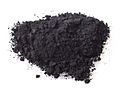
Carbon
-
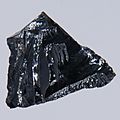
Silicon
-
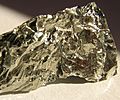
Germanium
-
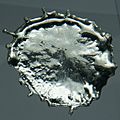
Tin
-
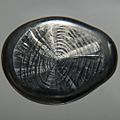
Lead


Contents
What Are Group 14 Elements?
The Group 14 elements are a column of elements on the periodic table. They are found in the 14th column, which is why they are called "Group 14." This group includes some very common elements that you use every day.
Meet the Elements
The elements in this group are:
- Carbon (C): This is a nonmetal. It's super important for all living things. Carbon can form many different kinds of compounds.
- Silicon (Si): This is a semimetal. It's used a lot in computers and electronics. Sand is mostly made of silicon dioxide.
- Germanium (Ge): This is also a semimetal. It's used in some electronic devices and fiber optics.
- Tin (Sn): This is a poor metal. It's used to coat steel cans to prevent rust.
- Lead (Pb): This is another poor metal. It was once used in pipes and paints. Now, its use is limited because it can be harmful.
- Flerovium (Fl): This is a radioactive element. It is made in labs and doesn't last long. Scientists are still studying its properties.
How They Behave
All Group 14 elements have four valence electrons. These electrons help them form chemical bonds. They often share these electrons with other elements.
Different Types of Elements
The elements in Group 14 show a range of properties:
- Carbon is the only one that can form anions. Anions are atoms that have gained electrons and have a negative charge.
- Silicon and germanium are known as semimetals. This means they have properties between metals and nonmetals. They can conduct electricity, but not as well as true metals. This makes them useful in electronics.
- Tin and lead are called poor metals. They are not as strong or shiny as other metals. They are softer and have lower melting points.
Oxidation States
All Group 14 elements can form compounds where they have a +4 oxidation state. This means they can share or lose four electrons when bonding. Tin and lead can also form compounds with a +2 oxidation state. This means they can share or lose two electrons.
| Group | 1 | 2 | 3 | 4 | 5 | 6 | 7 | 8 | 9 | 10 | 11 | 12 | 13 | 14 | 15 | 16 | 17 | 18 | |
|---|---|---|---|---|---|---|---|---|---|---|---|---|---|---|---|---|---|---|---|
| Hydrogen & alkali metals |
Alkaline earth metals | Triels | Tetrels | Pnictogens | Chalcogens | Halogens | Noble gases |
||||||||||||
| Period |
|||||||||||||||||||
| 2 | |||||||||||||||||||
| 3 | |||||||||||||||||||
| 4 | |||||||||||||||||||
| 5 | |||||||||||||||||||
| 6 |  |
||||||||||||||||||
| 7 |  |
||||||||||||||||||
|
|||||||||||||||||||
|
|||||||||||||||||||
Primordial From decay Synthetic Border shows natural occurrence of the element
- Ca: 40.078 — Abridged value (uncertainty omitted here)
- Po: [209] — mass number of the most stable isotope
See also
 In Spanish: Carbonoideos para niños
